Potato Storage in Bags vs Boxes: What Changes for Indian Operators?
Expert perspective: Alexander Samsonov, Agricultural Storage Engineer. Read the original LinkedIn perspective.
Bags and boxes are not simply two packages for the same cold room. They change airflow, handling, traceability, chamber utilisation, labour and the markets an operator can serve.
This comparison develops a commercial question raised by Alexander Samsonov: when does a unitised box system create enough additional control to justify the investment?

Bag Storage: Familiar and Flexible
Bag systems work with established Indian handling practices and allow many small lots to enter a multi-user cold store. They can be loaded without a dedicated box fleet and are familiar to farmers, traders and labour teams.
The engineering challenge is that bags are rarely stacked with identical porosity and geometry. Compression, blocked passages, mixed bag types and irregular stacks can create uneven air circulation. Repeated lifting and restacking also increases labour and damage risk.
Box Storage: Unitised Product and Repeatable Air Paths
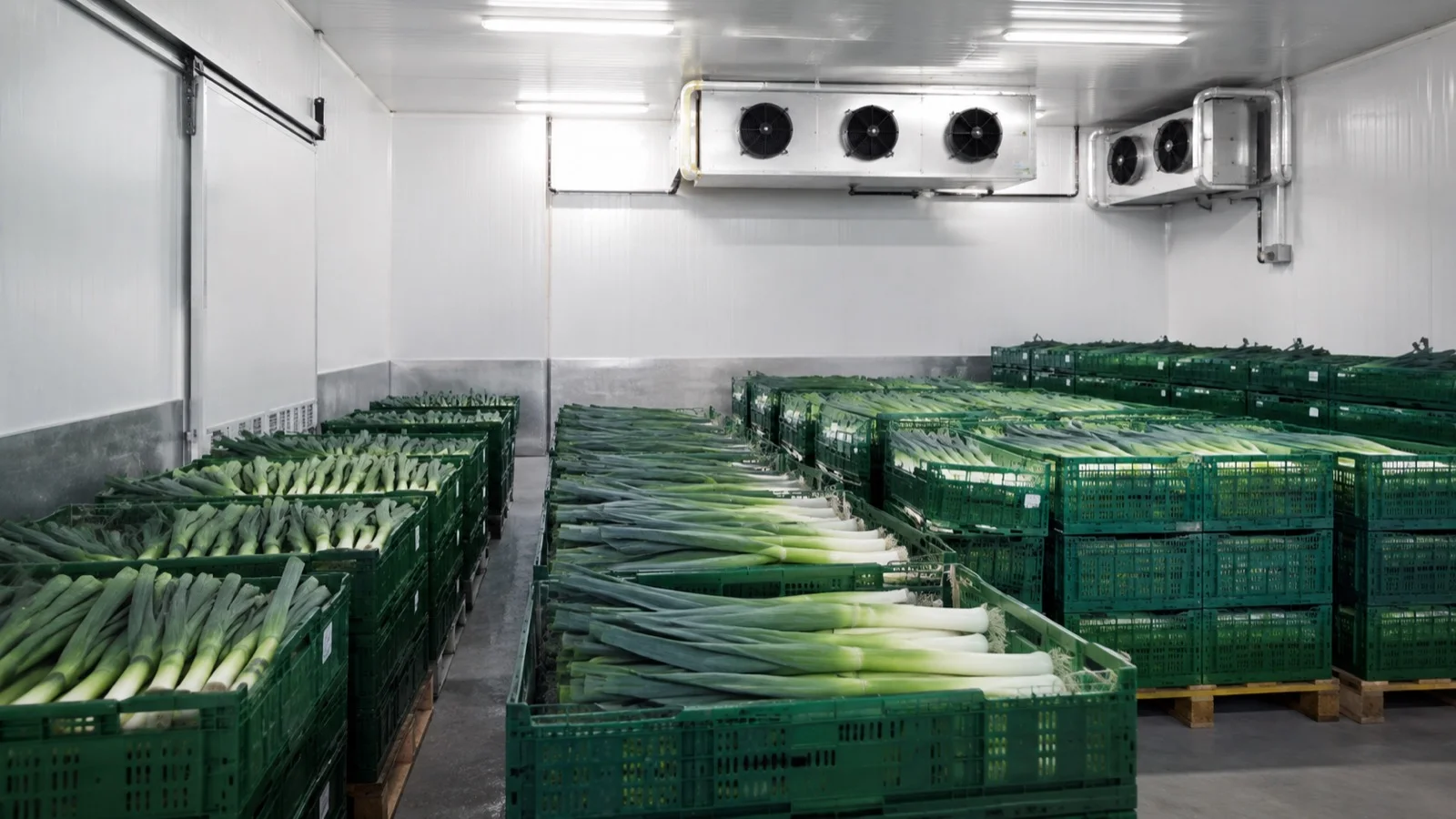
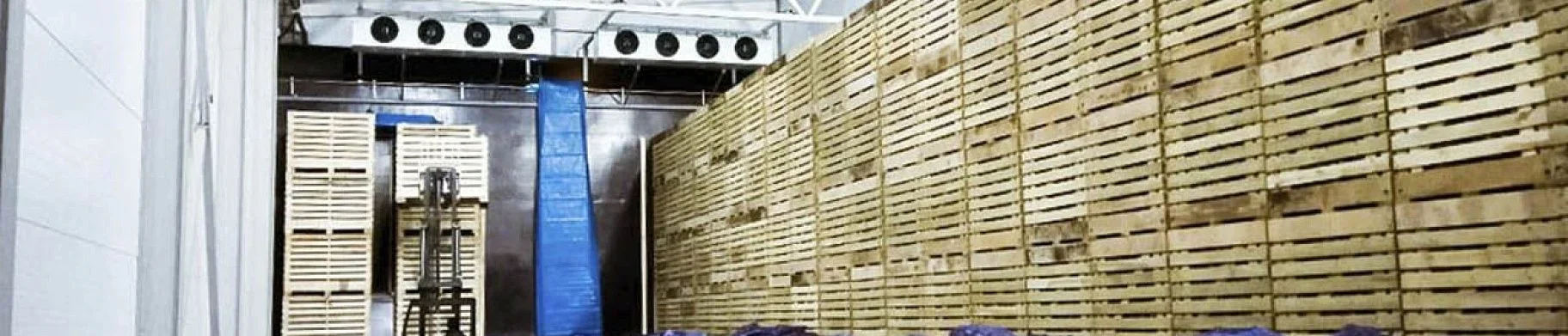
Rigid ventilated boxes protect the tubers from some compression and allow forklift handling, lot separation and repeatable stacking patterns. When boxes and chamber layout are designed together, operators can create defined air paths and remove selected batches without dismantling the whole room.
Boxes also introduce capital, cleaning, repair, return logistics and floor-loading requirements. A box is valuable only when the complete system uses its handling and traceability advantages.
Side-by-Side Operational Comparison
| Decision factor | Bags | Boxes |
|---|---|---|
| Initial packaging investment | Lower | Higher, plus forklift and box fleet |
| Air-path repeatability | Highly dependent on stack practice | More repeatable when vents and spacing are engineered |
| Batch access | May require restacking | Selected units can be moved |
| Compression protection | Depends on stack height and bag position | Load is carried by the box structure |
| Traceability | Possible, but operationally demanding | Natural unit for batch identification |
| Cleaning and return logistics | Packaging workflow varies | Boxes require washing, inspection and return |
The Buyer Determines the Right System
A commodity trader serving frequent small dispatches may value the flexibility of bags. A processor, seed supplier or quality-led retail programme may value traceable lots, controlled handling and predictable unloading. The correct comparison is therefore not “which package is modern?” but “which system protects the target margin?”
Questions for a Feasibility Study
- How many varieties, suppliers and quality classes enter each chamber?
- Is selective unloading required, and how often?
- What floor loading, clear height and forklift aisle geometry are available?
- Can the ventilation system deliver air through the chosen stack pattern?
- Who owns, cleans, repairs and returns the boxes?
- Does the buyer pay for traceability, speed or reduced damage?
Changing from bags to boxes without redesigning chamber airflow and logistics changes the package, not the storage system.
Read Agrovent's guides to container storage and bulk versus container technologies. Send your capacity, current bag layout and target buyer to Agrovent India for an engineering comparison.
Sources and Further Reading



More articles
 Refrigeration equipment for vegetables storage
Learn how proper cooling and microclimate systems reduce vegetable storage losses by up to 60%. Explore Agrovent compressor stations, heat exchangers & Dragon-M units.
News
Refrigeration equipment for vegetables storage
Learn how proper cooling and microclimate systems reduce vegetable storage losses by up to 60%. Explore Agrovent compressor stations, heat exchangers & Dragon-M units.
News
 Breathing and suffocating of sugar beet root crops during storage
Beet respiration intensity factors. Measures to prevent suffocation of root crops
News
Breathing and suffocating of sugar beet root crops during storage
Beet respiration intensity factors. Measures to prevent suffocation of root crops
News
 Post-harvest processing and cooling of berries
How to extend the shelf life of a berry crop?
News
Post-harvest processing and cooling of berries
How to extend the shelf life of a berry crop?
News
 Oh, a wonderful new world: how not to 'become obsolete' in the trends of the future
How climate change, population growth, automation, and digital technologies transform agriculture. Key future professions, essential skills, and why sustainable farming matters
News
Oh, a wonderful new world: how not to 'become obsolete' in the trends of the future
How climate change, population growth, automation, and digital technologies transform agriculture. Key future professions, essential skills, and why sustainable farming matters
News
 Your own turkey breeding business for meat
Microclimate
Your own turkey breeding business for meat
Microclimate
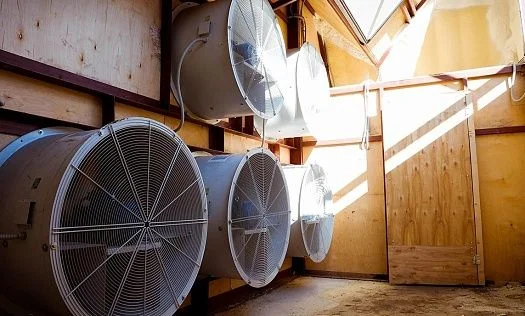 How to Select Fans for Potato Storage: Airflow, Static Pressure and Uniformity
A practical guide to selecting potato storage fans from the system curve, crop resistance, duct layout, operating modes, energy use and airflow uniformity.
How to Select Fans for Potato Storage: Airflow, Static Pressure and Uniformity
A practical guide to selecting potato storage fans from the system curve, crop resistance, duct layout, operating modes, energy use and airflow uniformity.

Leave your contacts and we will get back to you