Breathing and suffocating of sugar beet root crops during storage

Improving the safety of agricultural products and improving their use is becoming increasingly important. It is not enough just to grow a good harvest, you need to sell it without a trace, bring the final product to the consumer. For this, the grown products are carefully collected, subjected to the necessary primary processing, carefully transported and stored in proper conditions.
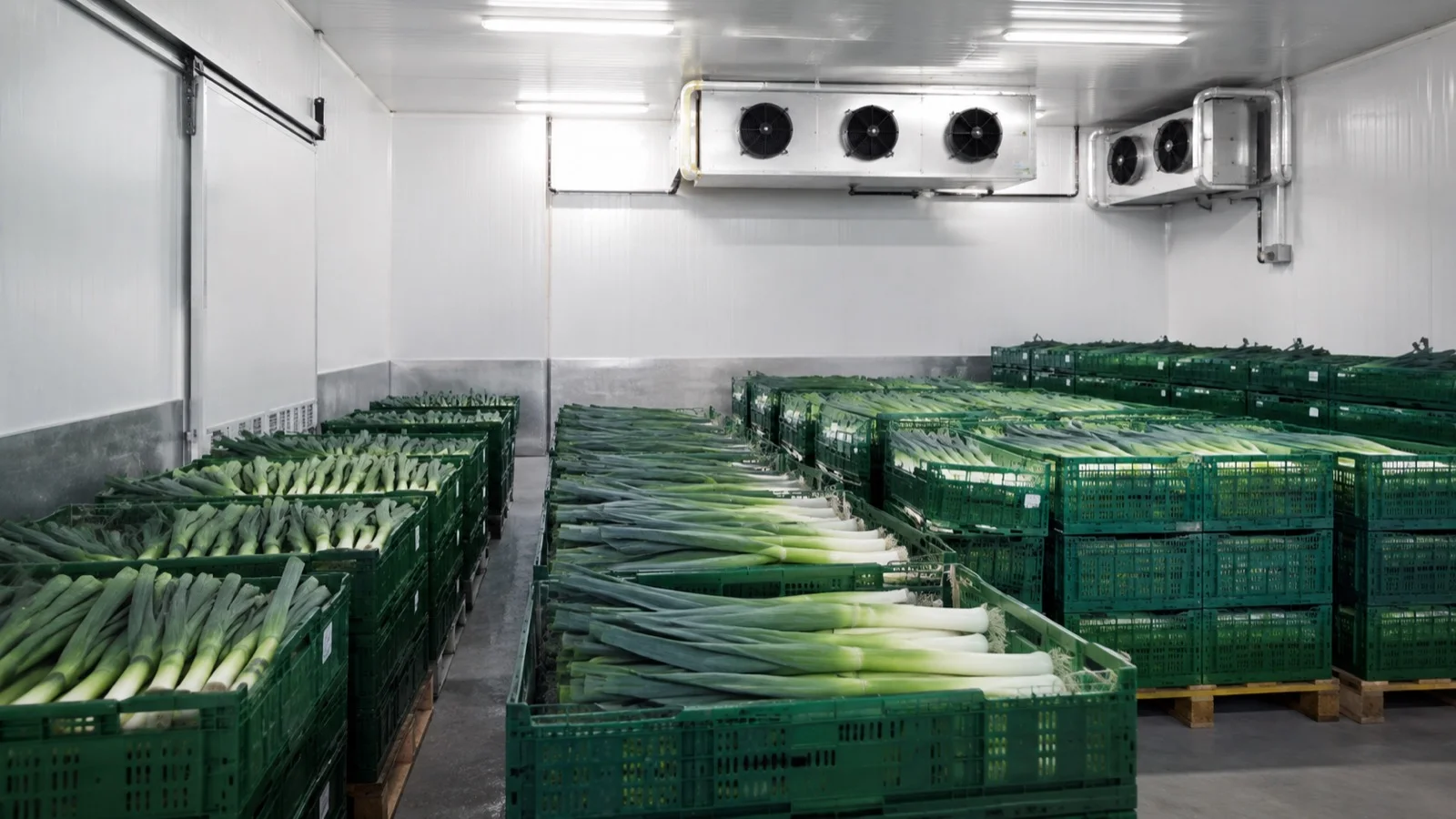
Beets are root crops that require special storage conditions. If they are not followed, then the risk of spoilage of vegetables increases due to diseases, mold or drying out. You can read about the methods and conditions for storing beets in a vegetable store here, and this article will touch upon the subject of sugar beet respiration and how it affects the duration of storage.
Respiration of vegetables and fruits is the main physiological process that has a significant impact on the shelf life of fruits. In the process of breathing, complex organic substances undergo a process of decay into simpler ones, as a result of which energy is released. It is spent on synthesis, evaporation, growth and maintenance of the required attractive appearance of the fruit.
When storing beets, the most important is not the type or nature of respiration, but its intensity. The higher it is, the more tangible the losses and the more difficult it is to protect the beets from spoilage. Therefore, many studies have been devoted to the study of the factors affecting the respiration rate of beets during storage.
When breathing beets, carbohydrates and sucrose break down, and the more intense the respiration, the more sugar and other nutrients are lost. The higher the temperature, the more actively root crops breathe, and at temperatures above 40 ° C, respiration, on the contrary, slows down, and the cells gradually die off. As the temperature rises, sugar breaks down.
Several factors affect the intensity of respiration: temperature fluctuations, mechanical damage to the fetus, diseases, increased oxygen content (above 21%), season. In addition, underripe, small vegetables and sugary varieties also breathe more intensively.
With the onset of spring, it is necessary to increase the supply of oxygen to the stored beets, otherwise breathing slows down and even the death of vegetables. If there is not enough oxygen or not at all, breathing becomes anaerobic, toxic substances are formed (for example, alcohol or CO2). Anaerobic respiration can also occur as a result of poor water impermeability of the soil, the formation of ice / ice crust on the cliffs, or their flooding. The result will be asphyxiation of vegetables due to poisoning with decay products and their death.
In addition, experimental experiments with placing root crops in water for several days led to interesting results: the better the storage conditions for beets before flooding, the less damage it will cause.
To summarize: the respiration rate of beet root crops is interrelated with numerous factors: High breathing intensity must be prevented by certain storage conditions and a set of measures in the previous period.
The Agrovent company designs vegetable stores and microclimate systems for the agro-industrial sector. Looking to build a vegetable store? Or are you looking for equipment for long-term storage of beets? Our experts will answer all your questions. Call +971504377119 or write info@agrovent.com .



More articles
 The Rise of Urban Farming: How Rooftops Are Becoming the World’s New Agricultural Frontier
Around the world, cities are running out of space - but not out of ideas. Urban farming is turning rooftops, abandoned industrial zones, and unused land into high-yield food production hubs. Here’s how the world’s largest rooftop farm in Paris is redefining agriculture in dense urban environments.
News
The Rise of Urban Farming: How Rooftops Are Becoming the World’s New Agricultural Frontier
Around the world, cities are running out of space - but not out of ideas. Urban farming is turning rooftops, abandoned industrial zones, and unused land into high-yield food production hubs. Here’s how the world’s largest rooftop farm in Paris is redefining agriculture in dense urban environments.
News
 Things to keep in mind when building a vegetable storage
Learn the essential factors to consider when planning a vegetable storage facility: technology choice, layout, location, regulations and budgeting. Ideal for projects in India, Africa and Saudi Arabia. Contact Agrovent for expert storage design and engineering
Harvest
Things to keep in mind when building a vegetable storage
Learn the essential factors to consider when planning a vegetable storage facility: technology choice, layout, location, regulations and budgeting. Ideal for projects in India, Africa and Saudi Arabia. Contact Agrovent for expert storage design and engineering
Harvest
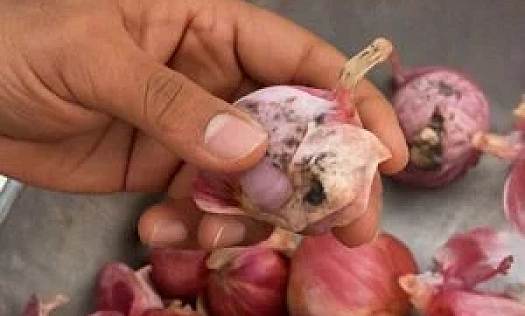 Detecting Onion Storage Hot Spots: Temperature, Humidity, VOCs and Inspection
How temperature and humidity trends, odour and VOC sensors, airflow checks and visual inspection can help detect onion spoilage zones before losses spread.
News
Detecting Onion Storage Hot Spots: Temperature, Humidity, VOCs and Inspection
How temperature and humidity trends, odour and VOC sensors, airflow checks and visual inspection can help detect onion spoilage zones before losses spread.
News
 Agrovent opening a front office in the Republic of Kazakhstan
Explore new opportunities with our presence in Kokshetau, Kazakhstan.
Microclimate
Agrovent opening a front office in the Republic of Kazakhstan
Explore new opportunities with our presence in Kokshetau, Kazakhstan.
Microclimate
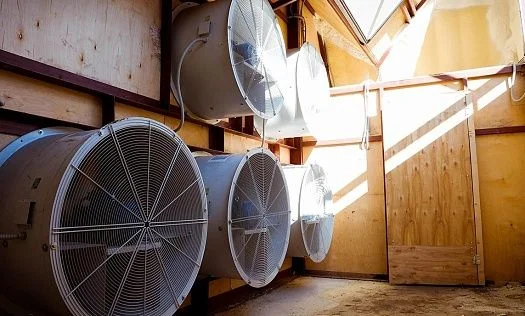 How to Select Fans for Potato Storage: Airflow, Static Pressure and Uniformity
A practical guide to selecting potato storage fans from the system curve, crop resistance, duct layout, operating modes, energy use and airflow uniformity.
News
How to Select Fans for Potato Storage: Airflow, Static Pressure and Uniformity
A practical guide to selecting potato storage fans from the system curve, crop resistance, duct layout, operating modes, energy use and airflow uniformity.
News
 Why do food systems need innovation in intensive refrigeration?
How is food stored in developing countries?
Why do food systems need innovation in intensive refrigeration?
How is food stored in developing countries?

Leave your contacts and we will get back to you