

 Turnkey solution
 Storage
 Audit
Audit
 Strategy
Storage Design Considerations
When planning a vegetable storage facility, consider these critical factors early. Overlooking them can lead to increased losses or costly retrofits later.- Crop Type & Storage Duration - the produce variety and how long you plan to store it dictate your system design.
- Size & Layout - storage dimensions and arrangement affect airflow, efficiency, and costs.
- Location & Logistics - proximity to fields or distribution networks reduces transit losses and costs.
- Regulatory Requirements - for example, storages under 1,500 m² may avoid formal expert review, while subsidized projects often demand compliance with additional conditions.
- Budget & Lifecycle Costs - staffing, power, expansion plans, and operating expenses must all be considered.
Storage Technologies & Methods
We select the appropriate storage method based on your needs:-
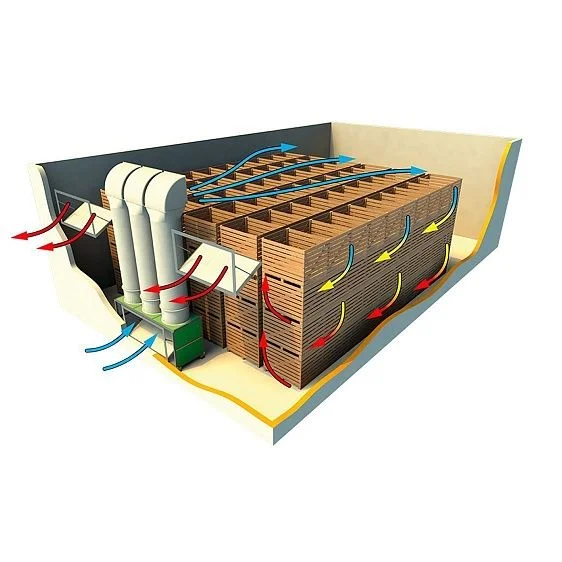
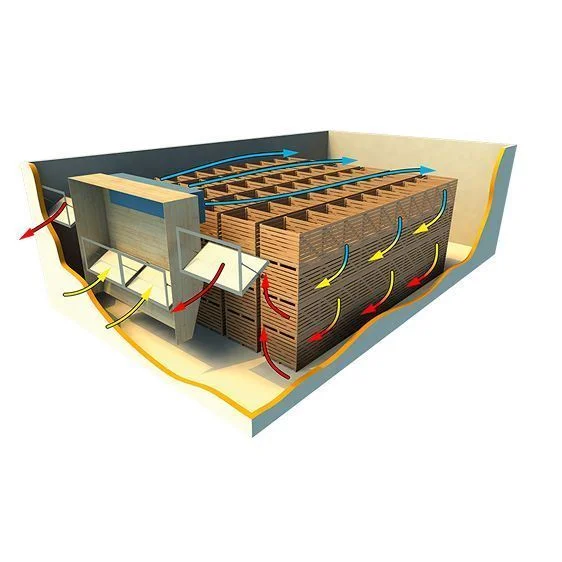
Aspiration Systems - air is drawn through stack openings to regulate temperature and humidity. Ideal for root crops like potatoes, beets, onions, and garlic.
-
Slotted-Wall Storage - air enters through wall slots behind stacked crates, supported by airflow control chambers.
-
Pressure Systems - uses fans and pneumatic sleeves to pressurize and force air through produce stacks, promoting uniform ventilation.
-
EveryAir Systems - advanced pressure ventilation with CO₂ exchange, full climate control, and automatic regulation.
-
Dragon-M Modules - modular container systems that can be quickly assembled for smaller-scale or field-based storage.
-
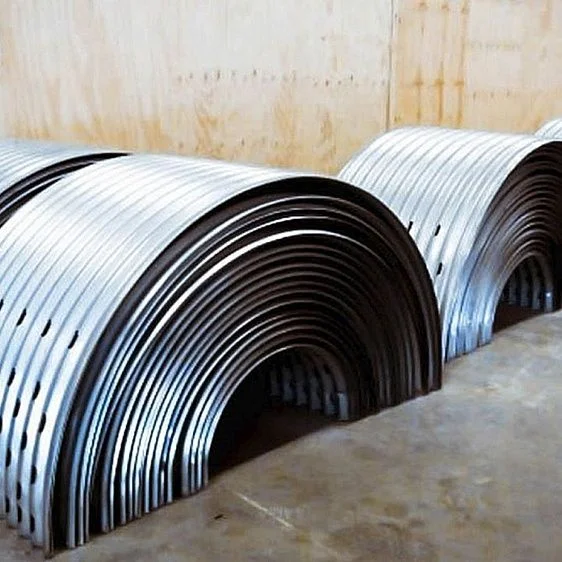
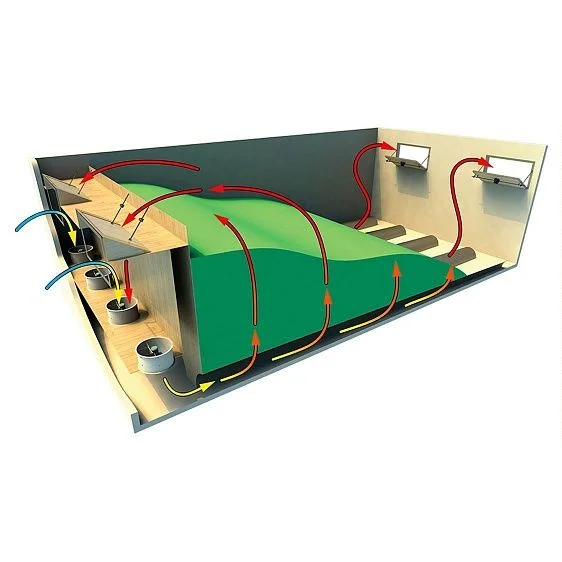
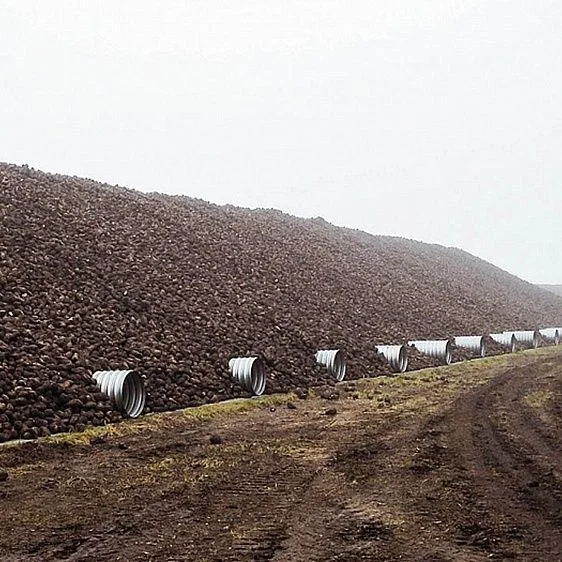
Underfloor Ducts & Bulk Storage - airflow through floor ducts in bulk piles; suitable for crops like potatoes, onions, and beets.
Each method combines ventilation, cooling, heating, and humidity control, regulated by smart automation systems to maintain ideal conditions.
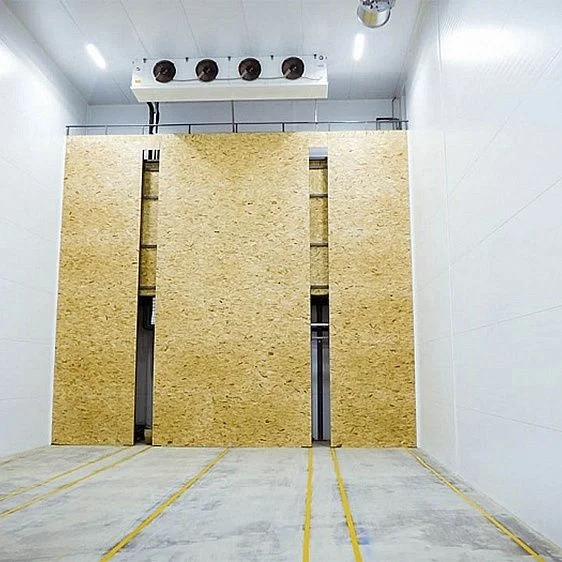
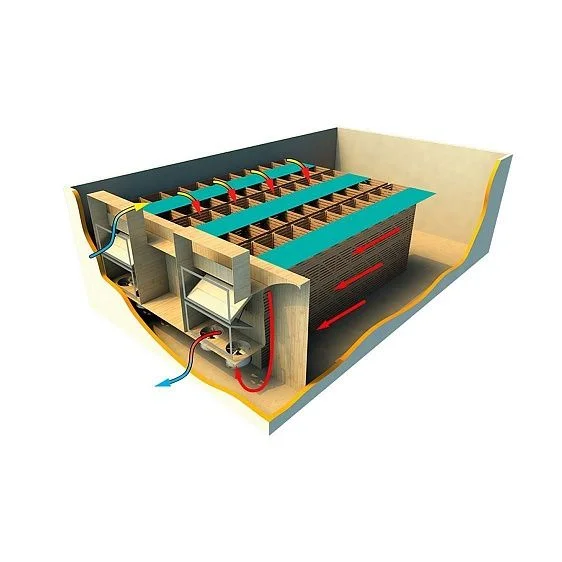
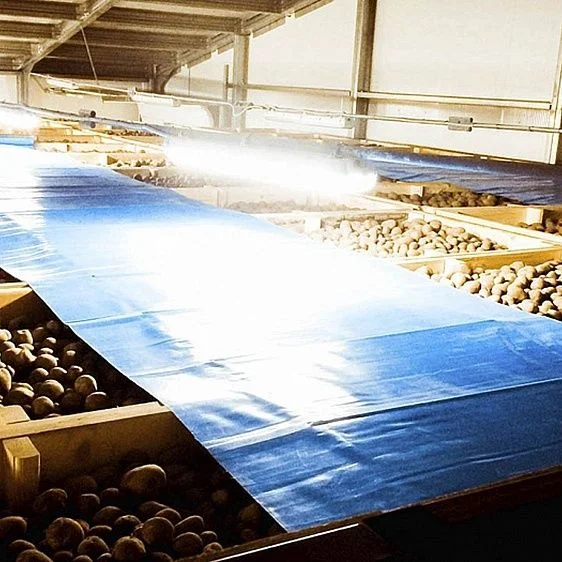
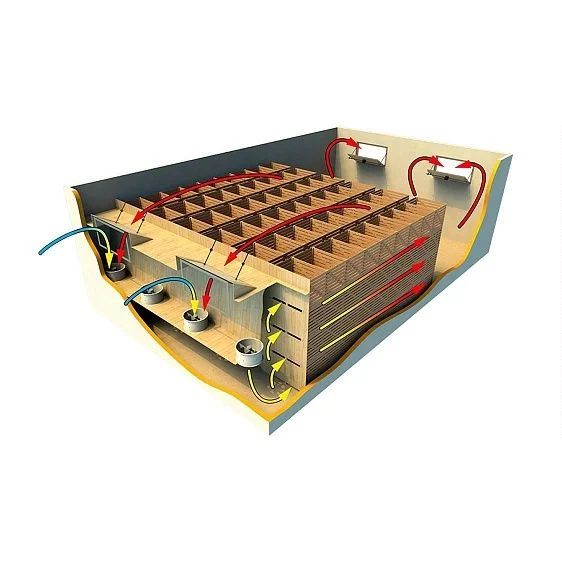
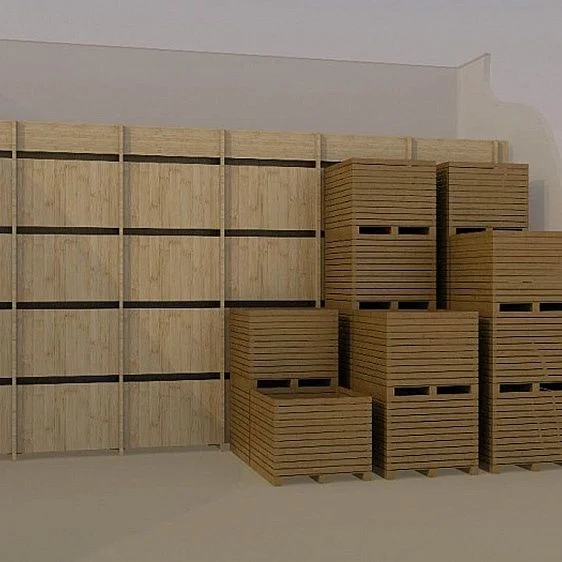
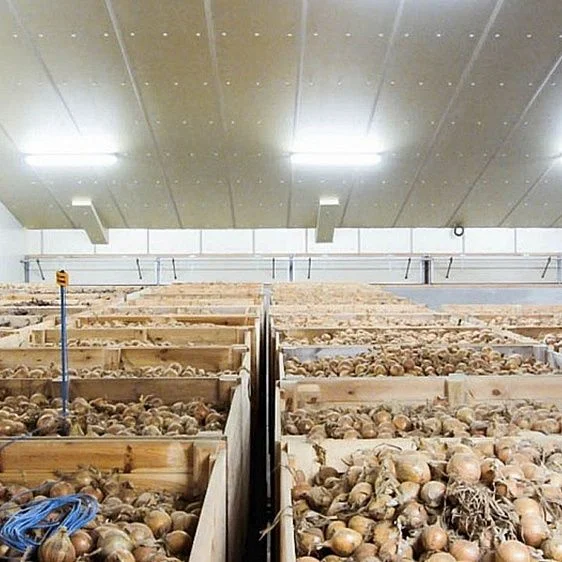
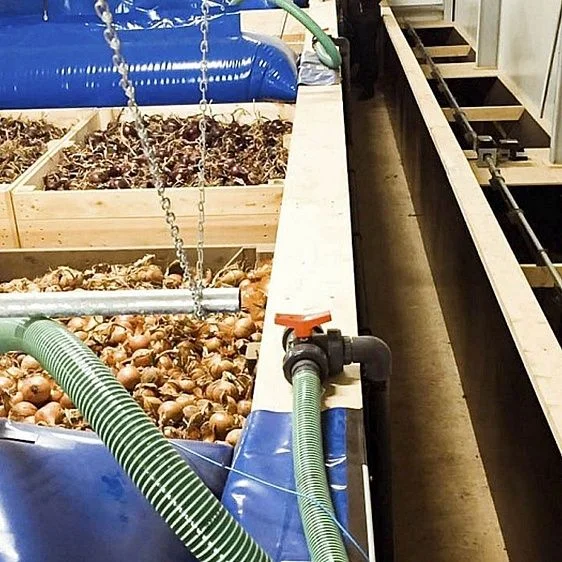
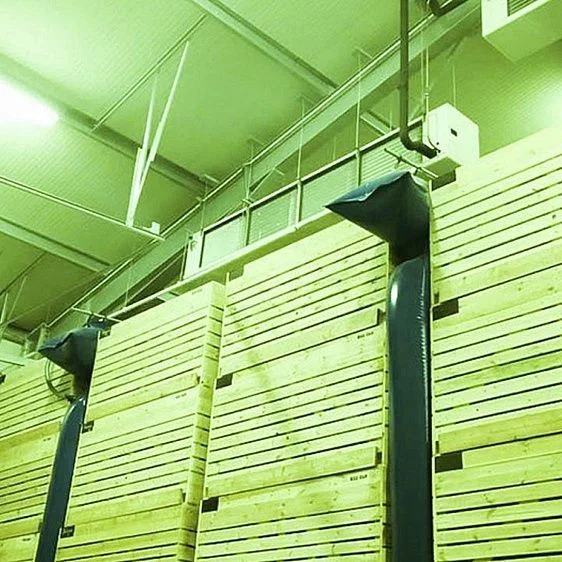
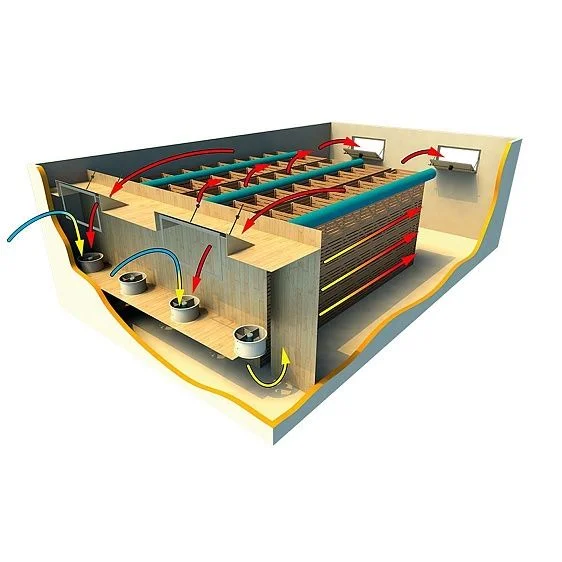
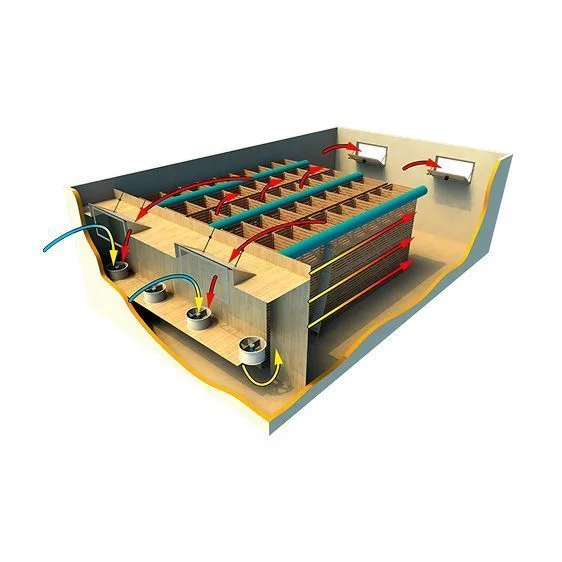
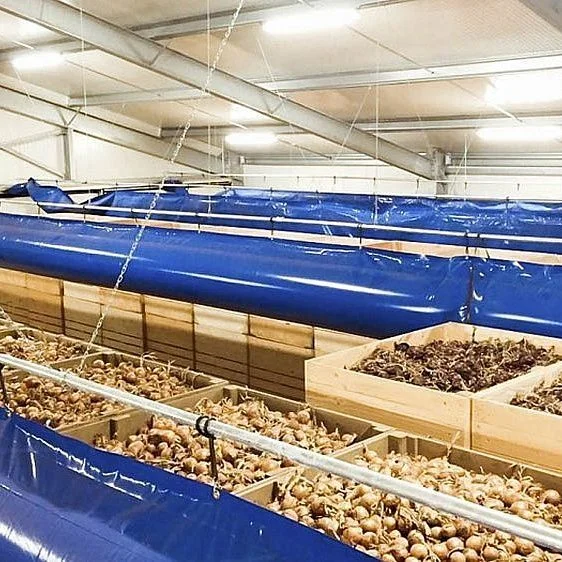
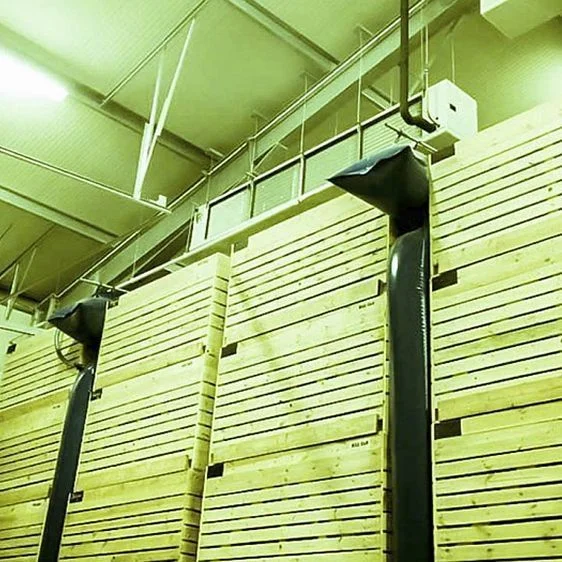
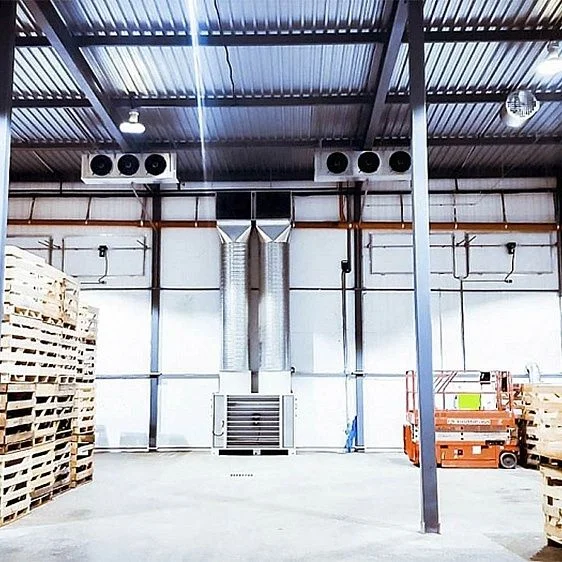
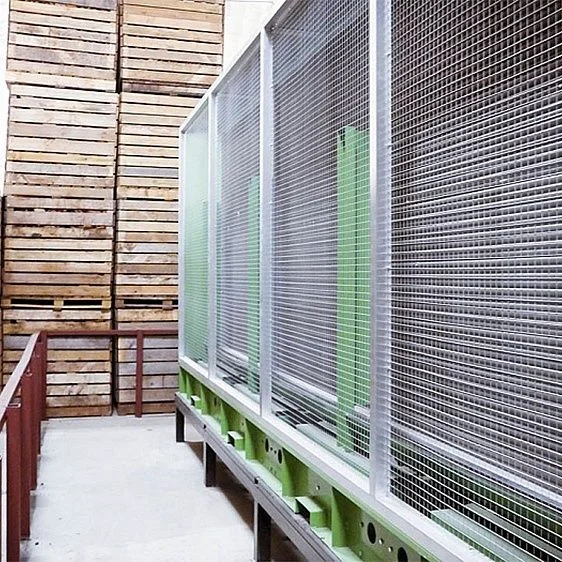
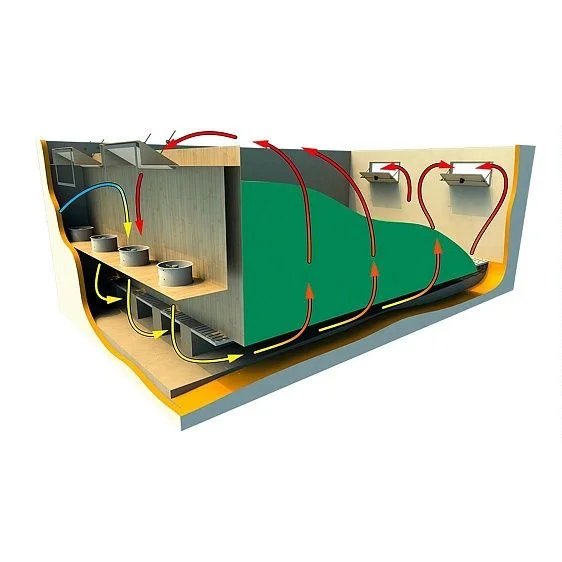
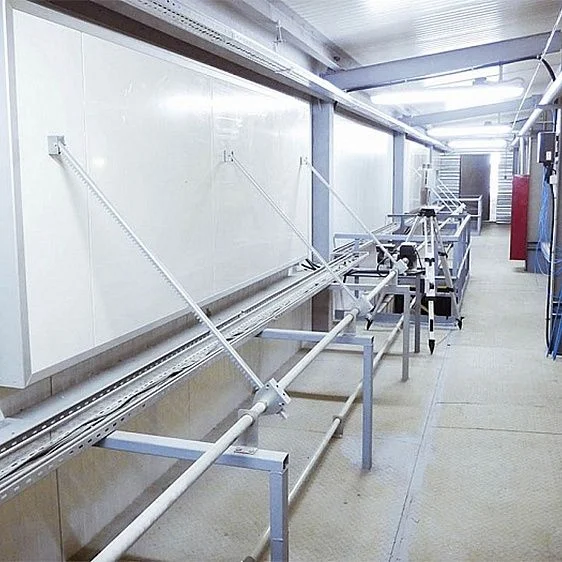
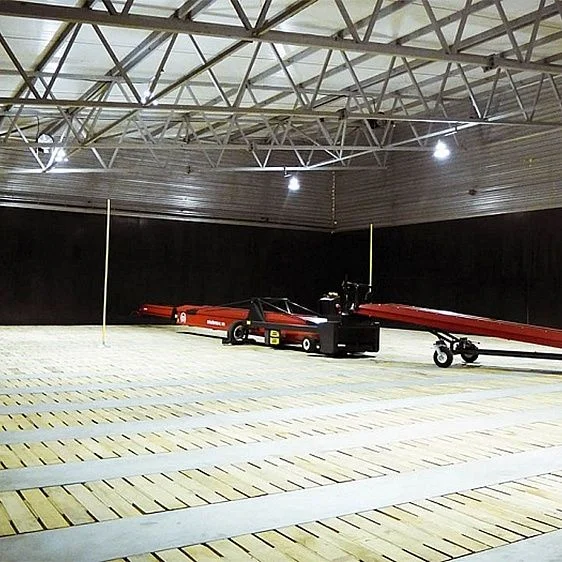
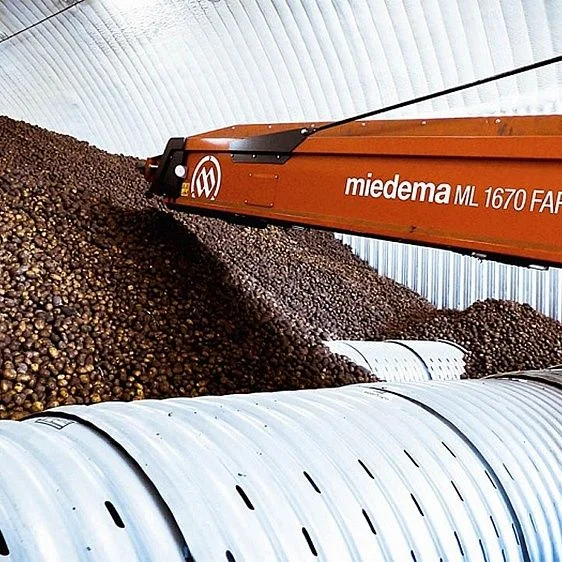
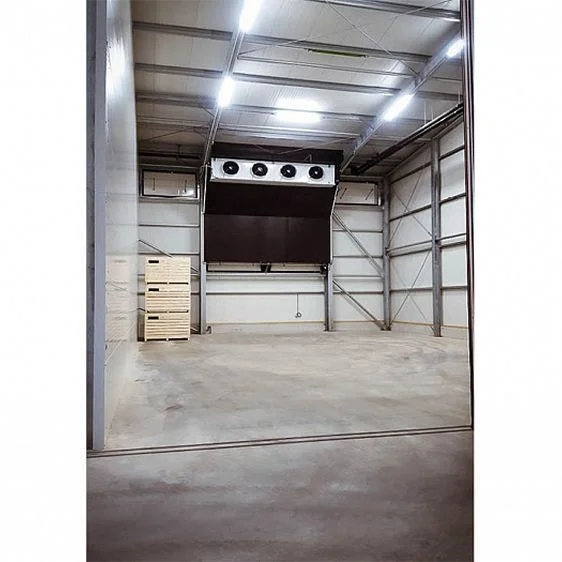
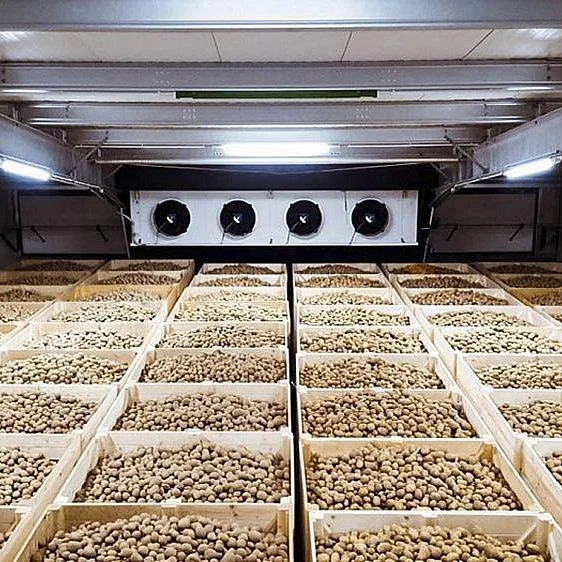
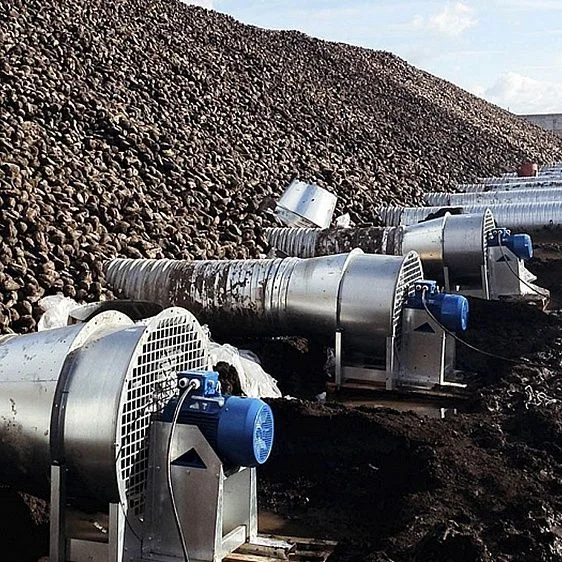
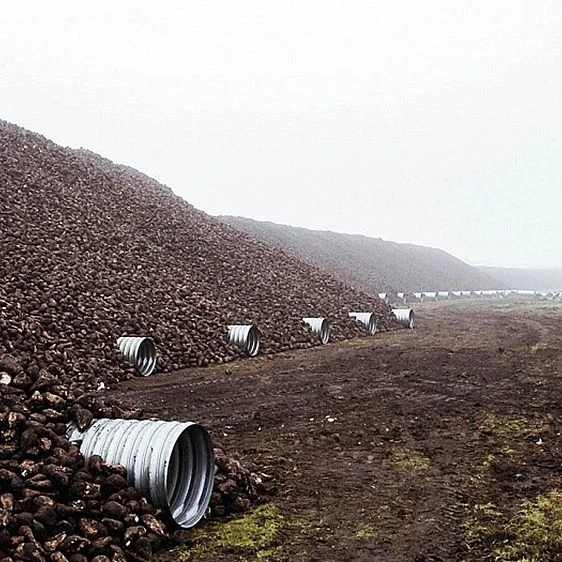
 Seed Potato Storage Facility with Aspiration-Based Microclimate and Bitzer Refrigeration
