Your own turkey breeding business for meat

The Complete Guide to Profitable Turkey Farming for Emerging Markets
Many new poultry producers consider adding turkeys to their operations. The attraction is obvious: lower competition, higher margins, and significantly greater meat output per bird compared to chickens. A mature male turkey can reach up to 30 kg at 12–18 months. With intensive management, each hen can produce up to 200 eggs per year, and well-fed flocks may yield more than 600 kg of premium meat annually.
Turkey meat is valued globally for its excellent flavor, high digestibility, and rich profile of essential amino acids. Although turkeys are resilient birds as adults—tolerating heat, cold, and basic housing conditions—young poults are fragile, making turkey farming more demanding for beginners.
The three challenges every turkey farm must address are:
-
Disease prevention
-
Feed availability and cost
-
Sales and market development
While adult birds adapt well to varying climates, poults require strict temperature, hygiene, and feeding control. If you have limited poultry experience, starting with chickens is usually safer.
Feed selectiveness is another feature of turkey production. Although feed intake relative to body mass is moderate, the overall cost of feed becomes significant and must be factored into financial planning.
In many regions-especially India, Africa, and KSA-demand for nutritious turkey meat is rising much faster than in traditional markets, creating real opportunities for producers who are ready to build reliable supply chains and meet modern quality standards.
Choosing Your Turkey Farming Specialization
Turkey production can follow one of three main business models:
1. Selling Eggs and Day-Old Poults
To produce fertile eggs, maintain one male per 6–8 females. Hens begin laying at 6–8 months and produce up to 200 eggs per year. Both hatching eggs and poults can be sold.
This model is highly profitable because:
-
poults aged 3–6 weeks have the highest market value
-
feed consumption is still low at this stage
-
profitability can reach 50–70% for farms and up to 100% for smallholdings
If space is limited, focus on producing day-old poults from March to July, when demand peaks.
The cost of poults depends on:
-
price of hatching eggs (85–90% of total cost)
-
transportation
-
incubation results
-
electricity
-
labor
-
veterinary supplies
-
equipment depreciation
2. Raising Poultry for Meat (Fattening System)
With sufficient space and capital, farms can raise turkeys to market age. The two major expenses are:
-
purchasing day-old poults
-
feed
Market age:
-
Females: 20–22 weeks (154 days), average weight up to 14 kg
-
Males: 26 weeks (182 days), average weight up to 21 kg
At this stage, feed conversion and daily weight gain are optimal. Meat yield:
-
60–65% with full evisceration
-
up to 80% with partial evisceration
Seasonal production (spring–summer with winter sales) works particularly well for northern climates, where heating costs make year-round farming expensive.
3. Maintaining a Breeding Flock
This is the most complex and cost-intensive model, not recommended for beginners.
Requirements include:
-
strict selection of healthy males and females
-
one male per 6–8 females
-
medium-sized, well-shaped eggs for incubation
-
reliable veterinary support
Whenever possible, source eggs and poults from reputable private breeders rather than large industrial hatcheries.
Housing Requirements for Turkeys
A clean, dry, well-ventilated space is essential. In warm regions, a simple uninsulated barn is sufficient. Turkeys tolerate temperatures as low as –10 to –15°C, but comfortable housing greatly improves productivity, especially for young birds and layers.
Stocking density recommendations:
-
up to 15 poults per m² (1 month old)
-
up to 10 poults per m² (2 months old)
-
5 birds per m² (older than 2 months)
Keep adult birds separate from young stock to prevent injuries.
Key housing rules:
-
avoid contact with wild birds
-
prevent drafts (use polyethylene lining but allow ventilation)
-
provide outdoor runs with high fencing
-
change bedding regularly (hay, shavings, sunflower husk)
-
maintain strict daily cleaning, disinfection, and equipment washing
Proper ventilation is critical—preferably a system that removes stale air without drafts.
Feeding Turkeys
Turkeys are selective feeders. Their diet should include:
-
wheat grain
-
mixed grain formulas
-
boiled potatoes, carrots, beets
-
cabbage
-
wheat bran
-
dry animal feeds
-
grasses and grains (alfalfa, barley, millet, corn, oats)
-
vitamin and mineral supplements
-
cottage cheese, vegetable oil, and salt (in small amounts)
Daily feed intake:
-
Chicks: 30 g
-
Adults: up to 400 g
Water must always be fresh. For the first few days, poults receive warm boiled water with a small amount of sugar to support digestion.
Raising Poults
Turkey breeds are divided into three main categories:
-
Light: females up to 4.4 kg, males up to 9 kg
-
Medium: females up to 8 kg, males up to 16 kg
-
Heavy: females up to 14 kg, males up to 30 kg
Small farms should focus on light and medium crosses. Heavy crosses are suitable for large industrial farms.
Sourcing poults
From private farms:
-
pros: better breed quality, more selection
-
cons: limited veterinary control
From large enterprises:
-
pros: stronger immunity, consistent health
-
cons: limited breed choices
Choose only active, healthy chicks. Always isolate sick birds immediately.
Keep essential vet supplies on hand (Lugol’s solution, caustic alkali, creolin, chlorinated lime, etc.), and partner with a reliable veterinarian.
Intensive Rearing in Battery Cages
Modern farms increasingly use battery cage systems for light and medium turkey crosses from day-old to 8 weeks. Benefits include:
-
optimized labor costs
-
reduced feed consumption per kg of gain
-
improved weight gain
-
higher survival rates
-
efficient use of floor space
Each tier has mechanisms for feeding, watering, and manure removal. Nipple drinkers with drip catchers minimize waste.
Battery cages can produce up to 190 kg of live weight per m².
After 8 weeks, birds move to grow-out housing or cages for adults.
Temperature Requirements for Poults
-
Week 1 (cages): 32–35°C
-
Week 1 (indoor rooms): 28–30°C
-
Gradually reduced to 17–20°C
Warm climates (India, Africa, KSA) significantly reduce production costs because winter heating can reach 75–80% of total expenses in cold regions.
💼 Is Turkey Farming Worth It?
If you are ready to invest time, effort, and resources into high-quality production, proper feeding, disease prevention, and market development, turkey farming in India, Africa, and Saudi Arabia can deliver strong, stable, long-term profits.
Success requires:
-
strict biosecurity
-
reliable feed supply
-
effective sales channels (retail chains, wholesalers, local markets)
-
consistent veterinary support
With the right approach, turkey farming becomes a highly profitable agribusiness with strong global demand.
🔥 Ready to scale your turkey farming operation?
Ready to scale your turkey farming operation?
Get expert guidance, equipment recommendations, and region-specific strategies for India, Africa, and Saudi Arabia - ask me to create a full business plan, financial model, or marketing strategy tailored to your region.



More articles
 Why Do Potato Sprouts Sometimes Grow Inward During Storage?
Inward potato sprouting occurs from storage stress - not genetics. Stable temperature, humidity, and ventilation prevent damage and preserve quality.
News
Why Do Potato Sprouts Sometimes Grow Inward During Storage?
Inward potato sprouting occurs from storage stress - not genetics. Stable temperature, humidity, and ventilation prevent damage and preserve quality.
News
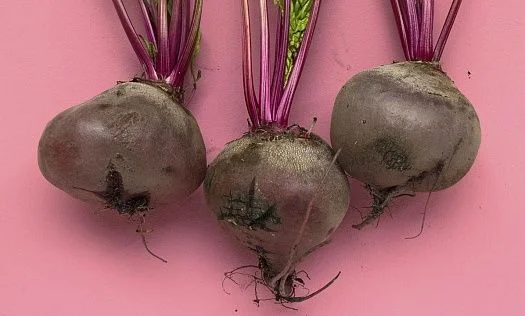 Beets. Storage parameters
Preparation of the product. The volume of goods. Storage temperature.
News
Beets. Storage parameters
Preparation of the product. The volume of goods. Storage temperature.
News
 Onion Storage Systems for Hot and Humid Climates
Engineering principles for curing, ventilation, cooling and humidity control in onion storage facilities operating in hot, humid and tropical climates.
News
Onion Storage Systems for Hot and Humid Climates
Engineering principles for curing, ventilation, cooling and humidity control in onion storage facilities operating in hot, humid and tropical climates.
News
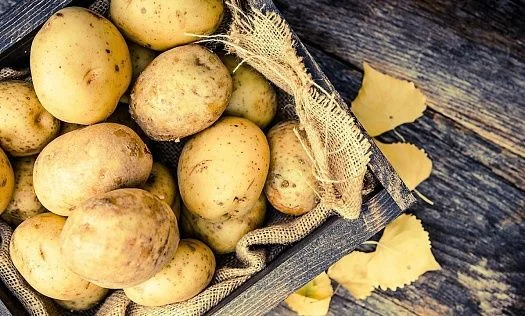 Potatoes. Storage parameters
Learn optimal potato storage conditions: temperature, humidity, CO₂ control, and bulk height. Engineered solutions for India, Africa, and Saudi Arabia.
News
Potatoes. Storage parameters
Learn optimal potato storage conditions: temperature, humidity, CO₂ control, and bulk height. Engineered solutions for India, Africa, and Saudi Arabia.
News
 Cold Storage as a Business: Rental Model for Fruit and Vegetable Storage
Cold storage isn’t just infrastructure - it’s a business. Around the world, rental cold rooms are becoming essential assets for farmers, traders, and exporters who need professional storage without the cost of building their own facilities. Here’s how the rental model works, why it’s profitable, and where it’s growing fastest.
News
Cold Storage as a Business: Rental Model for Fruit and Vegetable Storage
Cold storage isn’t just infrastructure - it’s a business. Around the world, rental cold rooms are becoming essential assets for farmers, traders, and exporters who need professional storage without the cost of building their own facilities. Here’s how the rental model works, why it’s profitable, and where it’s growing fastest.
News
 Wind machines to protect the garden from frost
How to provide good frost protection in the garden?
Wind machines to protect the garden from frost
How to provide good frost protection in the garden?

Leave your contacts and we will get back to you