Pig farms

Microclimate of pig farms

The microclimate within a pig farm is a cornerstone of productivity and overall profitability. Maintaining optimal environmental conditions directly impacts the health, growth, and reproductive success of the pigs. By optimizing temperature, humidity, and air quality, farmers can significantly improve growth rates, reduce disease incidence, enhance reproductive performance, and improve overall animal welfare, leading to a more efficient and profitable operation. Investing in proper microclimate control systems is an investment in the long-term success of the farm.

Our services

We see our vocation in creating modern agricultural facilities with a high level of productivity. The main goal of our work is to create high-quality livestock conditions, independent of the external environment, in order to fulfill the goals and objectives of your business

img: Farm audit Farm audit

We carry out a comprehensive analysis of all stages of your production, from equipment to logistics

img: Microclimate Microclimate

We carry out a comprehensive analysis of all stages of your production, from equipment to logistics

img: Service Service

We carry out a comprehensive analysis of all stages of your production, from equipment to logistics

img: Launch Launch

We carry out a comprehensive analysis of all stages of your production, from equipment to logistics

The microclimate plays a vital and multifaceted role in the productivity of a pig farm. Its careful management directly impacts the health, growth, and overall performance of the birds, ultimately influencing the farm’s profitability. Here’s why the microclimate is crucial:

Growth Rate & Feed Conversion: Temperature is a crucial factor influencing growth rate and feed conversion efficiency. Pigs have a “thermoneutral zone” – a temperature range where they expend minimal energy to maintain body temperature. Maintaining temperatures within this zone promotes optimal feed intake, efficient digestion, and rapid growth, leading to reduced time to market and lower feed costs.

Disease Prevention & Reduced Mortality: Poor ventilation and high humidity create an ideal environment for the proliferation of pathogens, increasing the risk of respiratory diseases (e.g., pneumonia), and other health problems. Proper ventilation removes ammonia, dust, and other harmful gases, reducing disease transmission and mortality rates, resulting in lower veterinary costs and increased production.

Reproductive Performance (Sows): The microclimate significantly impacts sow reproductive performance. Heat stress can reduce conception rates, increase embryonic loss, and decrease litter size. Maintaining optimal temperatures, especially during breeding and gestation, is crucial for maximizing reproductive success and ensuring consistent piglet production.

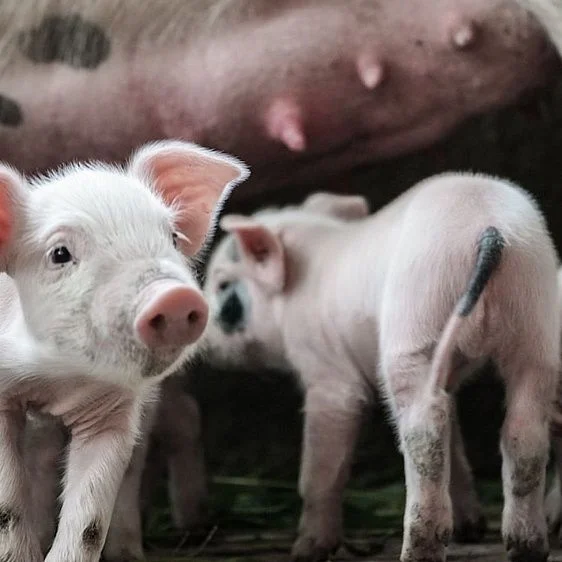
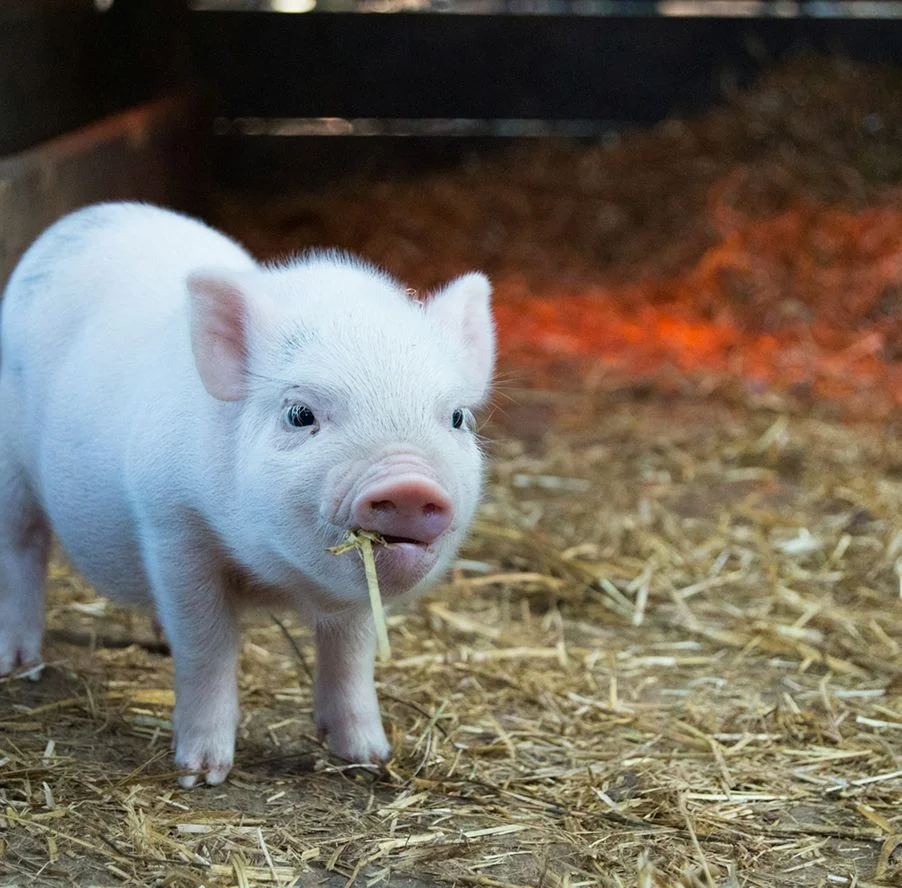
Piglet Survival & Growth: Newborn piglets are particularly vulnerable to temperature fluctuations. Maintaining a warm and dry environment in farrowing houses is essential for reducing chilling, improving survival rates, and promoting healthy growth. Supplemental heating and proper ventilation are critical for creating a suitable microclimate for young piglets.

Animal Welfare & Reduced Stress: An uncomfortable microclimate can cause significant stress to pigs. Stress negatively affects the immune system, making them more susceptible to disease. Maintaining appropriate temperature, humidity, and ventilation levels minimizes stress, improves animal welfare, and enhances overall productivity.

Reduced Aggression & Improved Behavior: Poor ventilation and overcrowding can contribute to increased aggression among pigs. Maintaining adequate space and a comfortable microclimate reduces stress and improves social behavior, minimizing injuries and losses due to fighting.
img: Pig farms

Microclimate technologies of pig farms

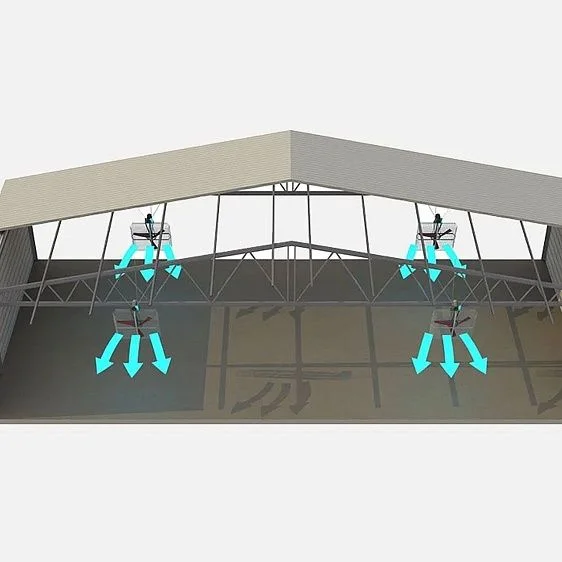
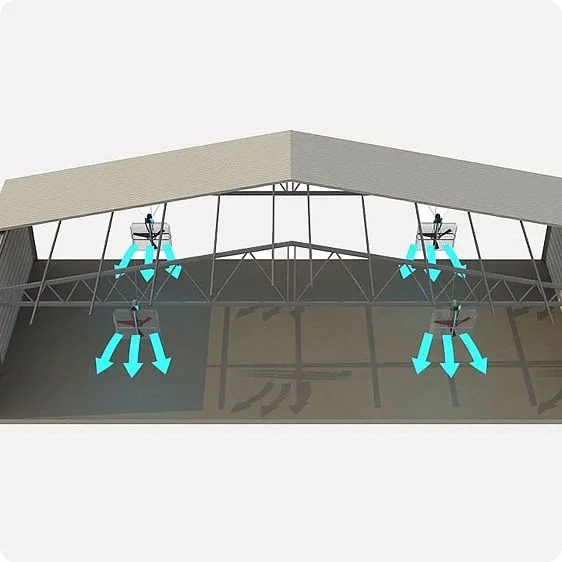
Various ventilation systems are used in pig farms to maintain an optimal microclimate. Here are the main ones:

Tunnel ventilation system

Tunnel ventilation is based on creating a directed air flow through the entire pigsty room. High-performance fans are installed in the end wall of the building, which draw in the outside air from the opposite side, creating the effect of air movement through the tunnel.

  • The main components of the system
  • Tunnel fans are installed at the end of the building
  • Intake blinds are located on the opposite side of the room.
  • Control system - controls the operation of fans and supply air devices
Ventilation system with air vents and exhaust fireplaces

The ventilation system with air vents and exhaust fireplaces operates on the basis of creating negative pressure in the room. The supply air enters through special vents in the walls. The hood is provided through fireplaces in the roof. The pressure difference creates a natural draft. Automatic control ensures that optimal parameters are maintained. This is the most typical solution for ventilation on pig farms.

  • The main components of the system
  • Supply air vents are located in the walls of the room
  • Exhaust fireplaces are installed in the roof of the building
  • Control system - regulates the operation of all components
  • Control sensors - monitor the parameters of the microclimate
Ventilation system with supply fireplaces and exhaust fans

The positive pressure system is based on injecting fresh air into the room using supply fireplaces, while polluted air is removed through special valves without a mechanical actuator. The supply air is pumped into the room through fireplaces on the roof. Polluted air is removed through special valves. The pressure created ensures an even distribution of fresh air. Automatic control maintains optimal parameters.

  • The main components of the system
  • Supply fireplaces are installed on the roof of the building
  • Exhaust fans are located in the walls or ceiling
  • Air valves are used for natural air removal
  • Control system - controls the operation of the equipment
  • Monitoring sensors - monitor the parameters of the microclimate

Do you have any questions or need a consultation?

img: Do you have any questions or need a consultation?