Container storage

Container Storage: A High-Precision Approach to Vegetable Preservation
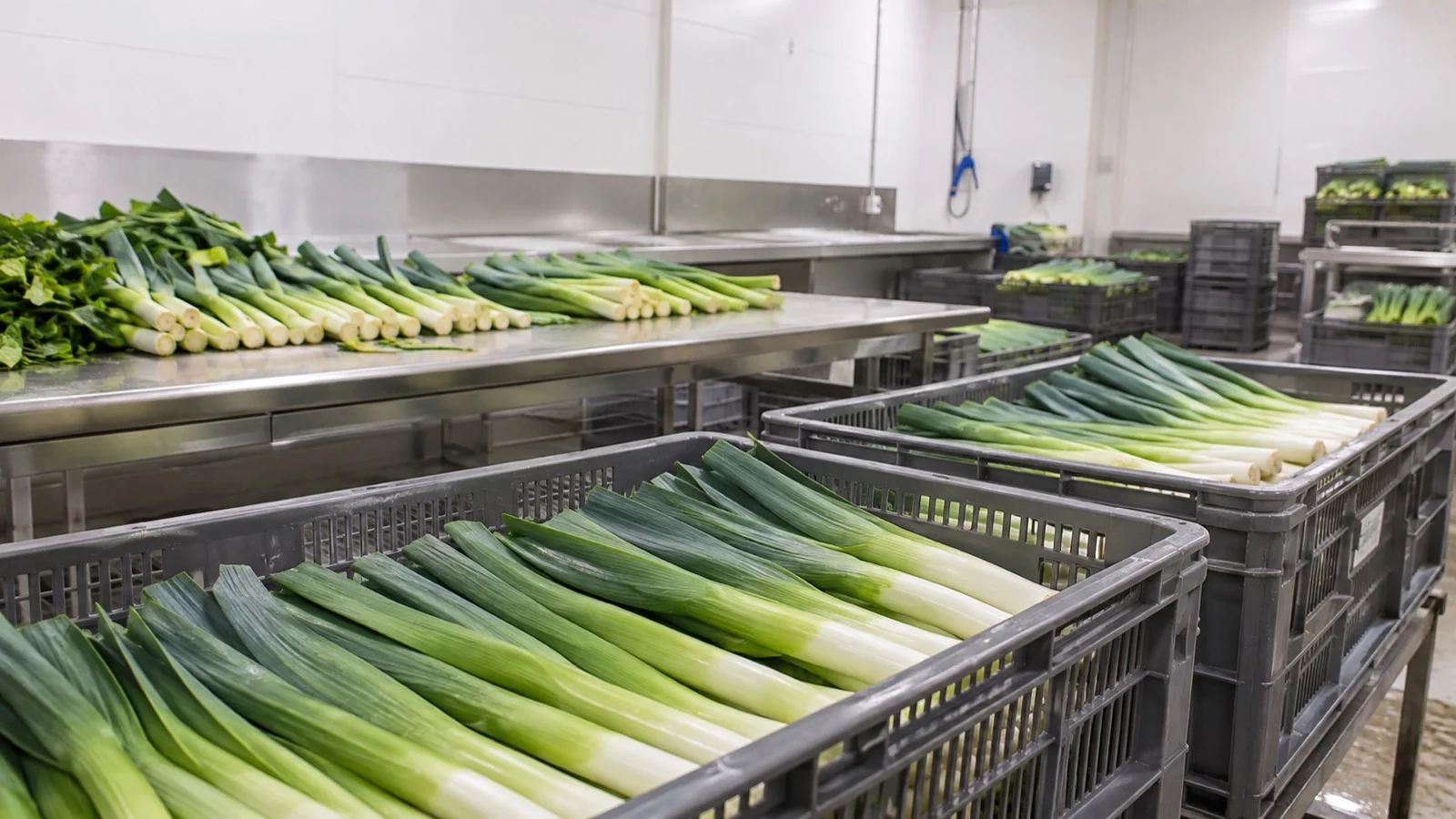
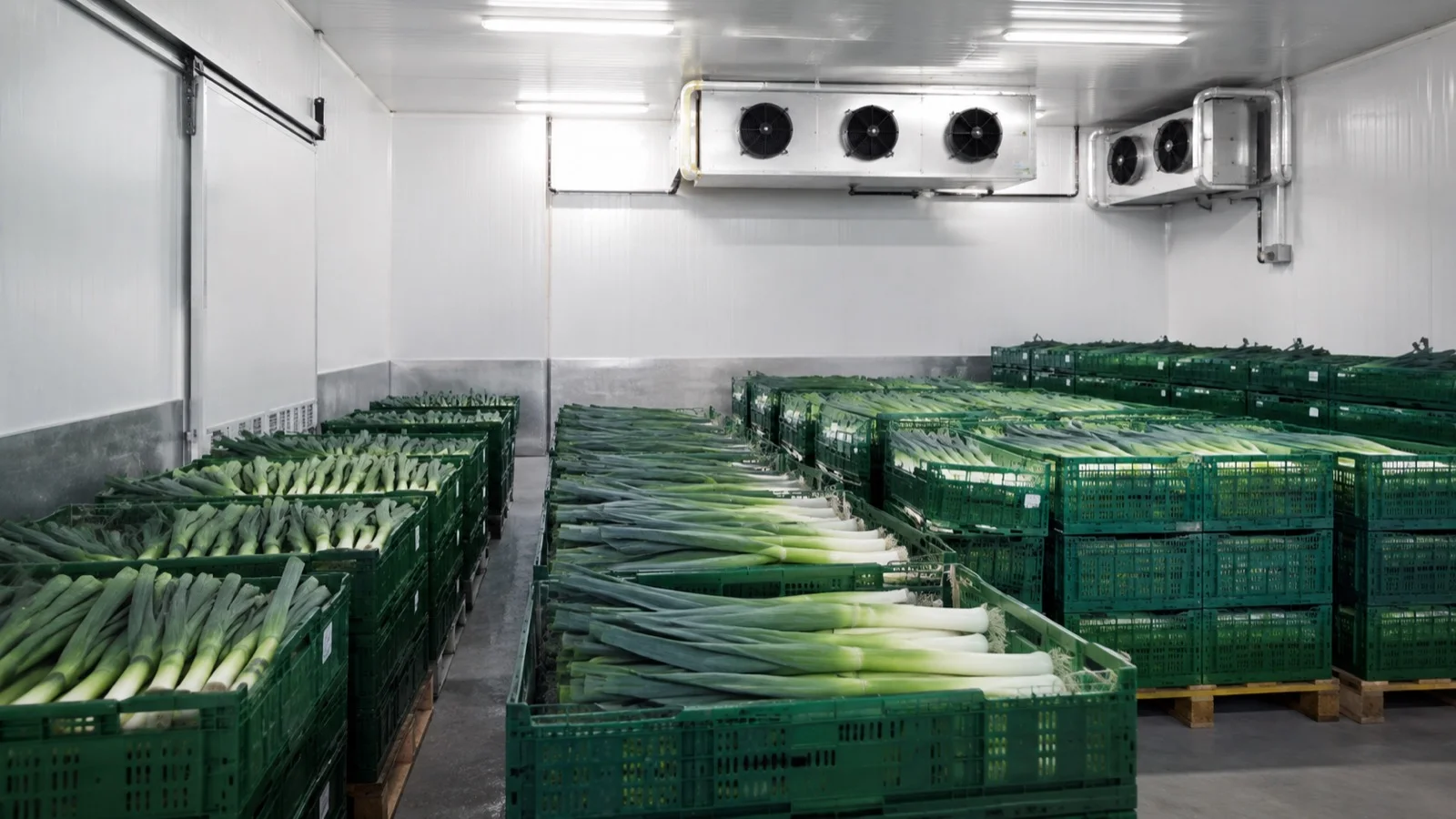
Container storage is a modern, highly controlled method for storing vegetables that offers numerous advantages over bulk storage. It is especially effective for crops that require careful handling - carrots, cabbage, and other delicate produce.
This method is also widely used for potatoes and onions, particularly in facilities where efficient warehousing logistics, easy access to multiple crop types, and consistent product quality are top priorities throughout the entire storage season.
Key Advantages of Container Storage
-
Partial unloading without disrupting temperature conditions
Containers allow selective access to produce without affecting the climate of the entire room. -
Minimal spoilage
Crops remain well-protected thanks to stable, highly controlled microclimates. -
Easy quality monitoring
Spoiled produce can be quickly identified and removed before it affects the rest of the batch. -
Fast and convenient loading/unloading
Containerized setups streamline logistics and reduce labor time. -
Efficient movement inside the facility
Electric lift trucks ensure quick transport to pre-sale preparation zones. -
Superior preservation
This method provides one of the highest levels of safekeeping for vegetables that demand precise environmental control. -
Fully mechanized processes
Airflow, cooling, humidification and other systems operate automatically for maximum efficiency.
Main Disadvantage
-
Higher investment cost compared to bulk storage due to additional equipment, infrastructure and handling systems.
Why Container Storage Is So Effective
Container storage with a controlled, artificial climate delivers exceptional temperature and humidity stability.
This long-term stability is essential for crops like carrots and all types of cabbage, which are highly sensitive to even small fluctuations in air exchange, moisture or temperature.
By maintaining consistent microclimate parameters, container storage significantly reduces losses and keeps produce in premium condition for extended periods — a major advantage for agricultural operations in warm or variable climates such as India, Africa, and Saudi Arabia.
Looking to upgrade your vegetable-storage operations with high-precision climate control?
Contact us for container-storage systems engineered specifically for challenging climates in India, Africa, and Saudi Arabia.



More articles
 Why Poultry Data Systems Miss What the Birds Are Telling Us
Poultry production ranges from integrated networks to independent and family-run farms. Across these models, sensors measure the building — but not always how the flock experiences it.
News
Why Poultry Data Systems Miss What the Birds Are Telling Us
Poultry production ranges from integrated networks to independent and family-run farms. Across these models, sensors measure the building — but not always how the flock experiences it.
News
 Breathing and suffocating of sugar beet root crops during storage
Beet respiration intensity factors. Measures to prevent suffocation of root crops
News
Breathing and suffocating of sugar beet root crops during storage
Beet respiration intensity factors. Measures to prevent suffocation of root crops
News
 3 factors to maximize sugar beet yield
How to properly grow sugar beets?
News
3 factors to maximize sugar beet yield
How to properly grow sugar beets?
News
 Potato storage technology
Learn how bulk and container potato storage systems work, how to manage drying, healing, cooling, humidity and CO₂, and how to protect quality long-term
News
Potato storage technology
Learn how bulk and container potato storage systems work, how to manage drying, healing, cooling, humidity and CO₂, and how to protect quality long-term
News
 Weight loss when storing potatoes
Minimization of weight loss of potatoes during storage. Relative humidity in the vegetable storage
News
Weight loss when storing potatoes
Minimization of weight loss of potatoes during storage. Relative humidity in the vegetable storage
News
 Livestock housing ventilation technologies
Learn how accelerator fans improve heat dissipation, stabilize barn microclimates, and increase milk yield by optimizing airflow for dairy cattle
Livestock housing ventilation technologies
Learn how accelerator fans improve heat dissipation, stabilize barn microclimates, and increase milk yield by optimizing airflow for dairy cattle

Leave your contacts and we will get back to you