How to Store Potatoes Properly: 7 Proven Rules for Long-Term Preservation

How to Store Potatoes Properly: 7 Proven Rules for Long-Term Preservation
Not all potato varieties are suitable for long-term storage. To minimize losses and maintain quality, it’s essential to select the right varieties, manage temperature and humidity carefully, and avoid common storage mistakes. Here are seven key rules to follow:1. Choose the Right Variety
Not every potato is built for long storage. Opt for mid- and late-season varieties, which remain firm and fresh for several months. Early potatoes can only last until November before sprouting and shriveling, making them unsuitable for long-term storage.
2. Don’t Store Low-Quality Potatoes
Avoid placing damaged, frozen, or diseased potatoes in storage. Even a few poor-quality tubers can spoil the entire batch. Before storage:
- Clean off dirt
- Thoroughly dry the tubers
- Sort and remove any with cuts or rot
3. Store Potatoes Separately from Other Vegetables
Potatoes release moisture and gases that can accelerate spoilage in nearby produce.
✅ Compatible crops: beets and carrots, which absorb excess humidity and protect potatoes from rot.
❌ Avoid mixing potatoes with onions, cabbage, or apples.
4. Dry and Sort Before Storage
This stage allows the tubers to stabilize and prepare for the next phases.
- Temperature: +15°C to +17°C
- Duration: up to 12 days, depending on crop condition
5. Allow the Healing Stage
During the curing period (15–18 days), potatoes naturally repair small wounds and reach optimal maturity.
Maintain:
-
Temperature: +18°C to +20°C
-
Humidity: 80–95%
This step is crucial to prevent decay and extend storage life.
6. Cool Potatoes Gradually for Long-Term Storage
Proper cooling slows down all biological processes.
-
Optimal temperature: +3°C to +8°C, depending on variety
-
Relative humidity: 95%
-
Cooling rate: 0.5°C per day (or 1°C for damaged tubers)
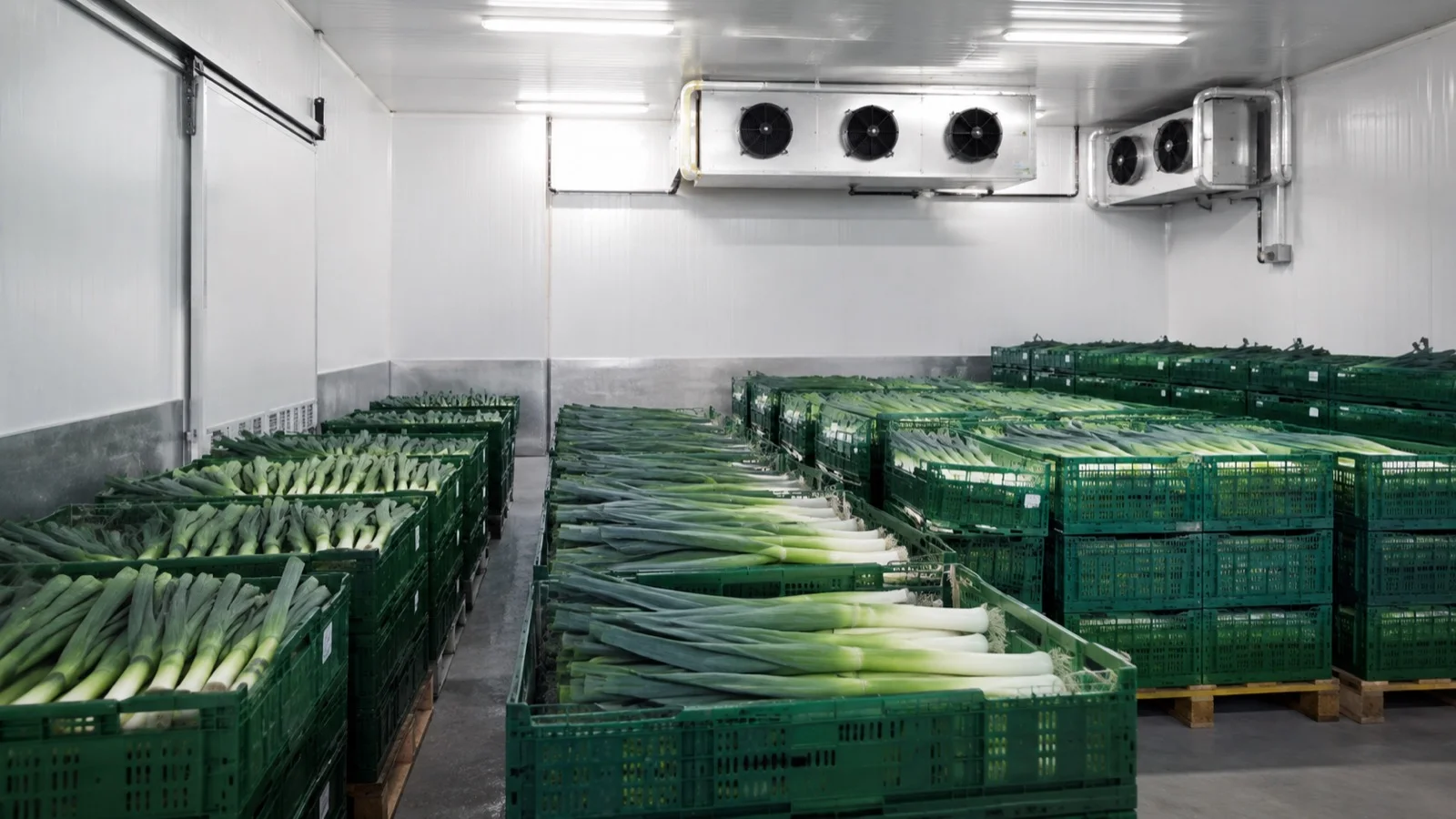
To maintain these parameters consistently, use a climate control system such as Agrovent’s integrated microclimate technology - ensuring stable conditions throughout the entire season.
7. Warm Up Before Unloading
Before removing potatoes from storage, gradually increase the temperature to around +17°C. This prevents bruising and damage to cold tubers, which are more fragile when handled at low temperatures.
Efficient storage isn’t just about keeping potatoes cold - it’s about maintaining the right balance of temperature, humidity, and airflow.
With Agrovent’s engineered storage solutions, you can preserve up to 99% of your harvest quality, reduce losses, and improve your farm’s profitability.



More articles
 To deep rip or not?
Most storage failures are blamed on cooling or ventilation. But the real cause often lies much earlier - in soil compaction, root stress, and pre-harvest disease pressure. This article explains why the foundation of high-quality storage is built long before the crop enters the warehouse.
News
To deep rip or not?
Most storage failures are blamed on cooling or ventilation. But the real cause often lies much earlier - in soil compaction, root stress, and pre-harvest disease pressure. This article explains why the foundation of high-quality storage is built long before the crop enters the warehouse.
News
 Cabbage Storage Tips and Microclimate Technology | Agrovent Blog
Learn how to store cabbage properly and prevent post-harvest losses. Agrovent microclimate systems help farmers in India, Africa, and the Middle East extend storage up
Harvest
Cabbage Storage Tips and Microclimate Technology | Agrovent Blog
Learn how to store cabbage properly and prevent post-harvest losses. Agrovent microclimate systems help farmers in India, Africa, and the Middle East extend storage up
Harvest
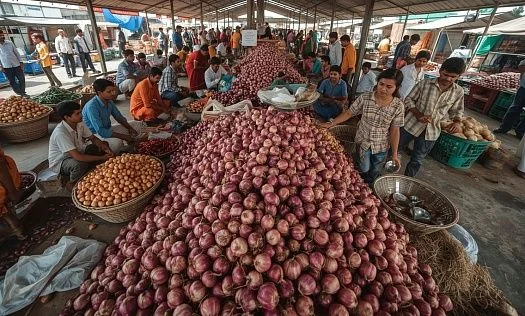 Should India Change Its Onion Storage Culture?
An evidence-based look at how controlled airflow, temperature and humidity can reduce onion storage losses in India without copying one universal storage model.
News
Should India Change Its Onion Storage Culture?
An evidence-based look at how controlled airflow, temperature and humidity can reduce onion storage losses in India without copying one universal storage model.
News
 African Agriculture in a New Context
Africa holds enormous agricultural potential, but progress requires investment in smallholder farmers, water infrastructure, innovation, and climate-resilient policies. Explore the key challenges and solutions shaping the future of African food systems.
News
African Agriculture in a New Context
Africa holds enormous agricultural potential, but progress requires investment in smallholder farmers, water infrastructure, innovation, and climate-resilient policies. Explore the key challenges and solutions shaping the future of African food systems.
News
 How to reduce post-harvest losses most effectively and quickly?
Discover sustainable cold storage and mobile berry cooling solutions that cut food loss, reduce CO₂ emissions, and protect harvests in hot climates.
News
How to reduce post-harvest losses most effectively and quickly?
Discover sustainable cold storage and mobile berry cooling solutions that cut food loss, reduce CO₂ emissions, and protect harvests in hot climates.
News
 Efficient Beet Storage and Ventilation Systems by Agrovent
Required equipment, features and benefits.
Efficient Beet Storage and Ventilation Systems by Agrovent
Required equipment, features and benefits.

Leave your contacts and we will get back to you