Mistakes storage

Common Mistakes in Vegetable Storage - and How to Avoid Them
To preserve the full quality, freshness and commercial value of your produce, it’s essential to eliminate errors that can occur at every stage of the storage chain.
Key Mistakes
1. Poor Planning and Unqualified Storage Design
One of the most common failures is an unprofessional approach to designing vegetable storage facilities.
Always work with specialists who have real, up-to-date experience building modern storage systems that support today’s logistics, handling, pre-cooling, processing and packaging requirements.
2. Low-Quality Seed Material
The genetic quality of the produce matters.
Choose varieties with documented storability and ensure proper conditions for seed storage.
The quality of the harvest — and its long-term storage potential — begins long before planting.
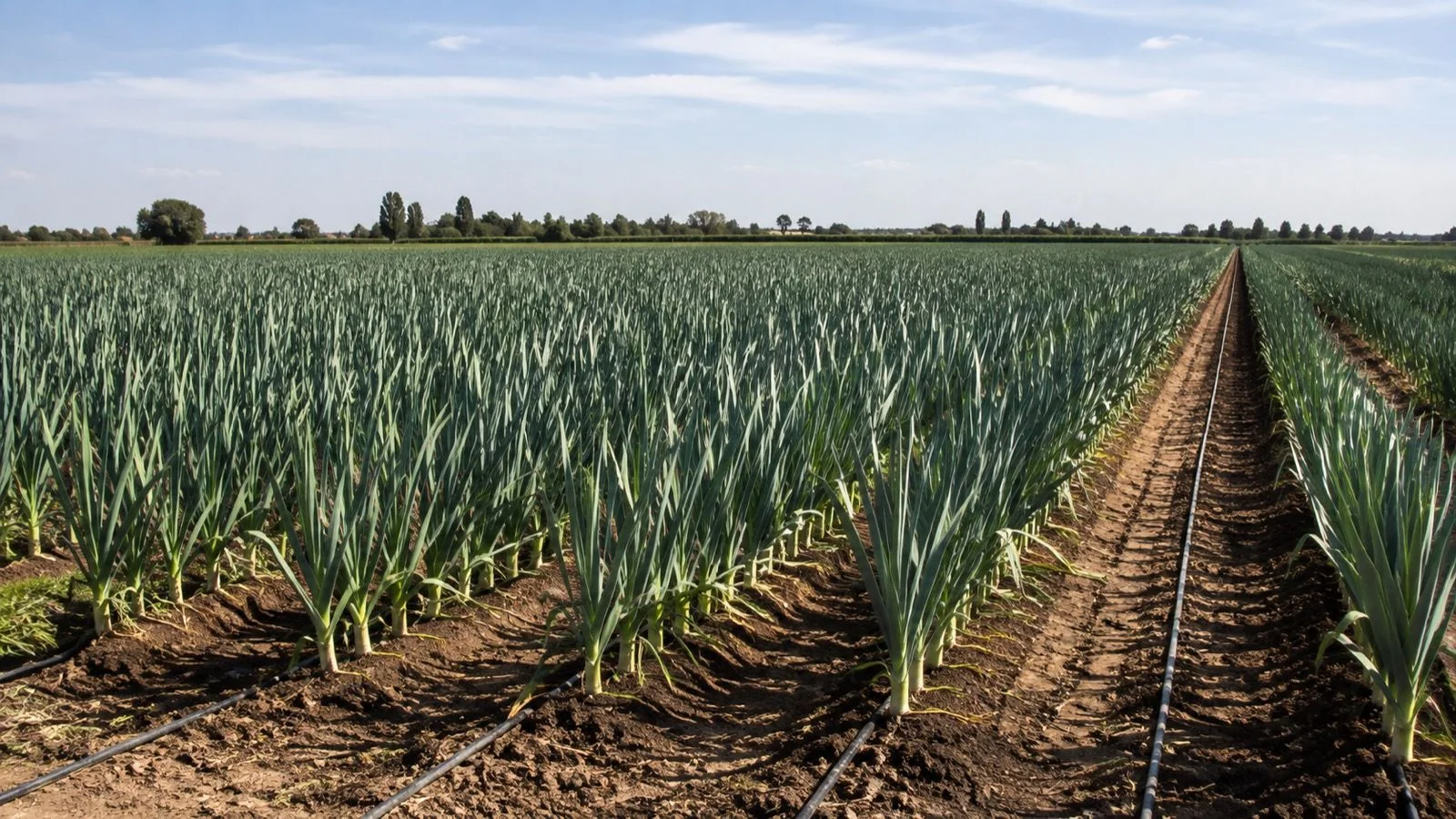
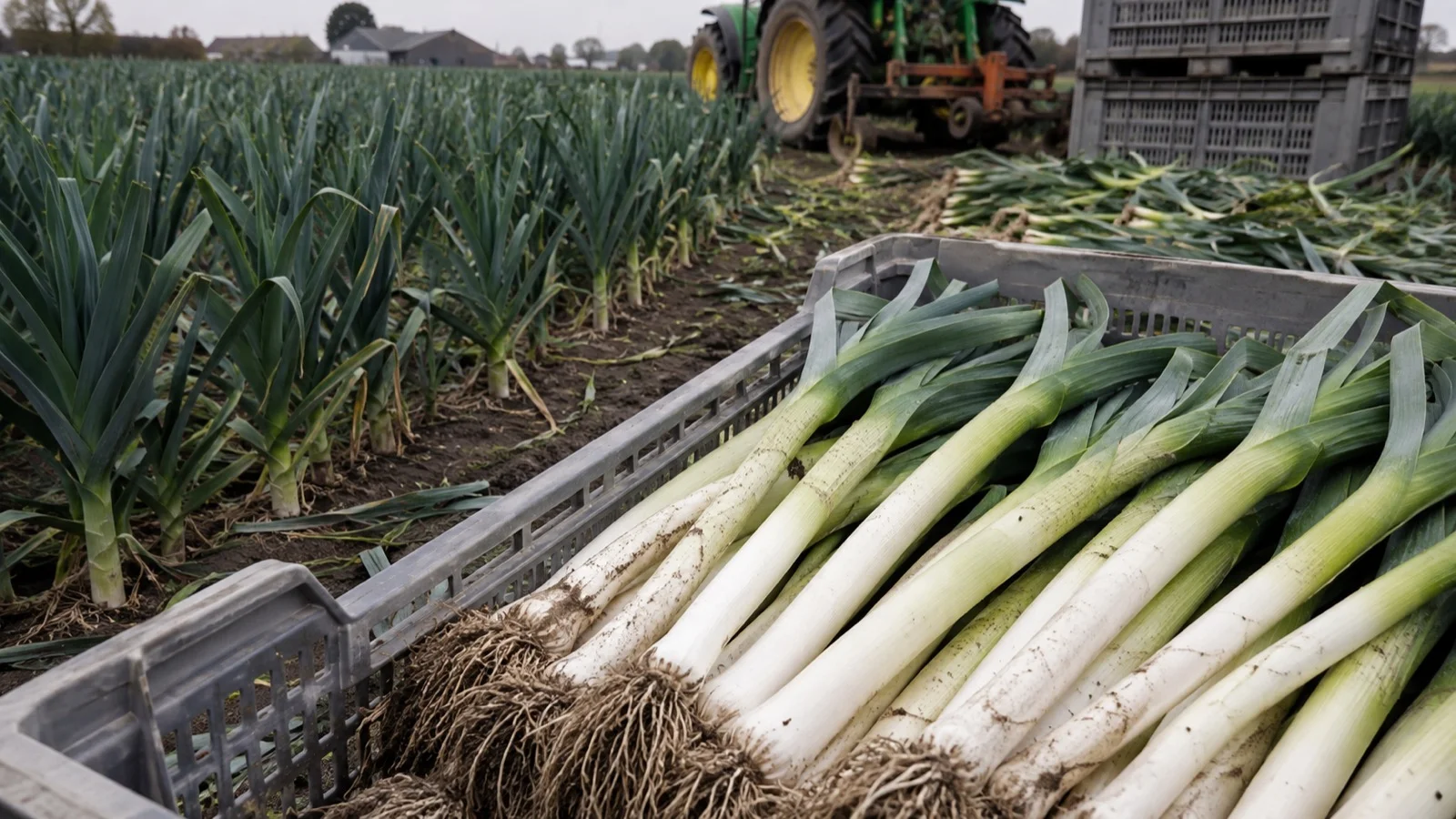
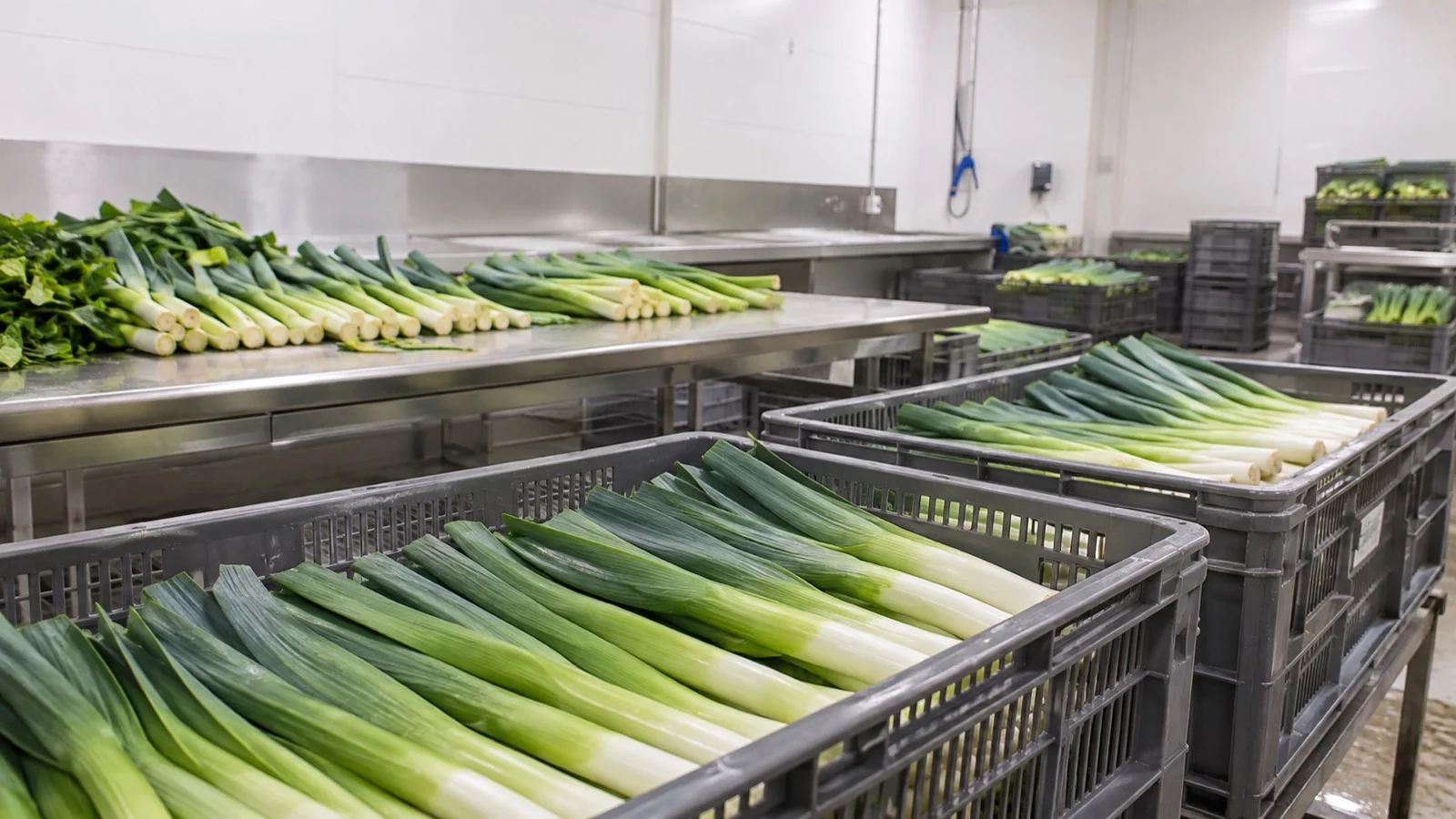
3. Errors During Growing, Harvesting, Drying and Sorting
Technological mistakes in the field or during post-harvest handling reduce storage life dramatically.
Ensure your team is well-trained and follows correct protocols.
By the time produce reaches the storage facility, it must retain its natural structure, firmness and moisture balance.
4. Incorrect Loading and High Rates of Spoilage
Improper loading leads to increased mechanical damage and high levels of infected or compromised produce.
Critical thresholds:
-
Asphyxiation: ≤ 1–1.5%
-
Physical damage: ≤ 5%
Frost-damaged, crushed, or bacterially infected vegetables must not enter storage under any circumstances.
5. Ignoring the Intended Use of Produce
Even within a single crop variety, microclimate requirements vary depending on whether the produce is stored for:
-
Retail sale
-
Processing
-
Seed stock
Ignoring these differences shortens storage life and reduces overall profitability.
6. Poor Thermal Insulation
Weak or incorrect insulation leads to condensation, moisture accumulation and winter freezing.
Condensate dripping onto vegetables causes immediate rot.
Choosing the correct panel material and thickness during design is critical for long-term stability in warm or variable climates.
7. Violating Storage Stages
Each storage period requires its own microclimate parameters:
-
Curing
-
Cooling
-
Main storage
-
Spring period
Mistakes in any phase disrupt respiration rates and increase losses.
8. Airflow and Fan Imbalance
Insufficient or incorrect ventilation quickly leads to rot.
Optimal airflow parameters:
-
Incoming airspeed: 5–6 m/s
-
Outgoing airspeed: 0.2 m/s
-
Fan pressure: 150–300 Pa
High-pressure fans ensure stronger, more efficient airflow and reduce energy consumption per stored ton.
They operate for shorter cycles while maintaining the required ventilation rate.
9. Lack of Automation and Monitoring
Without automated control, temperature and humidity are tracked inaccurately.
Manual systems react too slowly, leading to microclimate violations and significant storage losses.
Continuous monitoring is essential for maintaining optimal storage conditions.
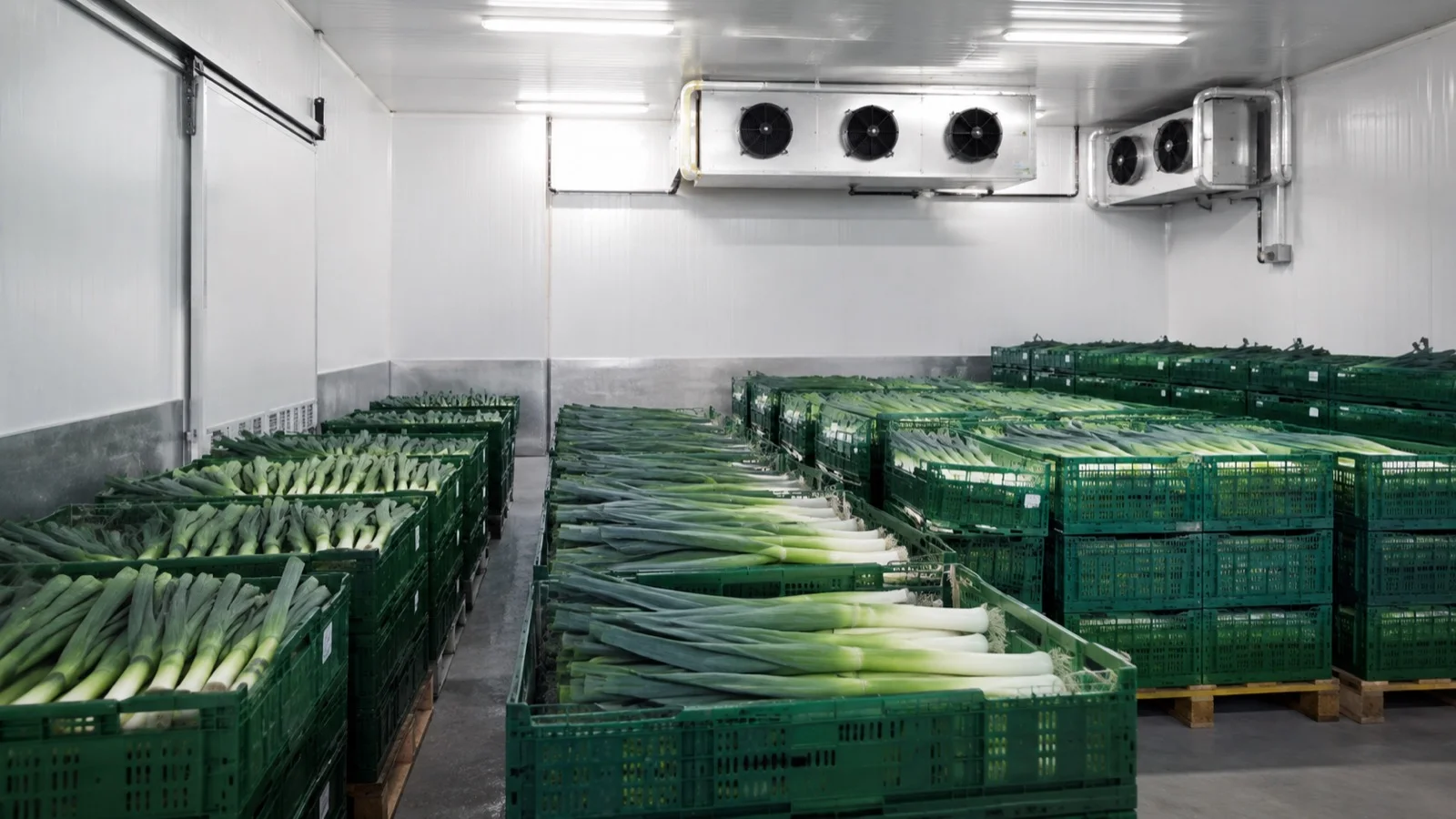
10. Missing or Incorrect Refrigeration System
Producers often rely on late-season sales to maximize profit.
To safely store vegetables until the end of the season, the facility must be equipped with a properly designed refrigeration system.
Without it, long-term retention becomes unreliable and economically risky.
Want to reduce storage losses and upgrade your post-harvest processes?
Contact us for engineered, climate-adapted solutions built for India, Africa, and Saudi Arabia.



More articles
 African-style potatoes
How potatoes are grown in South and East Africa
News
African-style potatoes
How potatoes are grown in South and East Africa
News
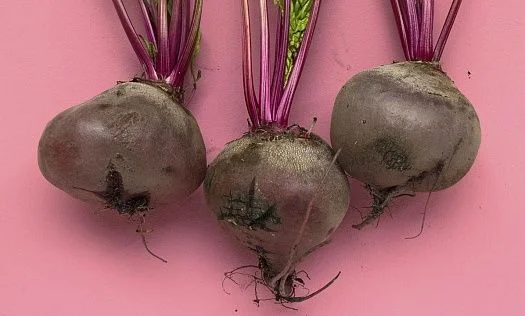 Beets. Storage parameters
Preparation of the product. The volume of goods. Storage temperature.
News
Beets. Storage parameters
Preparation of the product. The volume of goods. Storage temperature.
News
 Green revolution saves lives
Discover how the Green Revolution increased food production, reduced hunger and lowered infant mortality in developing countries — and why a new Green Revolution is essential for India, Africa and global food security by 2050.
News
Green revolution saves lives
Discover how the Green Revolution increased food production, reduced hunger and lowered infant mortality in developing countries — and why a new Green Revolution is essential for India, Africa and global food security by 2050.
News
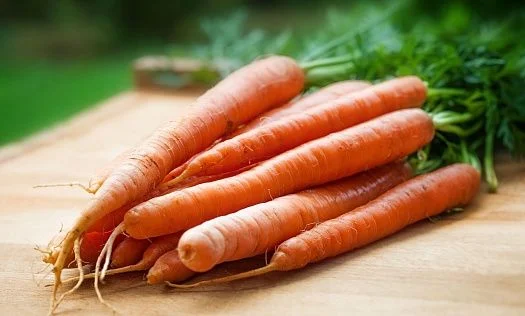 Carrots. Storage parameters
Preparation of the product. The volume of goods. Storage temperature.
Harvest
Carrots. Storage parameters
Preparation of the product. The volume of goods. Storage temperature.
Harvest
 Bulk Potato Storage in India: Engineering for Fries and Chips
When bulk potato storage works for Indian fries and chips supply chains—and why variety, intake handling, airflow and processing logistics must be designed together.
News
Bulk Potato Storage in India: Engineering for Fries and Chips
When bulk potato storage works for Indian fries and chips supply chains—and why variety, intake handling, airflow and processing logistics must be designed together.
News
 Efficient Beet Storage and Ventilation Systems by Agrovent
Required equipment, features and benefits.
Efficient Beet Storage and Ventilation Systems by Agrovent
Required equipment, features and benefits.

Leave your contacts and we will get back to you