How does climate change affect the cultivation and storage of onions?

Onion farmers face unpredictable climatic factors every year. They know that Mother Nature is in complete control, and the main task is to adapt in time.
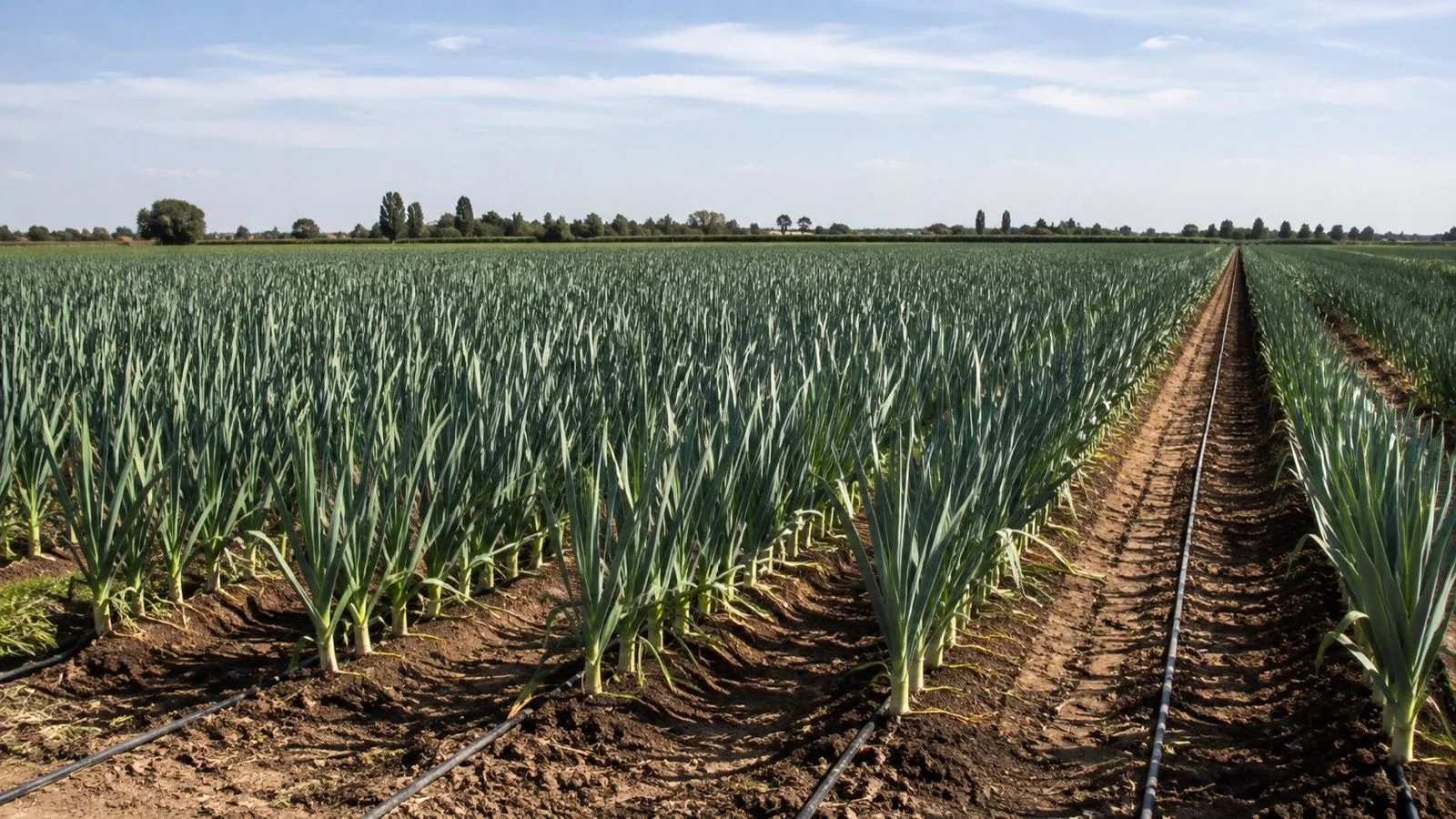
Around the world, climate change has affected the growing seasons to varying degrees. In the southern regions of Russia, farmers have seen how a record-breaking heat wave has affected their onions in the field in just a few days. According to one of them, some reduction in bulb size was expected. " Heat stress makes onion health more vulnerable, " he says. "Before harvest, yields were expected to decrease because of stress caused by constant above-average heat during key months of the growing season ."
In onion varieties such as yellow, white and red, the scales of the plant protect the onion neck from disease. When the scales experience heat stress, it in turn stresses the onion neck. It is extremely important to keep the onion neck healthy. " As you know, the neck is a lifeline for the onion " describes the farmer, " when the neck is stressed and unhealthy, disease can occur. "
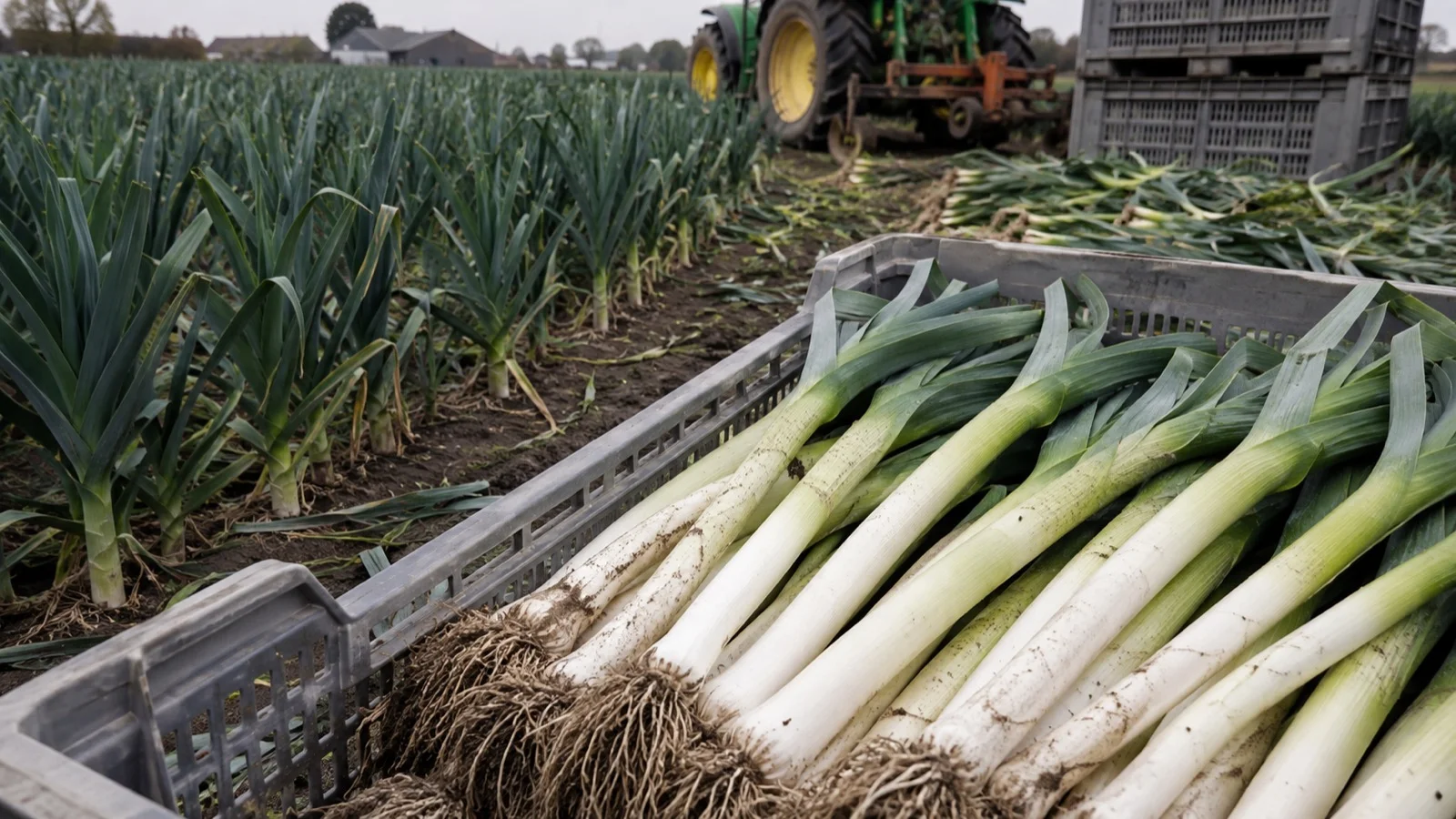
Onion farmers are weighing the pros and cons when deciding when to harvest. In the summer of 2021, some growers had to choose between harvesting before possible moisture or deciding to "delay" but get bigger onions. Surface drying the bulbs in the field is desirable before putting them in storage, but sometimes the weather just doesn't allow it. Heavy precipitation in the fall further confirmed this, adding additional risks.
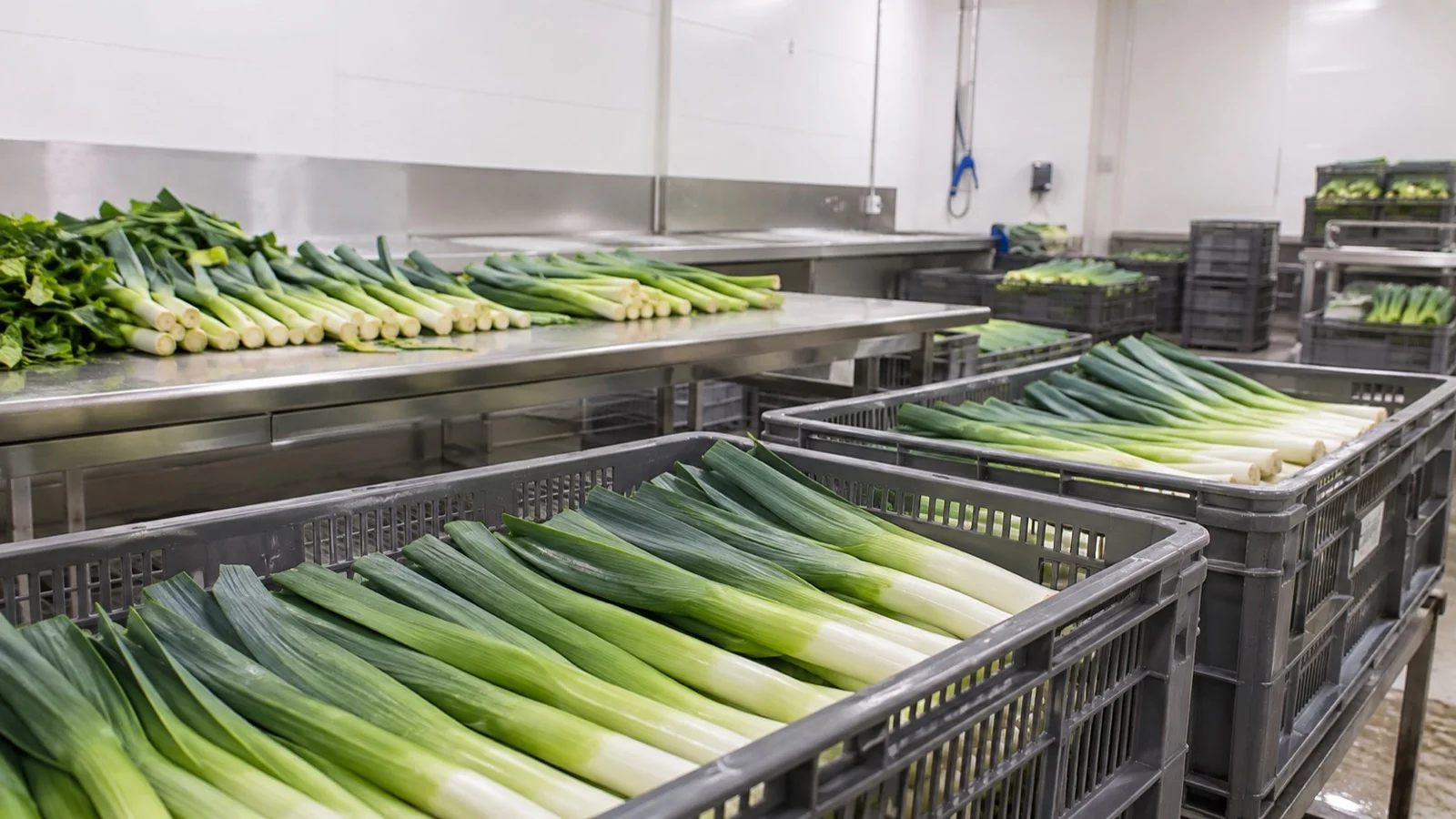
Producers take great care when harvesting to protect a healthy crop, both in processing and transportation. For prudent growers, the journey from field to storage by truck is quick, sometimes only an hour. Careful grading contributes to the quality of the onions entering each storage facility.
With the level of effort that goes into producing and protecting a healthy crop, the storage period is no time to relax. Some growers use chemical treatments as a form of insurance. It's a very small percentage of the total cost, but the risk the farmer takes in the event of crop loss provides reassurance that all protective measures have been taken. Peace of mind is a major benefit.
Elevated humidity is one of the most dangerous enemies in storage; it can cause dangerous fungal and bacterial diseases to the entire crop. With growers seeing the effects of excessively high summer temperatures on onions, and yields decreasing in varying degrees, following the right humidity regime becomes even more important.
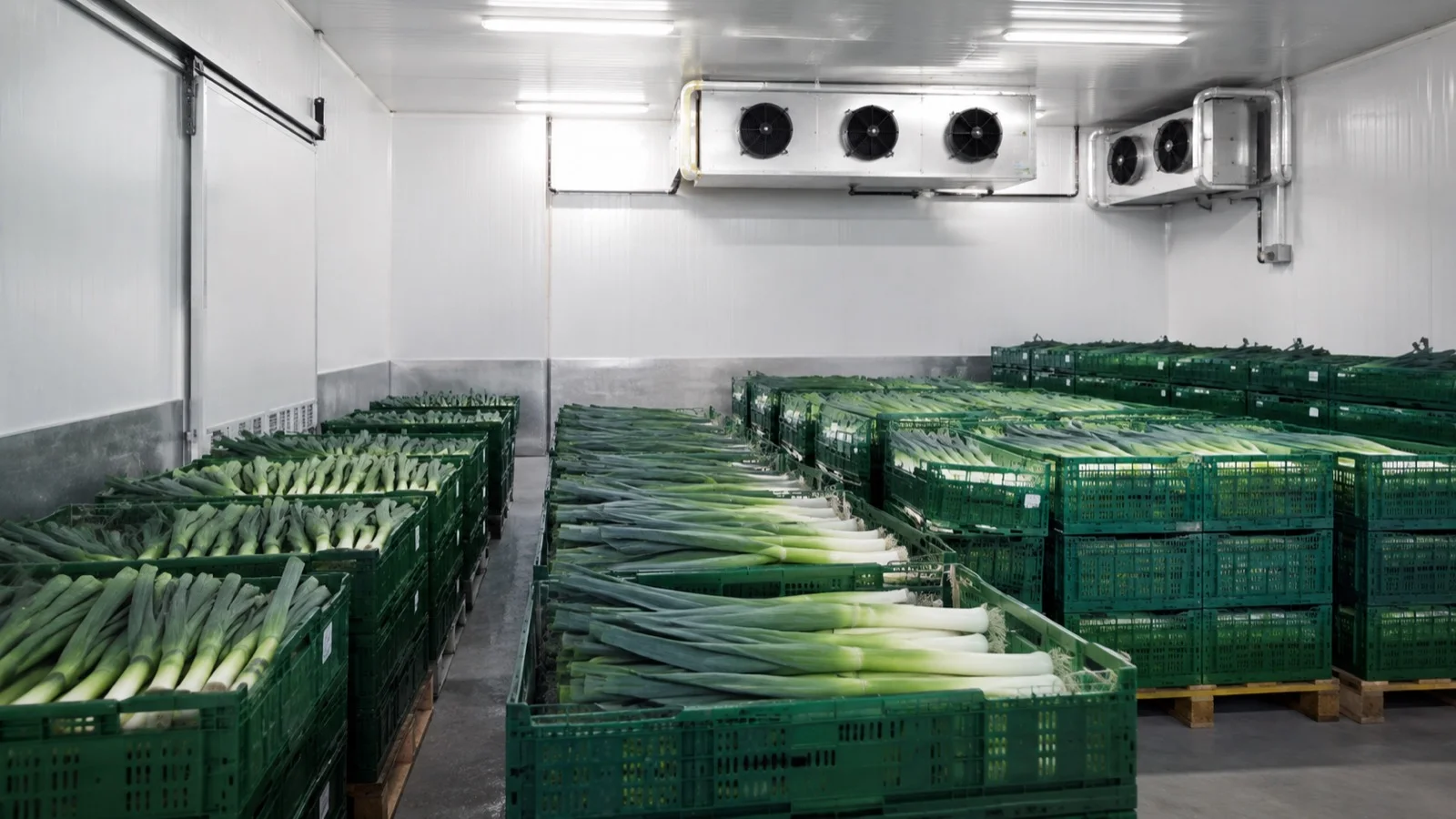
Creating ideal storage conditions means controlling airflow, temperature and humidity!
Along with chemical treatments when they enter storage, growers know that the ideal indoor climate is the key to getting maximum shelf life while maintaining the quality of onions over the long term. To begin with, proper drying can minimize the reduction in size of onions. The storage process can be monitored and controlled by an automation system.
Agrovent managers can help you with the choice of storage technology, automation system and other equipment to control all storage parameters: from temperature to humidity. Agrovent helps producers to maintain microclimate control for perfect storage time!
To create the ideal microclimate conditions to maximize the storage time of your crops, call +971504377119 or email info@agrovent.com !



More articles
 5 Proven Ways to Improve Soil Health for Sustainable Farming and Higher Yields
Healthy soil is the foundation of every successful farm. It feeds the plants, sustains the animals, and protects the farmer’s future. In this article, Agrovent shares five practical steps to restore and maintain soil health - improving yields, water retention, and long-term sustainability.
News
 The Rise of Urban Farming: How Rooftops Are Becoming the World’s New Agricultural Frontier
Around the world, cities are running out of space - but not out of ideas. Urban farming is turning rooftops, abandoned industrial zones, and unused land into high-yield food production hubs. Here’s how the world’s largest rooftop farm in Paris is redefining agriculture in dense urban environments.
News
 How to Store Potatoes Properly: 7 Proven Rules for Long-Term Preservation
Discover how to store potatoes for months without loss. Learn how to sort, dry, cool, and manage humidity to keep your harvest healthy and fresh with Agrovent’s climate control systems.
News
 Things to keep in mind when building a vegetable storage
Learn the essential factors to consider when planning a vegetable storage facility: technology choice, layout, location, regulations and budgeting. Ideal for projects in India, Africa and Saudi Arabia. Contact Agrovent for expert storage design and engineering
News
 Breathing and suffocating of sugar beet root crops during storage
Beet respiration intensity factors. Measures to prevent suffocation of root crops
News
 Alex Samsonov interview
Alex Samsonov, a seasoned expert in vegetable and potato storage, shares insights from his years of experience designing and implementing innovative solutions. With a global perspective and a focus on both technical efficiency and economic viability, Alex offers practical advice for addressing the challenges of modern storage practices.

Leave your contacts and we will get back to you