Methods and ways of storing beet
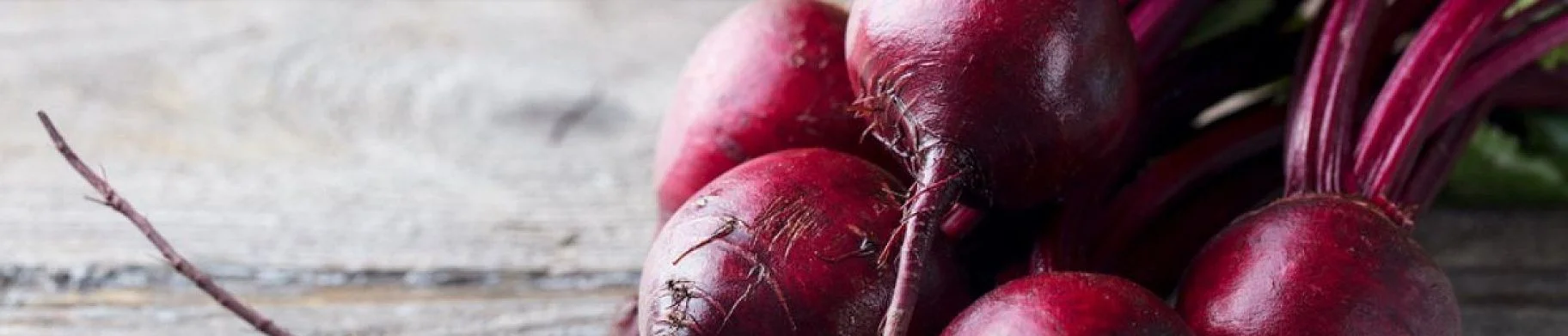
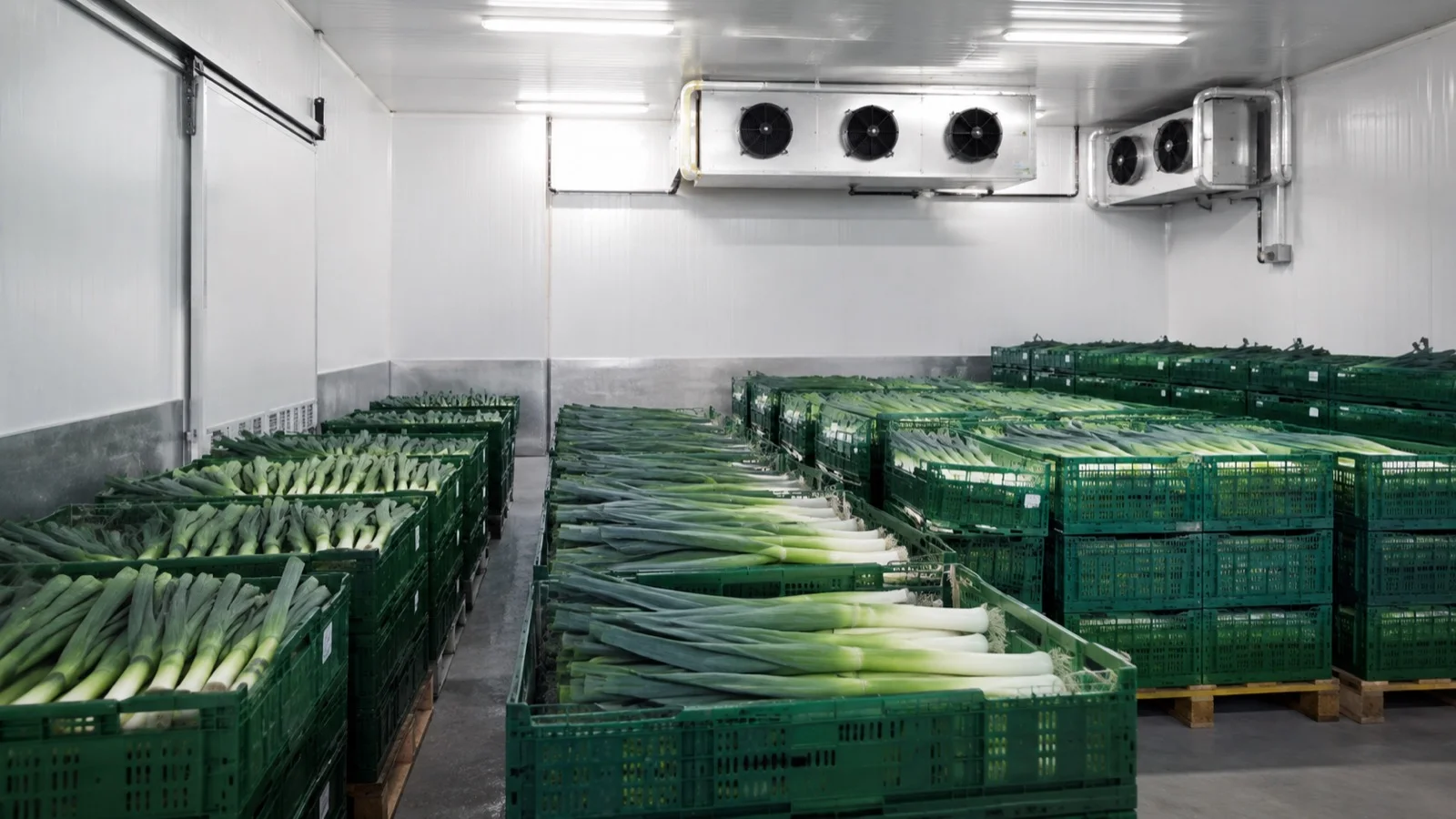
Spring has come, which means open the gates to such comrades as the flu and SARS. Beets are a good source of vitamin C, which is essential for colds. But how can you preserve its beneficial properties if you grow beets on an industrial scale? In order for your beet crop to easily endure the "wintering", vegetables must be laid for long-term storage in a vegetable store, where all the conditions necessary for this will be met. In the vegetable store, microclimatic parameters are created and maintained, at which the respiration rate of the beet will be reduced, which will favorably affect its keeping quality.
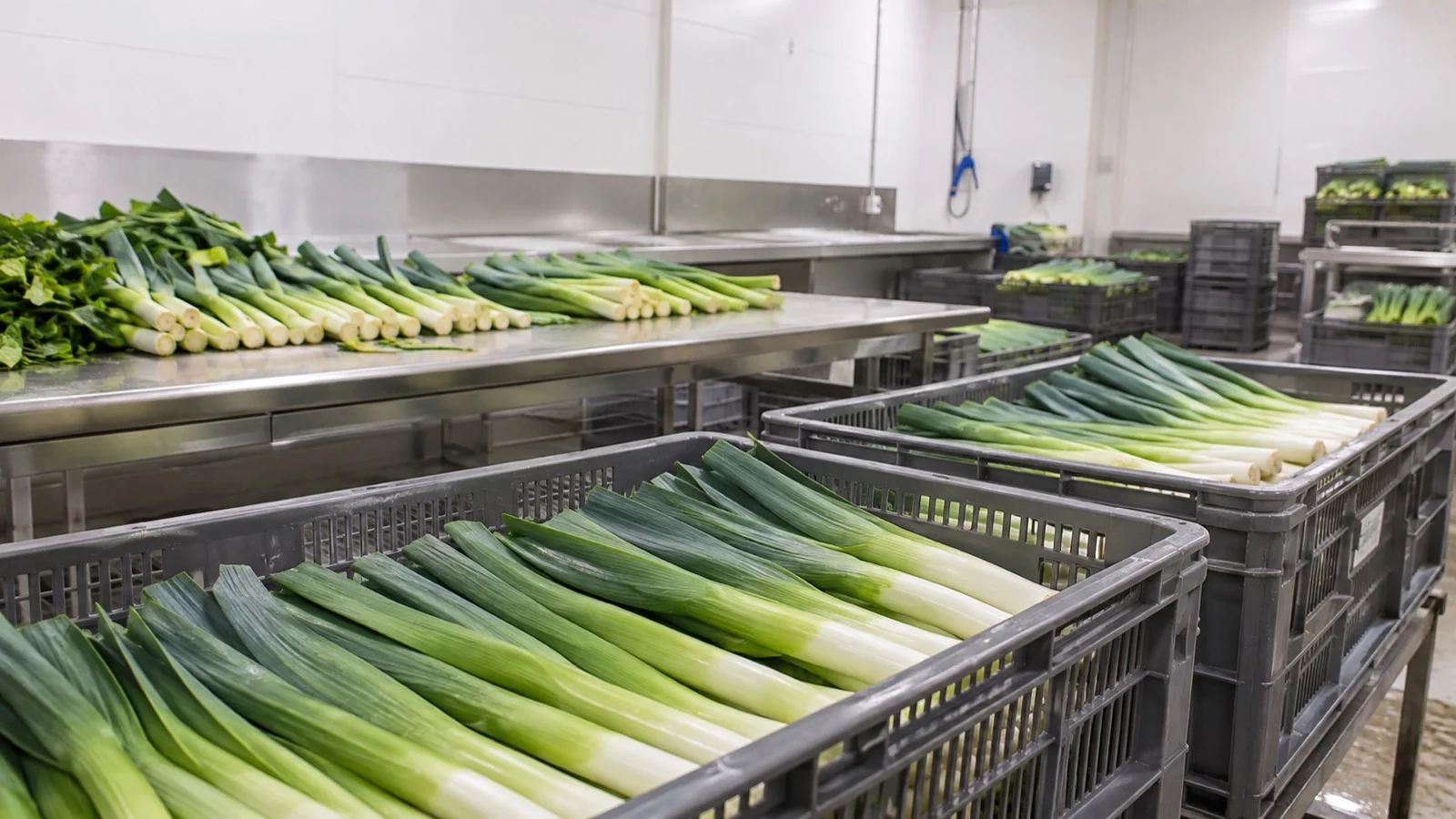
Methods for storing beets in a vegetable store Beets are a type of root crop that requires special storage conditions. If they are not followed, the risk of spoilage, disease, drying out or mold will increase dramatically. When storing beets, 2 methods are used: bulk and container. In the case of bulk / bulk storage of beets, vegetables lie in separate mounds, between which there is a distance for passage. This method involves intensive ventilation of the product. Bulk storage has the following subcategories: bunker storage, collar storage and trench storage. Storage of beetroot vegetables in containers When using a container storage method, it is allowed to use plastic film inserts: vegetables are placed in bags (provided for by GOST for food products), which are placed in an open container. 5.5 meters is the maximum storage height with this method.
Ventilation for storage of crops
The secret ingredient in any long-term storage is a well-designed ventilation system. It is she who will help prevent the formation of condensation, maintain an optimal level of humidity and CO2 levels, and also contribute to the stable movement of air in the vegetable store.
It is advisable to supplement the supply and exhaust systems with automatic control so that the fans turn on and off independently, based on the measured microclimate indicators in the storage.
What can spoil beets?
To achieve long-term storage of the crop, it is necessary to regularly monitor and check vegetables in the vegetable store in order to timely track the appearance of diseases or spoilage. If spoiled specimens are not removed in time, they can affect neighboring root crops. The most common causes of beet spoilage during storage include:
- Failure to comply with the optimal temperature or humidity level;
- Damaged vegetable surface when placed in storage;
- Transport damage;
- Insufficient surface treatment with fungicides.
Taking these aspects into account, it is possible to achieve good preservation of the crop throughout the entire storage period. Storage technology for sugar beets in piles When choosing a storage technology for the beet crop, it should be borne in mind that bulk or container storage methods are not suitable for sugar beets.
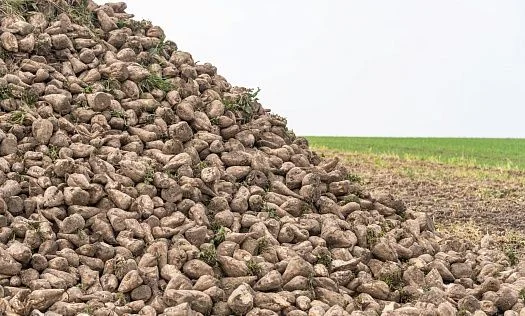
When storing sugar beets, use the pile storage method.
- The dimensions of the piles for long-term storage are 5 m or more high, at least 18 m wide, if possible, active ventilation should be used;
- For average storage periods - 3–4 m in height and 12–16 m in width;
- The length of the piles is determined by the area allocated for storing beets.
Looking to build a vegetable store? Or are you looking for equipment for long-term storage? Our experts will answer all your questions. Call +971504377119 or write info@agrovent.com .



More articles
 Why broiler business is a good business idea?
Factors influencing the commercial attractiveness of a business idea for breeding broilers for meat
News
Why broiler business is a good business idea?
Factors influencing the commercial attractiveness of a business idea for breeding broilers for meat
News
 Agritechnica, we’re coming!
We announce participation in the exhibition Agritechnica-2019, Hannover, meet us!
News
Agritechnica, we’re coming!
We announce participation in the exhibition Agritechnica-2019, Hannover, meet us!
News
 Long-term storage tips for fruits and vegetables
Learn how to extend the shelf life of fruits and vegetables with proper cooling, ethylene management and post-harvest storage technology. Ideal solutions for growers in India, Africa and Saudi Arabia. Contact Agrovent for modern fruit and vegetable storage systems.
News
Long-term storage tips for fruits and vegetables
Learn how to extend the shelf life of fruits and vegetables with proper cooling, ethylene management and post-harvest storage technology. Ideal solutions for growers in India, Africa and Saudi Arabia. Contact Agrovent for modern fruit and vegetable storage systems.
News
 3 factors to maximize sugar beet yield
How to properly grow sugar beets?
News
3 factors to maximize sugar beet yield
How to properly grow sugar beets?
News
 Tomato storage and growing technology
Learn how to store tomatoes for maximum shelf life and quality. Ripeness stages, temperatures, humidity, controlled atmosphere, ethylene treatment, sorbilene, and best practices for long-term tomato storage
News
Tomato storage and growing technology
Learn how to store tomatoes for maximum shelf life and quality. Ripeness stages, temperatures, humidity, controlled atmosphere, ethylene treatment, sorbilene, and best practices for long-term tomato storage
News
 Technologies and methods for storing onions in a vegetable store
Learn how to prepare onions for long-term storage with proper cleaning, drying, ventilation and microclimate control. Ideal for growers in India, Africa and Saudi Arabia. Contact Agrovent for professional onion storage systems.
Technologies and methods for storing onions in a vegetable store
Learn how to prepare onions for long-term storage with proper cleaning, drying, ventilation and microclimate control. Ideal for growers in India, Africa and Saudi Arabia. Contact Agrovent for professional onion storage systems.

Leave your contacts and we will get back to you