Crop rotation: how crop rotation helps to increase yields and maintain soil fertility

Why does soil lose fertility when the same crop grows repeatedly? And how do smart rotation systems prevent depletion and disease pressure? We explain the principles of crop rotation and how to plan it correctly.
Why Crop Rotation Matters: How Smart Planning Protects Soil and Boosts Yields
Growing the same crop in one place season after season leads to predictable consequences: soil depletion, nutrient imbalance, increased pressure from pests and diseases, and declining yields. Crop rotation is one of the most effective ways to break this cycle — but only when it’s planned intelligently. Simply swapping crops is not enough.
Why Crop Rotation Is Essential
1. Soil Health Improves
Different crops absorb nutrients from different soil layers. Some feed from the top layer, others from deeper zones. When the same crop grows repeatedly, it exhausts the same nutrient layer — leading to deficiencies, weakened plants, and higher disease pressure.
2. Pest and Disease Cycles Are Broken
Many pests and pathogens specialize in a specific plant family. Continuous cultivation creates a perfect habitat for them to multiply. Changing plant families interrupts their life cycle and reduces population density naturally.
3. Root Exudates Stop Accumulating
Plants release biochemical compounds (toxins or allelopathic substances) through their roots. These often inhibit the growth of crops from the same botanical family — especially spinach, carrots, and beets. Without rotation, yields progressively decline.
Understanding Rotation Cycles
A rotation cycle is the full sequence through which crops move across all plots before returning to their original position. To build an effective system, you must first know the plant families.
Example: dill cannot follow carrots - both belong to Apiaceae.
Important note: crop rotation isn’t just for vegetables. Flowers can also belong to the same families and influence soil health.
Types of Crop Rotation Systems
By type of predominant crop
-
Field rotation — >50% field crops.
-
Feed rotation — >50% forage row crops.
-
Special rotation — for specific tasks (e.g., erosion control).
By crop ratio
-
Grain–fallow rotation — mostly grains, smaller portion fallow.
-
Grain–pasture rotation — no fallow; used for utility crops.
-
Cereal–grass rotation — grains + perennial grasses; effective for damaged or eroded soils.
-
Grain–grass row rotation — grains, legumes, row crops alternating annually to maintain fertility.
-
Pastoral rotation — for corn, sunflower, forage, vegetable crops.
-
Green manure (sideral) rotation — includes areas dedicated to green fertilizer crops.
Nutrient Demand Matters
When planning crop rotation, nutrient consumption must be accounted for. Crops differ in their intensity of nutrient uptake:
High-demand crops
Potatoes, spinach
Medium-demand crops
Tomatoes, cucumbers
Low-demand crops
Radishes, lettuce
Replacing a high-demand crop with another high-demand crop offers no benefit. A proper sequence looks like this:
Year 1 — high-demand crop
Year 2 — medium or low-demand crop
Post-cycle — soil enrichment with fertilizers and organic matter
Then the cycle repeats.
Pro tip: Always remove plant residues. They can harbor pathogens and inhibit the growth of the next crop.



More articles
 Rethinking Potato Storage: How Fertilization Shapes Post-Harvest Quality
Discover why potato storage success begins long before harvest. Learn how potassium, nitrogen, calcium, and micronutrients influence firmness, sprouting, and storability - and how a proper nutrition plan can reduce losses and boost marketable yield.
News
Rethinking Potato Storage: How Fertilization Shapes Post-Harvest Quality
Discover why potato storage success begins long before harvest. Learn how potassium, nitrogen, calcium, and micronutrients influence firmness, sprouting, and storability - and how a proper nutrition plan can reduce losses and boost marketable yield.
News
 Key Factors for Investing in Agriculture
Learn why agriculture is a stable long-term investment. Key benefits, risks, and strategies for choosing profitable agri projects in India, Africa, and the Middle East
News
Key Factors for Investing in Agriculture
Learn why agriculture is a stable long-term investment. Key benefits, risks, and strategies for choosing profitable agri projects in India, Africa, and the Middle East
News
 Carrot Harvest & Storage Guide: Field Practices, Cooling, and Long-Term Shelf Life
Learn how to harvest, handle, cool, and store carrots for maximum shelf life. From field management to microclimate control, discover best practices to reduce losses and preserve quality for up to 6 months
News
Carrot Harvest & Storage Guide: Field Practices, Cooling, and Long-Term Shelf Life
Learn how to harvest, handle, cool, and store carrots for maximum shelf life. From field management to microclimate control, discover best practices to reduce losses and preserve quality for up to 6 months
News
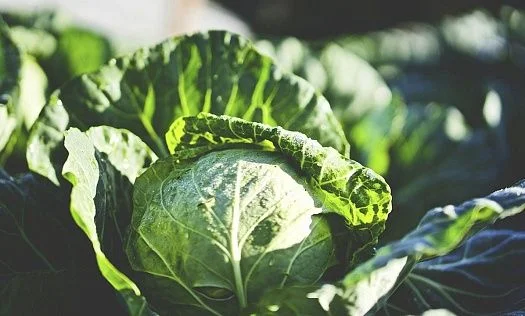 Cabbage. Storage parameters
Discover optimal conditions for long-term cabbage storage: temperature, humidity, and CO₂ standards. Engineered solutions for India, Africa, and Saudi Arabia.
News
Cabbage. Storage parameters
Discover optimal conditions for long-term cabbage storage: temperature, humidity, and CO₂ standards. Engineered solutions for India, Africa, and Saudi Arabia.
News
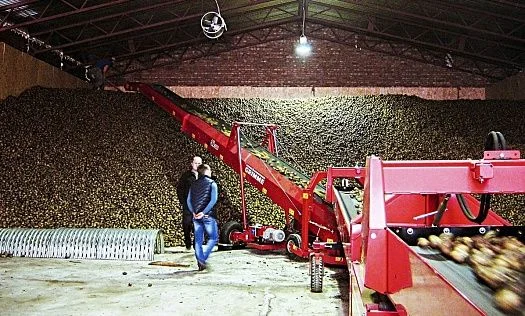 Bulk storage
Learn how bulk storage works: airflow design, microclimate control, perforated pipes, and slotted floors. Ideal for potatoes, onions, and beets in India, Africa, and Saudi Arabia.
News
Bulk storage
Learn how bulk storage works: airflow design, microclimate control, perforated pipes, and slotted floors. Ideal for potatoes, onions, and beets in India, Africa, and Saudi Arabia.
News
 Green revolution saves lives
Discover how the Green Revolution increased food production, reduced hunger and lowered infant mortality in developing countries — and why a new Green Revolution is essential for India, Africa and global food security by 2050.
Green revolution saves lives
Discover how the Green Revolution increased food production, reduced hunger and lowered infant mortality in developing countries — and why a new Green Revolution is essential for India, Africa and global food security by 2050.

Leave your contacts and we will get back to you