How Much Investment Is Necessary To Open A Fruit/Vegetables Cold Storage?

How Much Investment Is Needed to Start a Fruit & Vegetable Cold Storage Facility?
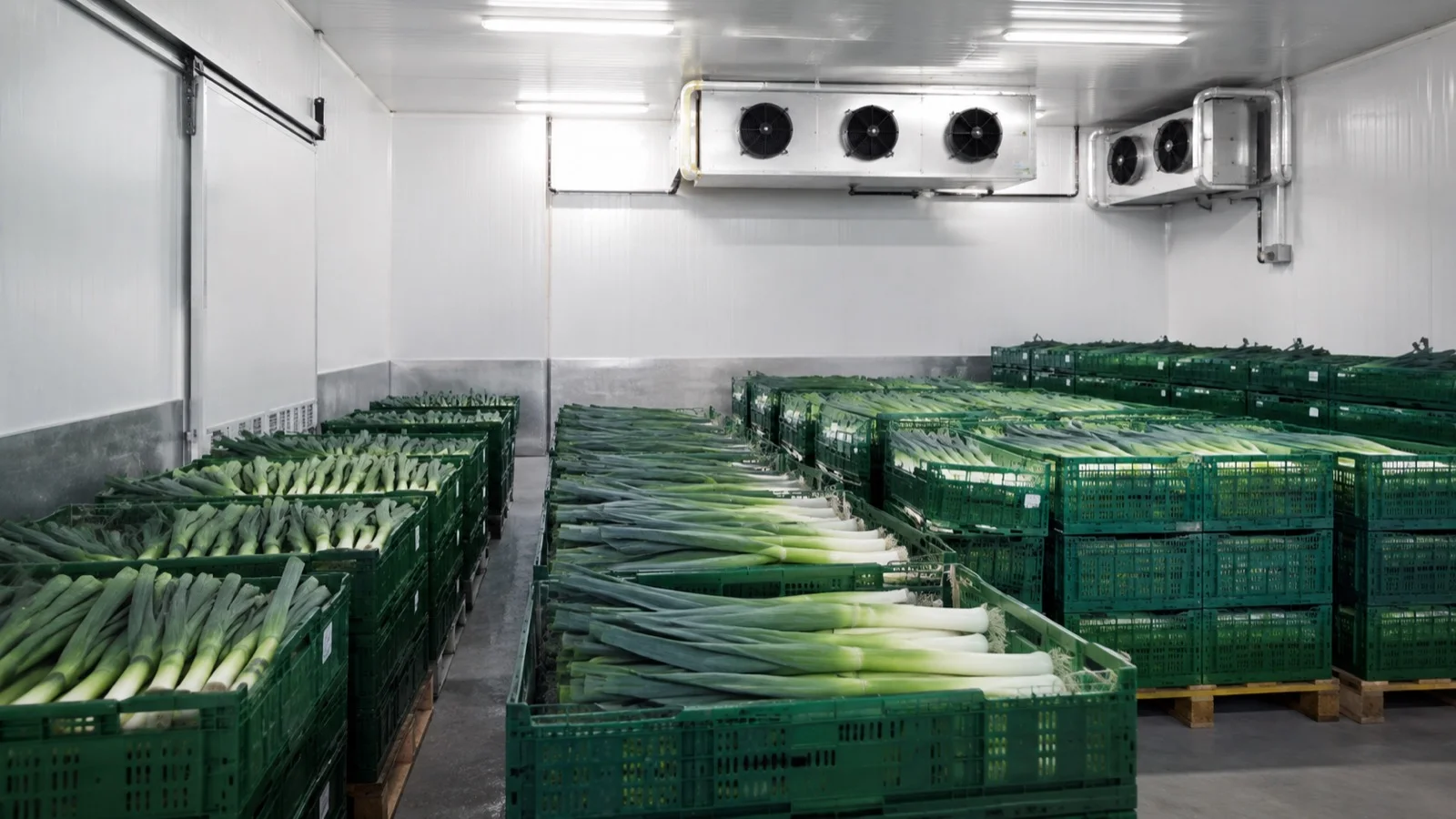
The demand for reliable fruit and vegetable cold storage is rising rapidly. With fresh produce spoilage increasing due to improper storage methods, investing in modern cold storage solutions is no longer optional—it’s a core requirement for profitability in the agricultural supply chain.
Cold storage reduces post-harvest losses, extends shelf life, increases market value, and ensures a stable supply of fresh produce year-round. But how much does it cost to set up such a facility, and what should investors consider before starting?
Below is a clear, SEO-optimized breakdown.
Why Cold Storage Is Essential
A well-designed cold storage facility helps:
-
Preserve the freshness, quality, and nutritional value of fruits and vegetables
-
Reduce post-harvest losses
-
Stabilize supply and increase profitability
-
Enable year-round distribution
-
Support export-quality produce handling
While the initial investment is significant, cold storage offers long-term returns, predictable revenue, and high business stability.
Investment Required: Key Factors
The cost of building a cold storage unit varies based on:
-
Capacity (tonnage)
-
Location and infrastructure
-
Single-product vs. multi-product storage
-
Type of cooling equipment and insulation
-
Automation level
-
Energy efficiency systems
-
Land cost (if applicable)
Single-Product Cold Storage
Lower investment
Suitable for potatoes, onions, apples, etc.
Multi-Product Cold Storage
Higher investment
Allows storing fruits, vegetables, dairy, meat, and pharmaceuticals
Offers higher returns and broader market opportunities
Major Cost Components
Your investment typically includes:
-
Construction of the cold storage building
-
Insulation panels (PIR/PUR)
-
Refrigeration units and compressors
-
Electrical installations
-
Backup generators
-
Monitoring and automation systems
-
Loading/unloading equipment
-
Design, engineering, and installation services
Because the cold storage market is highly technical, professional project planning is essential to avoid overspending or equipment mismatches.
Getting a Loan for Cold Storage Construction
Most entrepreneurs finance cold storage through bank loans. The process is straightforward:
Step 1 — Submit a Project Report
A detailed feasibility study including capacity, location, expected returns, and technical specifications.
Step 2 — Provide Business Documentation
Includes ownership details, financial statements, identification, and projected revenue.
Step 3 — Loan Review & Approval
Once approved, funds are credited to your designated account.
Tip: Government subsidies, tax benefits, and low-interest agricultural loans may significantly reduce total investment cost.
How to Use the Investment Correctly
If this is your first cold storage project:
-
Follow a realistic budget
-
Work with experienced engineers
-
Choose energy-efficient refrigeration systems
-
Ensure high-quality insulation (key to low operating costs)
-
Avoid over-investing in unnecessary features
Government programs often support cold storage development through:
-
Subsidies
-
Grants
-
Tax relief
-
Preferential loans
Why Consult Agrovent?
Agrovent specializes in turnkey cold storage projects and provides:
-
Professional feasibility analysis
-
Cost calculations
-
Engineering and design
-
Refrigeration system selection
-
Automation and monitoring solutions
-
Installation and long-term support
When you consult Agrovent, you receive:
-
A clear understanding of required investment
-
Accurate budgeting for equipment and construction
-
Insights into market trends and profitability
-
Expert guidance to ensure your investment pays off
CTA - Build Your Cold Storage Wisely
Interested in launching a profitable cold storage facility?
👉 Contact Agrovent for expert consultation
📞 Phone: +971504377119
📧 Email: info@agrovent.com
Our engineers will help you evaluate costs, choose the right equipment, and design a reliable, energy-efficient cold storage facility tailored to your business needs.



More articles
 New video: We take care of quality of your life
Take a part of our goals. Your choices matter.
News
New video: We take care of quality of your life
Take a part of our goals. Your choices matter.
News
 Smallholder farmers on the road to sustainable agriculture
What steps smallholder farmers are taking to adapt agriculture to climate changes and what should they learn from them?
News
Smallholder farmers on the road to sustainable agriculture
What steps smallholder farmers are taking to adapt agriculture to climate changes and what should they learn from them?
News
 Farming in space
Why are companies looking for viable farmland off Earth?
News
Farming in space
Why are companies looking for viable farmland off Earth?
News
 Aquaculture development: challenges and optimization of sustainable industry
Industry and agriculture are keys to achieving sustainable development goals, and many of them are direct in fisheries and aquaculture.
Microclimate
Aquaculture development: challenges and optimization of sustainable industry
Industry and agriculture are keys to achieving sustainable development goals, and many of them are direct in fisheries and aquaculture.
Microclimate
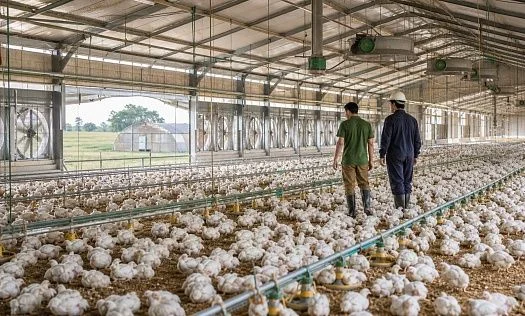 Why Poultry Data Systems Miss What the Birds Are Telling Us
Poultry production ranges from integrated networks to independent and family-run farms. Across these models, sensors measure the building — but not always how the flock experiences it.
News
Why Poultry Data Systems Miss What the Birds Are Telling Us
Poultry production ranges from integrated networks to independent and family-run farms. Across these models, sensors measure the building — but not always how the flock experiences it.
News
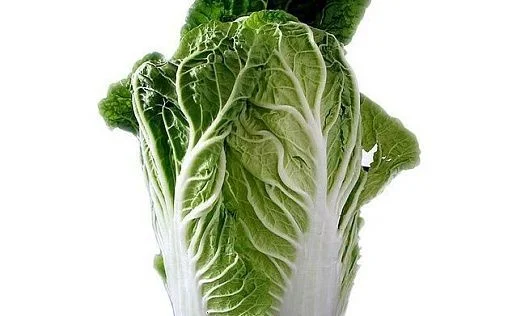 Napa cabbage. Storage parameters
earn optimal conditions for long-term napa cabbage storage: temperature, humidity, and controlled atmosphere. Ideal solutions for India, Africa, and Saudi Arabia
Napa cabbage. Storage parameters
earn optimal conditions for long-term napa cabbage storage: temperature, humidity, and controlled atmosphere. Ideal solutions for India, Africa, and Saudi Arabia

Leave your contacts and we will get back to you