Rethinking Potato Storage: How Fertilization Shapes Post-Harvest Quality

Rethinking Potato Storage: Does It Really Start with Fertilizer?
Every season farmers ask the same questions:
Why do tubers sprout too early?
Why do they lose weight in storage?
Why does rot spread, even with good ventilation?
Most immediately suspect the storage facility — airflow, cooling coils, humidity, or equipment settings. But here’s the uncomfortable truth:
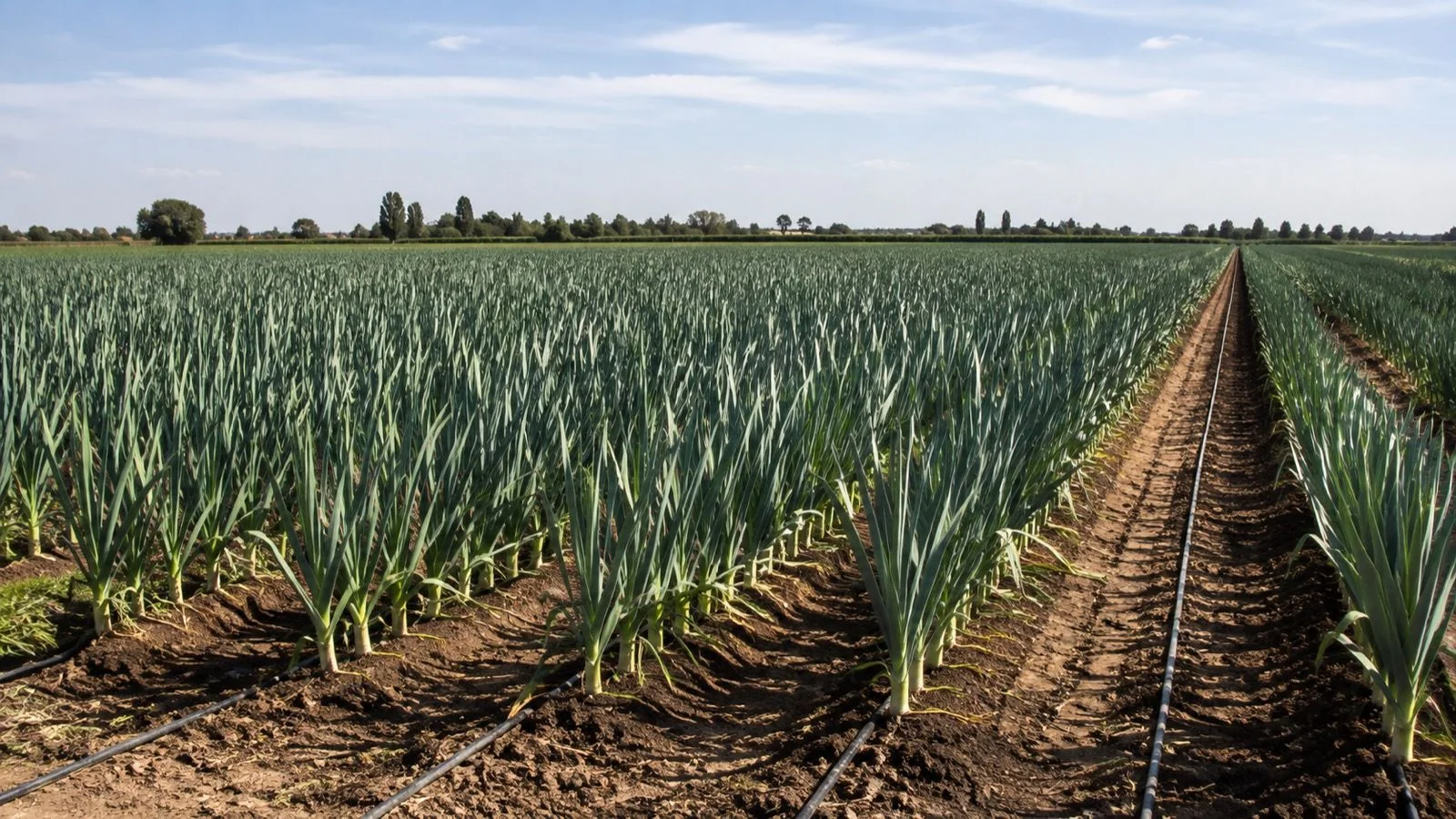
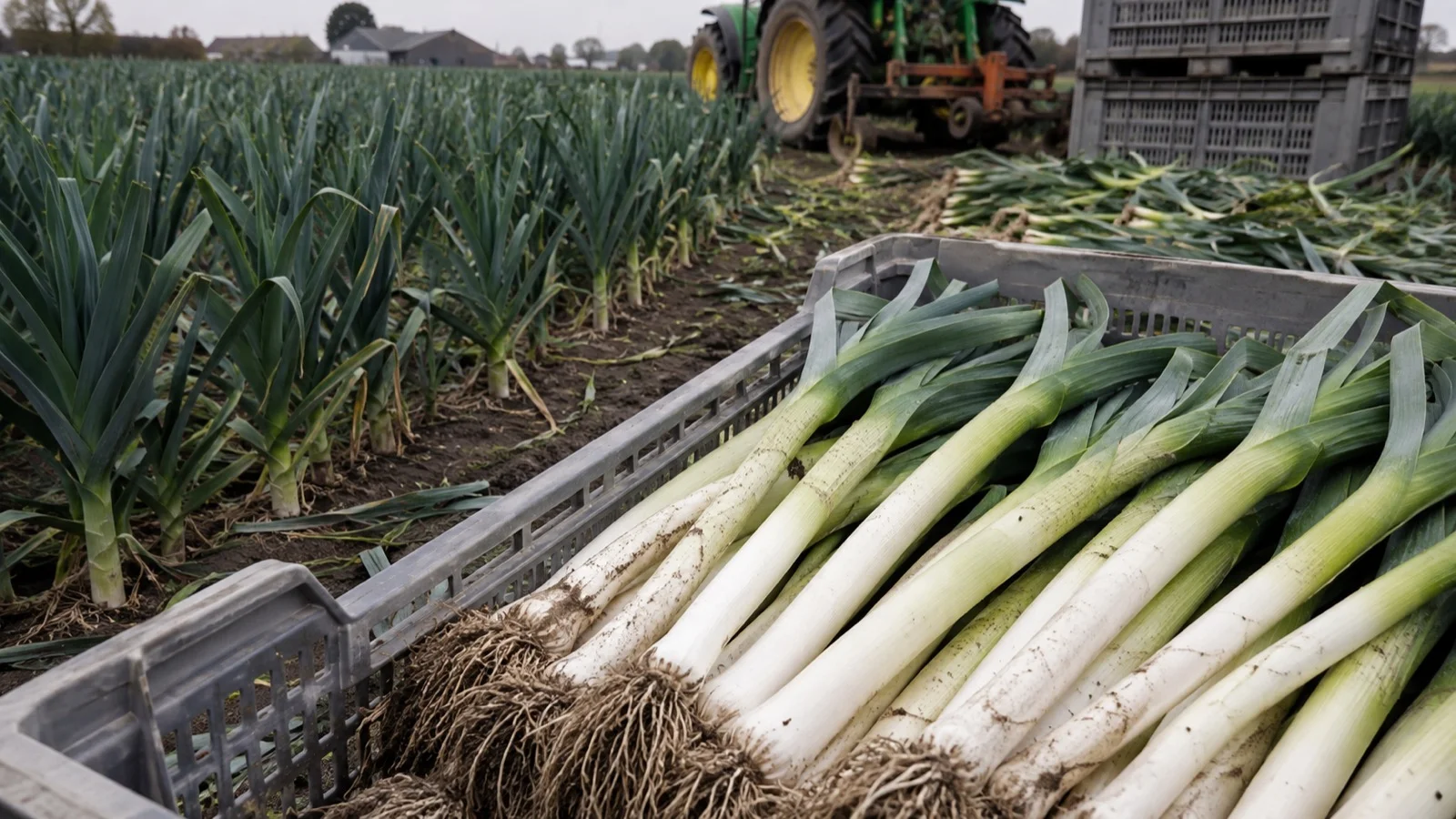
The foundation of potato storage performance is built in the field, not in the warehouse.
If tubers enter the storage physiologically weak, no amount of technology can fully compensate.
Physiological Maturity: The Real Deciding Factor
Potatoes that store well share three characteristics:
-
strong, fully matured skins,
-
high and stable dry matter,
-
balanced starch accumulation,
-
dense, elastic tissues resistant to dehydration and pathogens.
All of this is determined by the nutrition program.
Key nutrients that shape storability
Potassium (K)
→ Drives starch formation, firmness, dry matter, and water balance.
Balanced Nitrogen (N)
→ Too much late nitrogen = watery flesh, weak skins, rapid sprouting.
Calcium & Boron
→ Reinforce cell walls and strengthen periderm (skin).
Magnesium & Manganese
→ Support enzymatic stress resistance and stable photosynthesis during bulking.
In other words:
Nutrition determines maturity, and maturity determines storage life.
A Practical, Field-Ready Nutrition Roadmap
To build storability from the soil up, start with proper diagnostics:
1. Soil & Water Testing
Identify nutrient gaps, salinity issues, and chloride levels before planning the fertilizer program.
2. Pre-Planting
Apply organic matter plus phosphorus and potassium to build a strong root system.
3. Planting Stage
Use a balanced starter NPK enriched with essential micronutrients.
4. Bulking Phase (the critical window)
Apply foliar potassium, magnesium, and boron to drive starch accumulation and tissue strength.
5. Last 10–14 Days Before Harvest
Only calcium — absolutely no nitrogen.
This allows skins to set and tubers to harden for storage.
The Golden Rules for Storage-Ready Potatoes
✔ Avoid late nitrogen — it weakens cells, lowers dry matter, and triggers sprouting.
✔ Skip chloride-based potassium — chloride reduces keeping quality.
✔ Don’t chase yield at the expense of storability — oversized, watery tubers fail early.
✔ Target maturity, not just tonnage.
The Payoff: Better Storage, Lower Losses, Higher Profit
When potatoes enter storage fully matured and nutritionally balanced, everything that follows becomes easier:
-
lower respiration rate,
-
slower water loss,
-
better resistance to pathogens,
-
reduced sprouting,
-
more energy-efficient cooling,
-
higher marketable volume after months of storage.
In short:
Good nutrition makes storage technology more effective.
A Question Worth Asking
If storability is shaped in the field…
Should potato storage systems be engineered not from the warehouse wall — but from the fertilization plan?
At Agrovent, we believe the answer is yes.



More articles
 From Orchard to Bottle: How Apple Growers Can Profit from the Global Cider Boom
It’s apple season - and the question for many growers is what to do with all that abundance. One answer: cider. Around the world, cider is transforming from a niche beverage into a global trend. Here’s how apple farmers can tap into this growing market - and how Agrovent supports them from storage to production.
News
From Orchard to Bottle: How Apple Growers Can Profit from the Global Cider Boom
It’s apple season - and the question for many growers is what to do with all that abundance. One answer: cider. Around the world, cider is transforming from a niche beverage into a global trend. Here’s how apple farmers can tap into this growing market - and how Agrovent supports them from storage to production.
News
 Methods and ways of storing beet
Features of long-term storage of beets in a vegetable store
News
Methods and ways of storing beet
Features of long-term storage of beets in a vegetable store
News
 Mistakes storage
The maintenance of the quality of the product and its properties depends on the fixation of errors at each stage of the technological process
News
Mistakes storage
The maintenance of the quality of the product and its properties depends on the fixation of errors at each stage of the technological process
News
 Alex Samsonov interview
Alex Samsonov, a seasoned expert in vegetable and potato storage, shares insights from his years of experience designing and implementing innovative solutions. With a global perspective and a focus on both technical efficiency and economic viability, Alex offers practical advice for addressing the challenges of modern storage practices.
News
Alex Samsonov interview
Alex Samsonov, a seasoned expert in vegetable and potato storage, shares insights from his years of experience designing and implementing innovative solutions. With a global perspective and a focus on both technical efficiency and economic viability, Alex offers practical advice for addressing the challenges of modern storage practices.
News
 6 Key Challenges Facing Potato Growers - And How to Solve Them
Potato production is tougher than you think. From soil-borne nematodes to rising input costs, growers are battling on multiple fronts. In this article we unpack the six biggest challenges facing potato farms - and outline practical strategies to help you stay ahead.
News
6 Key Challenges Facing Potato Growers - And How to Solve Them
Potato production is tougher than you think. From soil-borne nematodes to rising input costs, growers are battling on multiple fronts. In this article we unpack the six biggest challenges facing potato farms - and outline practical strategies to help you stay ahead.
News
 Technologies and methods for storing onions in a vegetable store
Learn how to prepare onions for long-term storage with proper cleaning, drying, ventilation and microclimate control. Ideal for growers in India, Africa and Saudi Arabia. Contact Agrovent for professional onion storage systems.
Technologies and methods for storing onions in a vegetable store
Learn how to prepare onions for long-term storage with proper cleaning, drying, ventilation and microclimate control. Ideal for growers in India, Africa and Saudi Arabia. Contact Agrovent for professional onion storage systems.

Leave your contacts and we will get back to you