7 Major Causes of Fruit & Vegetable Spoilage in Storage — And How to Prevent Them

7 Major Causes of Fruit & Vegetable Spoilage in Storage - And How to Prevent Them
Long-term storage plays a critical role in preserving food quality, reducing waste, stabilizing prices, and ensuring year-round availability. Yet even well-built warehouses can suffer heavy losses if key risks are not managed properly. Below is a comprehensive overview of the seven main sources of post-harvest spoilage - and the corrective actions needed to maintain quality.
1. Mechanical Damage
Causes
-
Improper harvesting techniques
-
Rough handling during threshing, husking, cleaning, grading, drying
-
Traumatic transport (e.g., hooks, sharp tools, dropped bags)
Consequences
-
Weight loss
-
Visible quality deterioration (texture, nutritional value, appearance)
-
Higher vulnerability to fungi and insect infestation
Corrective Measures
-
Monitor maximum temperatures during drying
-
Harvest, transport, and store using gentle handling methods
-
Avoid hooks; repair damaged crates and bags
-
Inspect pallets regularly (e.g., remove protruding nails)
2. High Temperature
Causes
-
Poor storage design (lack of shade, poor ventilation, no insulation)
-
Rapid pest and fungal development
-
Insufficient air exchange
-
High ambient humidity
Consequences
-
Accelerated weight loss
-
Decreased nutritional and market quality
-
Favorable conditions for pests
-
Condensation → fungal growth
Corrective Measures
-
Use correct storage design and insulation
-
Provide shading (wide eaves, trees)
-
Maintain optimal temperature via ventilation
-
Apply pest-control treatments
-
Elevate bags/crates on pallets
-
Maintain 1 m clearance around all stacks
3. High Humidity
Causes
-
Inadequate drying before storage
-
High relative humidity inside the warehouse
-
Structural defects (cracks, leaks in roof, walls, floor)
-
Temperature fluctuations causing condensation
-
Pest-driven moisture increase
Consequences
-
Loss of quality and weight
-
Fungal development, mycotoxin formation
-
Swelling or sprouting
-
Damage to building structure
Corrective Measures
-
Dry produce thoroughly before storage
-
Repair/seal cracks, leaks, and structural defects
-
Maintain low RH (or use controlled atmosphere)
-
Keep products on pallets
-
Ensure 1 m spacing around stacks
-
Ventilate to reduce day/night temperature fluctuations
4. Insect Pests
Sources of Infestation
-
Contaminated lots
-
Cross-infestation from other storage units
-
Waste, garbage, and organic residues
-
Infested bags, crates, or pallets
Consequences
-
Weight loss
-
Contamination (droppings, cocoons, frass, insect parts)
-
Reduced nutritional value
-
Increased temperature and humidity in the warehouse
Corrective Measures
-
Harvest at the right maturity
-
Select pest-resistant varieties
-
Clean all transportation equipment
-
Remove infected produce before storage
-
Ensure crops are fully dry
-
Inspect all incoming lots
-
Clean the storage area daily
-
Keep temperature & RH low (controlled atmosphere if possible)
-
Seal windows, doors, vents
-
Repair damage immediately
-
Separate old and new lots
-
Disinfect or treat crates/bags
-
Rotate stock using first-in, first-out (FIFO)
5. Microorganisms
Causes of Contamination
-
High moisture content in stored produce
-
High RH inside the storage chamber
-
Condensation on surfaces
-
Moisture accumulation due to insects
Consequences
-
Loss of taste, smell, color
-
Reduced nutritional value
-
Formation of mycotoxins
-
Weight loss from mold
-
Higher heat and humidity levels → more spoilage
Corrective Measures
-
Dry produce well before storage
-
Maintain low RH (or use CA storage)
-
Place goods on pallets
-
Keep at least 1 m airspace around stacks
-
Use pest control measures to prevent secondary moisture
6. Rodents
Causes of Infestation
-
Entry through unsealed windows, vents, gaps
-
Poor sanitation around the warehouse
-
No structural barriers
Consequences
-
Weight loss
-
Serious contamination (urine, droppings)
-
Transmission of diseases (typhoid, hepatitis, plague, etc.)
-
Damage to bags, crates, doors, wiring
Corrective Measures
-
Seal all entry points
-
Maintain strict hygiene indoors and outdoors
-
Install traps and rodent barriers
-
Conduct regular rodent-control treatments
7. Birds
Causes
-
Open or broken doors, windows, vents, roofing
Consequences
-
Weight loss
-
Damage to bags or crates
-
Contamination with droppings and pathogens
Corrective Measures
-
Repair structures and install nets or grilles
-
Remove nests from the facility and surrounding area
Conclusion
Preventing spoilage in long-term storage requires a combination of proper design, good post-harvest handling, structural maintenance, and strict hygiene. By addressing these seven critical risks, storage operators can dramatically reduce losses - often from 20–40% down to under 5%.



More articles
 Existing building reconstruction
The question of the necessity of reconstruction should be studied in a complex, because its cost can be equal to the cost of the building a new one...
News
Existing building reconstruction
The question of the necessity of reconstruction should be studied in a complex, because its cost can be equal to the cost of the building a new one...
News
 Cold Storage as a Business: Rental Model for Fruit and Vegetable Storage
Cold storage isn’t just infrastructure - it’s a business. Around the world, rental cold rooms are becoming essential assets for farmers, traders, and exporters who need professional storage without the cost of building their own facilities. Here’s how the rental model works, why it’s profitable, and where it’s growing fastest.
News
Cold Storage as a Business: Rental Model for Fruit and Vegetable Storage
Cold storage isn’t just infrastructure - it’s a business. Around the world, rental cold rooms are becoming essential assets for farmers, traders, and exporters who need professional storage without the cost of building their own facilities. Here’s how the rental model works, why it’s profitable, and where it’s growing fastest.
News
 How to prepare the vegetable storehouse for the potato storage season?
Learn how to prepare storage facilities, manage curing, prevent diseases, and handle potatoes correctly to ensure long-term quality and minimal losses
News
How to prepare the vegetable storehouse for the potato storage season?
Learn how to prepare storage facilities, manage curing, prevent diseases, and handle potatoes correctly to ensure long-term quality and minimal losses
News
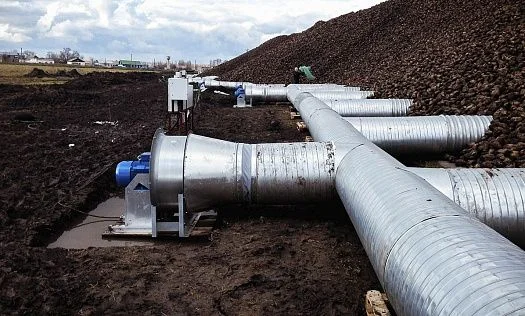 Airflow resistance of sugar beets
Learn how root size, debris, airflow direction, and packing density impact airflow resistance in sugar beet piles. Use data-driven design to size fans, avoid hot spots, and reduce sugar losses during 100–120 days of storage.
Harvest
Airflow resistance of sugar beets
Learn how root size, debris, airflow direction, and packing density impact airflow resistance in sugar beet piles. Use data-driven design to size fans, avoid hot spots, and reduce sugar losses during 100–120 days of storage.
Harvest
 Why Do Potato Sprouts Sometimes Grow Inward During Storage?
Inward potato sprouting occurs from storage stress - not genetics. Stable temperature, humidity, and ventilation prevent damage and preserve quality.
News
Why Do Potato Sprouts Sometimes Grow Inward During Storage?
Inward potato sprouting occurs from storage stress - not genetics. Stable temperature, humidity, and ventilation prevent damage and preserve quality.
News
 Potato dormancy condition
How does the dormancy period affect the shelf life of potatoes?
Potato dormancy condition
How does the dormancy period affect the shelf life of potatoes?

Leave your contacts and we will get back to you