Prolonging the life of seeds
Prolonging the life of seeds
Experiments conducted by Wageningen University have shown that along with low humidity and temperature, anoxia (lack of oxygen) is the third important factor that can be used to extend the shelf life of seeds. During storage, the oxidation of seeds occurs, stimulated by oxygen. The first experiments showed that seeds stored in an oxygen-free environment are much better preserved in certain cases. Seed companies initially hesitated about using anoxia, worried about whether seeds, being living organisms, could survive without oxygen.
Survival of primed seeds
To answer this question, an experiment was conducted with primed celery seeds. Priming is a process in which seeds are soaked to initiate germination processes and then dried until the root appears. Primed seeds germinate faster and more evenly. However, priming reduces the shelf life of seeds.Without oxygen: long seed life!
The survival rate of seeds after 3 weeks of storage at a temperature of 35°C, with and without removal of moisture and oxygen, was analyzed.This experiment confirmed that seeds can survive perfectly well without oxygen when they are in a dry state, since respiration is not active in such conditions. When wet, the seeds need oxygen, because in this case they begin to breathe. Currently, research is underway to determine the critical humidity level for storage in anoxic conditions.Improving seed longevity in the tropics
These findings are particularly interesting for seed storage in tropical climates, where storage in a cool place is expensive. Low-oxygen storage may also have advantages in temperate regions for seeds that typically have a short shelf life, such as lettuce or onion seeds, or primed seeds. In addition, such storage can have a beneficial effect on the shelf life of microorganisms contained in seeds or added to seeds as biological substances.
Long-term storage
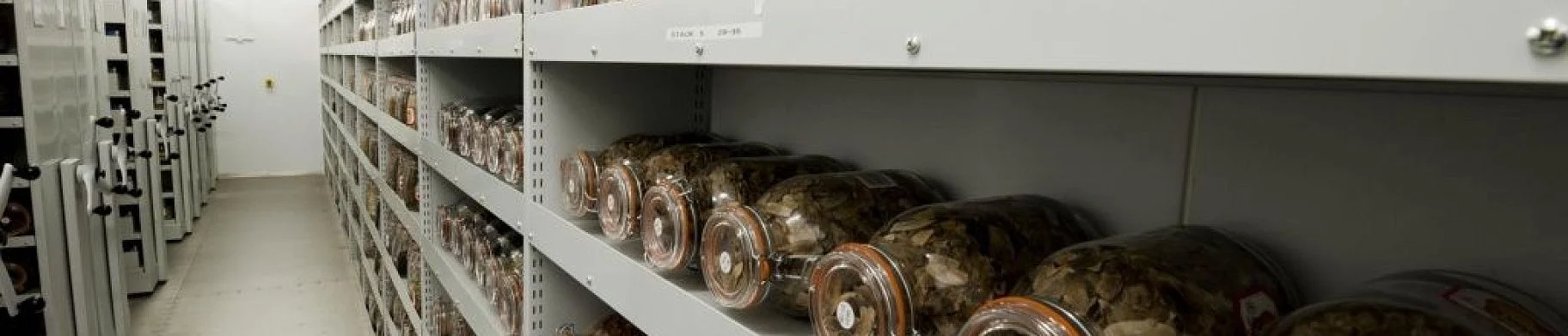
Gene banks store seeds of old varieties and wild relatives of crops as a genetic heritage for future generations. Preferably, the seeds can be stored for decades without loss of viability. Unfortunately, many gene banks are forced to carry out frequent regeneration due to the deterioration of seed quality too quickly. One of the reasons for this may be that glass jars are used during storage, from which seeds are removed from time to time.
This creates a dilemma: on the one hand, you want to be able to supply seeds on demand, but on the other hand, storage jars need to be opened as rarely as possible to minimize any deterioration in seed quality. If it were possible to remove oxygen from cans of seeds after opening them, the seeds would retain their quality much longer. The solution is to remove most of the oxygen by vacuum packing in sealed foil bags.
Even more information about storage and more can be found in our blog as well as in telegram channel ! We also suggest watching a video about the Millennium seed bank below:



More articles
 How to reduce post-harvest losses most effectively and quickly?
Discover sustainable cold storage and mobile berry cooling solutions that cut food loss, reduce CO₂ emissions, and protect harvests in hot climates.
Harvest
How to reduce post-harvest losses most effectively and quickly?
Discover sustainable cold storage and mobile berry cooling solutions that cut food loss, reduce CO₂ emissions, and protect harvests in hot climates.
Harvest
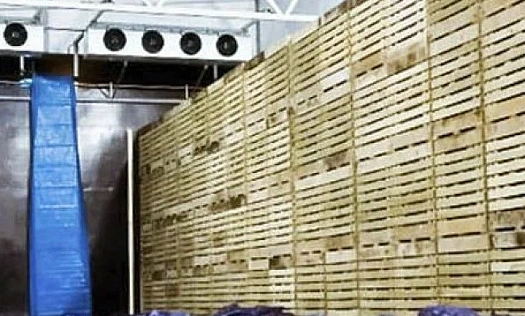 Potato Storage in Bags vs Boxes: What Changes for Indian Operators?
A practical comparison of bag and box potato storage in India: airflow, handling damage, batch traceability, chamber capacity, labour and market access.
News
Potato Storage in Bags vs Boxes: What Changes for Indian Operators?
A practical comparison of bag and box potato storage in India: airflow, handling damage, batch traceability, chamber capacity, labour and market access.
News
 Methods and ways of storing beet
Features of long-term storage of beets in a vegetable store
News
Methods and ways of storing beet
Features of long-term storage of beets in a vegetable store
News
 How does the ventilation of the vegetable store affect the quality of the potatoes?
Learn how proper ventilation improves wound healing, prevents rot, stabilizes CO₂ levels, and protects potato quality in long-term storage facilities
News
How does the ventilation of the vegetable store affect the quality of the potatoes?
Learn how proper ventilation improves wound healing, prevents rot, stabilizes CO₂ levels, and protects potato quality in long-term storage facilities
News
 Vegetable storage technology
Learn how to choose the right vegetable storage technology. Explore bulk and container systems, airflow methods, and microclimate control for long-term crop preservation.
News
Vegetable storage technology
Learn how to choose the right vegetable storage technology. Explore bulk and container systems, airflow methods, and microclimate control for long-term crop preservation.
News
 How to prevent storage potato diseases?
Prevention of potato diseases. Tools for managing potato storage
How to prevent storage potato diseases?
Prevention of potato diseases. Tools for managing potato storage

Leave your contacts and we will get back to you