Why Do Potato Sprouts Sometimes Grow Inward During Storage?
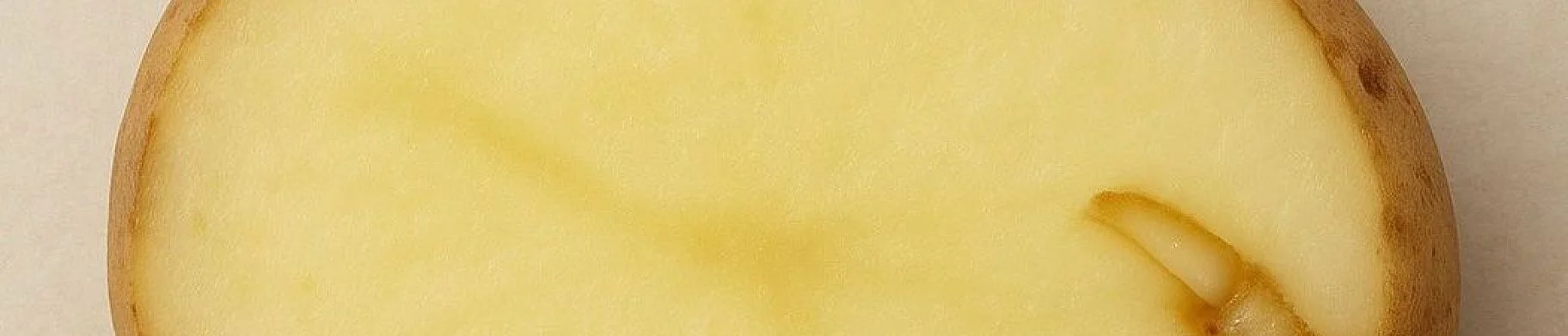
Why Do Potato Sprouts Sometimes Grow Inward During Storage?
Inward sprouting in stored potatoes is not a genetic feature of the variety — it’s a physiological reaction to stress caused by an unbalanced storage climate. This effect usually occurs when key parameters are outside the optimal range:
- Relative humidity remains above 95% for extended periods;
- Oxygen concentration drops while CO₂ levels increase;
- Air circulation and ventilation are insufficient;
- The temperature falls below +2 °C, causing chilling stress.
Under healthy storage conditions, sprouts emerge from the potato’s eyes and grow outward toward the oxygen source. However, when oxygen becomes limited and carbon dioxide accumulates, the physiological gradient reverses — sprouts begin to grow inward, following moisture and internal respiration zones rather than the external environment.
Another reason for inward sprouting can be cold injury. When the meristematic tissue at the eye tip is damaged by temperatures below +2 °C, new growth initiates from inner cells. This results in short, thickened sprouts forming just beneath the skin layer.
Long-term storage (beyond 10–12 months) can also lead to this phenomenon. As starch reserves deplete and cellular turgor declines, the tuber’s internal temperature and moisture gradients dictate sprout direction — not light or oxygen. The result: distorted, inward-growing shoots that signal fatigue in the tuber’s physiological system.
How to Prevent Inward Sprouting
- Maintain temperature at +3…+5 °C for table potatoes, +2…+4 °C for seed potatoes, and +7…+9 °C for industrial processing types.
- Keep relative humidity between 93–95%; brief peaks up to 98% are acceptable but should not persist.
- Ensure continuous and balanced air circulation throughout the entire storage room.
- Regularly monitor CO₂ and ethylene concentrations — excessive levels slow respiration and promote internal sprout formation.
When temperature, humidity, and gas balance remain stable, sprouts develop naturally — growing outward, not inward. This visible behavior is one of the best indicators that the microclimate system is properly configured and working efficiently.
Note: CIPC (chlorpropham) itself does not cause inward sprouting. However, under unfavorable storage conditions — such as high humidity, cooling below setpoint, or lack of airflow — it may amplify the problem by suppressing outer buds and forcing growth from deeper layers of tissue.



More articles
 Technologies and methods for storing onions in a vegetable store
Learn how to prepare onions for long-term storage with proper cleaning, drying, ventilation and microclimate control. Ideal for growers in India, Africa and Saudi Arabia. Contact Agrovent for professional onion storage systems.
News
Technologies and methods for storing onions in a vegetable store
Learn how to prepare onions for long-term storage with proper cleaning, drying, ventilation and microclimate control. Ideal for growers in India, Africa and Saudi Arabia. Contact Agrovent for professional onion storage systems.
News
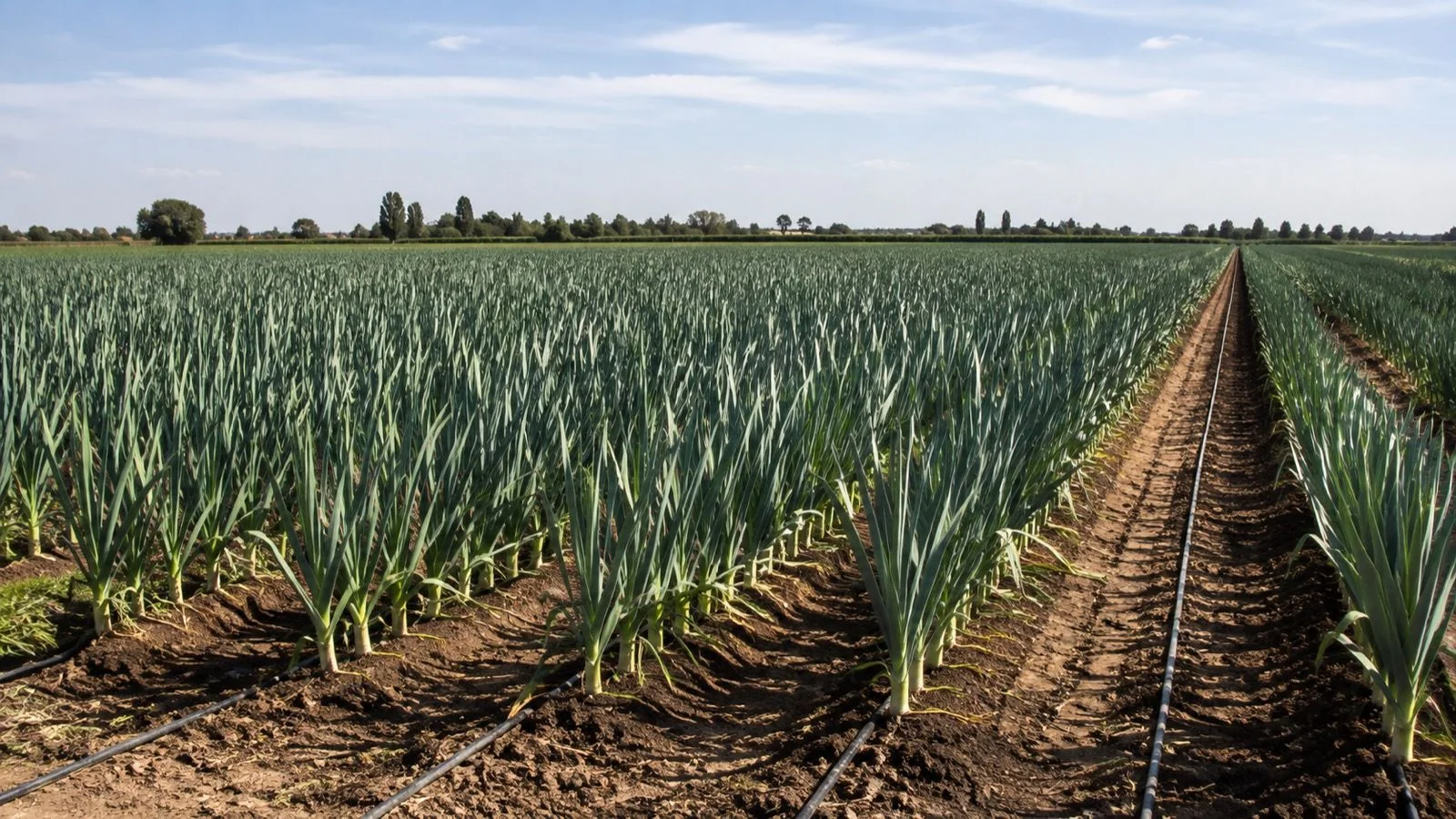
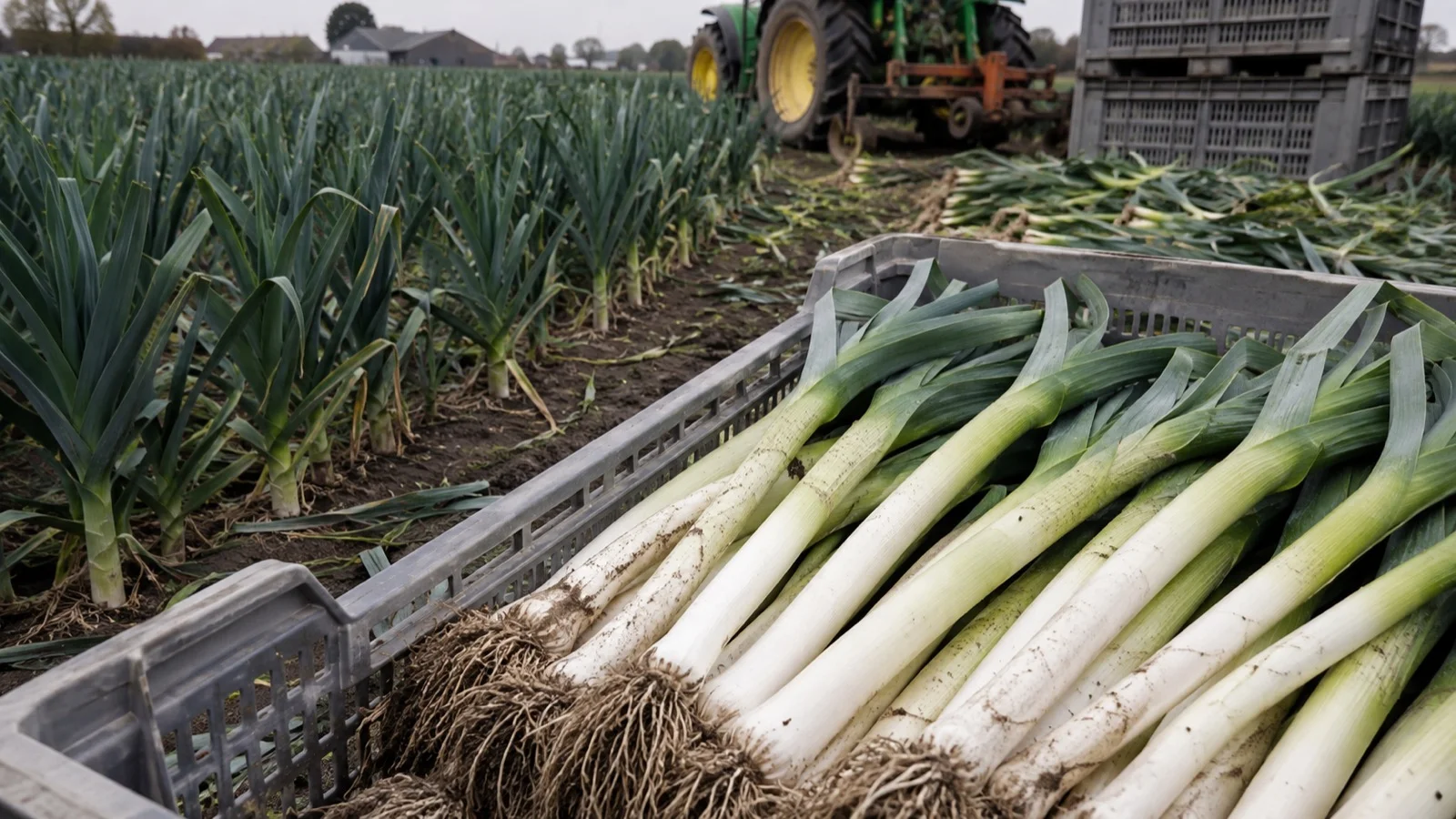
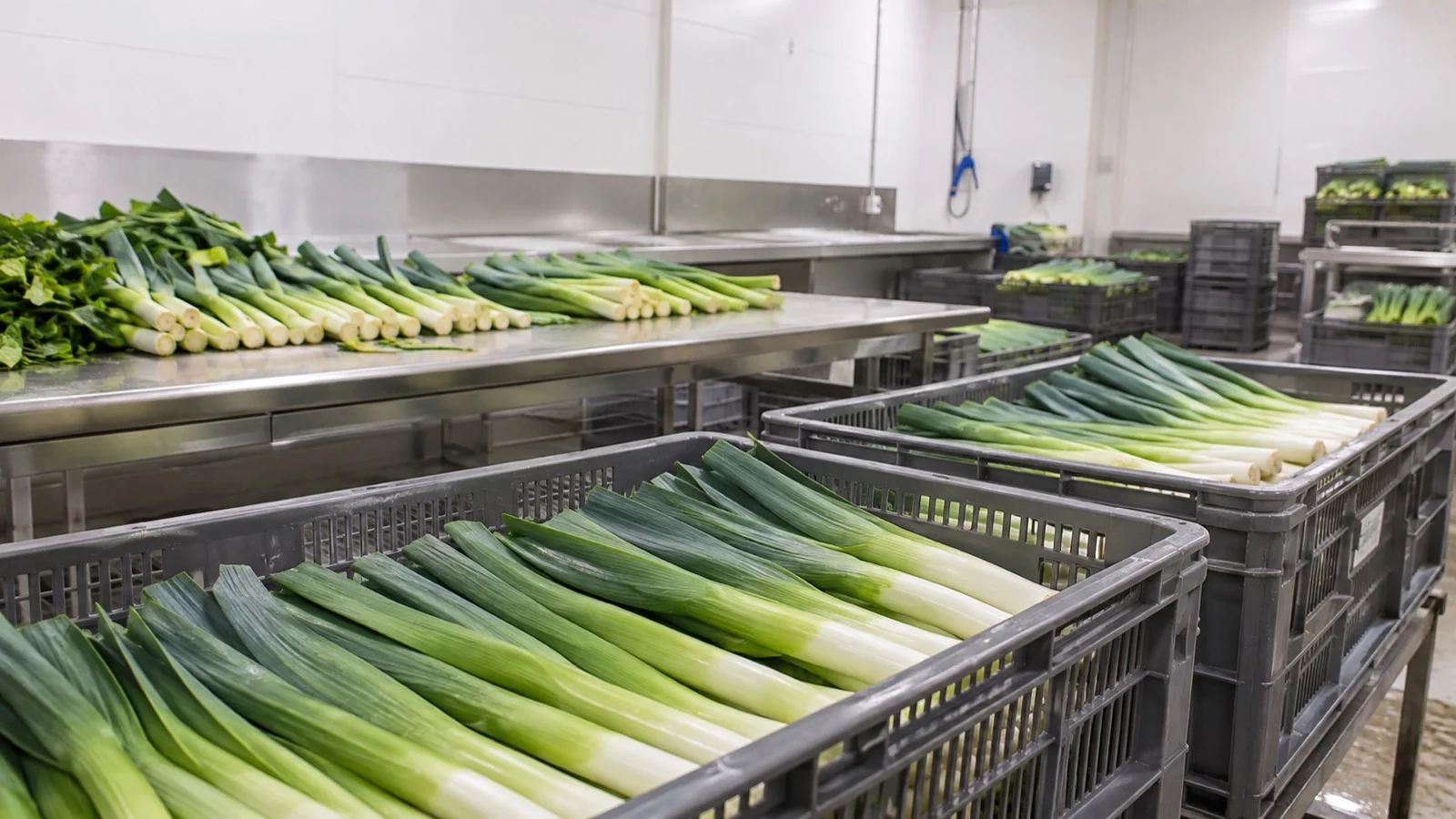
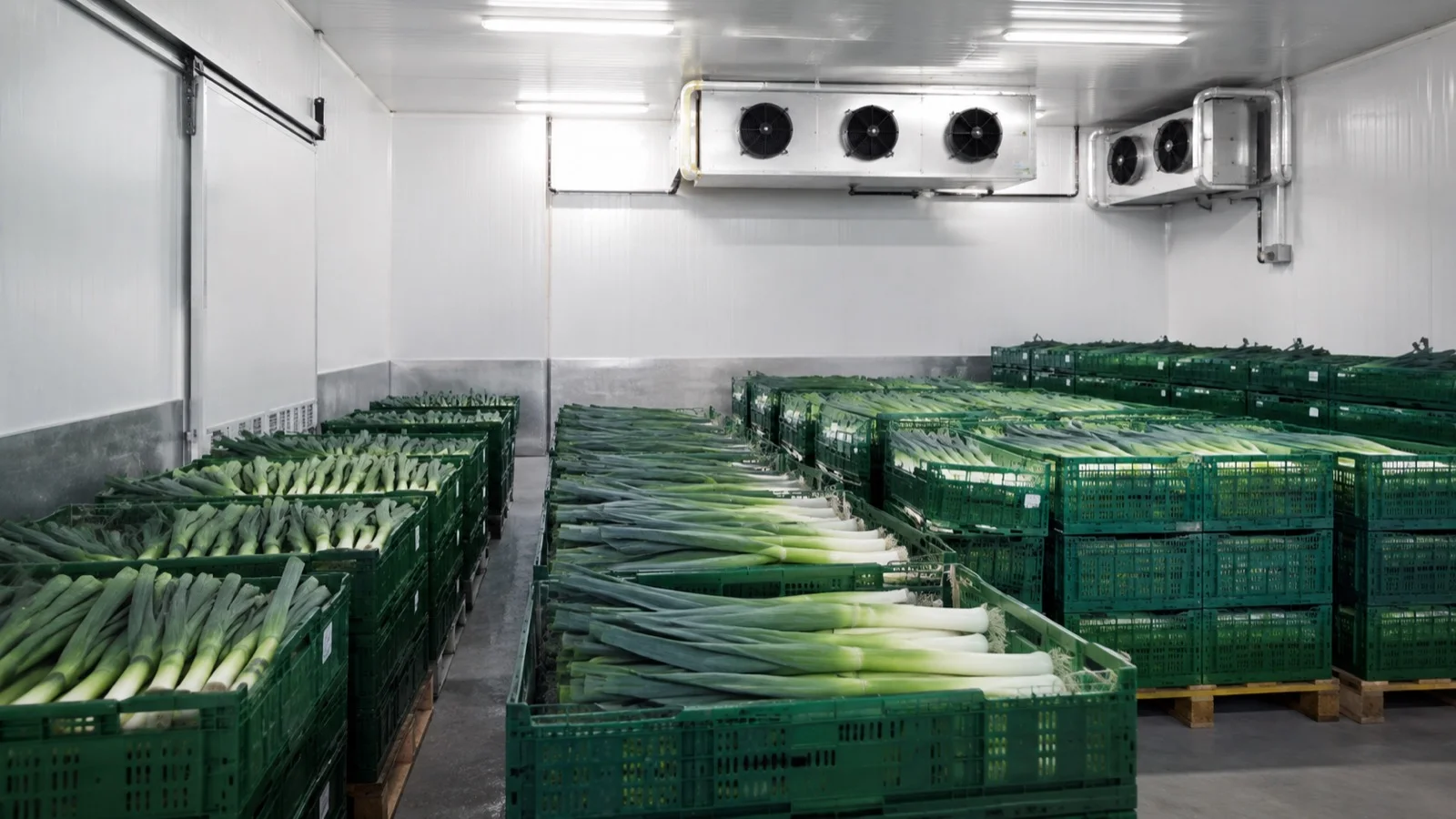
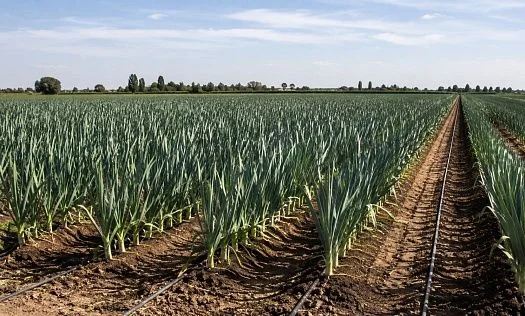 Growing, Harvesting and Storing Leeks
Professional guide to leek cultivation, harvest handling and storage: field requirements, nutrition, trimming, cooling, humidity control and post-harvest climate engineering.
News
Growing, Harvesting and Storing Leeks
Professional guide to leek cultivation, harvest handling and storage: field requirements, nutrition, trimming, cooling, humidity control and post-harvest climate engineering.
News
 Why broiler business is a good business idea?
Factors influencing the commercial attractiveness of a business idea for breeding broilers for meat
News
Why broiler business is a good business idea?
Factors influencing the commercial attractiveness of a business idea for breeding broilers for meat
News
 Long-term storage tips for fruits and vegetables
Learn how to extend the shelf life of fruits and vegetables with proper cooling, ethylene management and post-harvest storage technology. Ideal solutions for growers in India, Africa and Saudi Arabia. Contact Agrovent for modern fruit and vegetable storage systems.
News
Long-term storage tips for fruits and vegetables
Learn how to extend the shelf life of fruits and vegetables with proper cooling, ethylene management and post-harvest storage technology. Ideal solutions for growers in India, Africa and Saudi Arabia. Contact Agrovent for modern fruit and vegetable storage systems.
News
 Storing peaches
Learn how to harvest, cool, and store peaches for long-term quality. Ripeness stages, ULO parameters, humidity control, temperature uniformity, and post-harvest handling for premium shelf life.
News
Storing peaches
Learn how to harvest, cool, and store peaches for long-term quality. Ripeness stages, ULO parameters, humidity control, temperature uniformity, and post-harvest handling for premium shelf life.
News
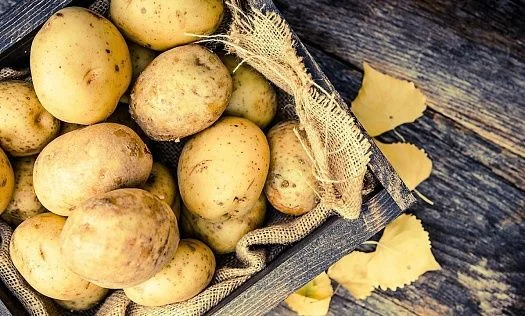 Potatoes. Storage parameters
Learn optimal potato storage conditions: temperature, humidity, CO₂ control, and bulk height. Engineered solutions for India, Africa, and Saudi Arabia.
Potatoes. Storage parameters
Learn optimal potato storage conditions: temperature, humidity, CO₂ control, and bulk height. Engineered solutions for India, Africa, and Saudi Arabia.

Leave your contacts and we will get back to you