Potato storage diseases
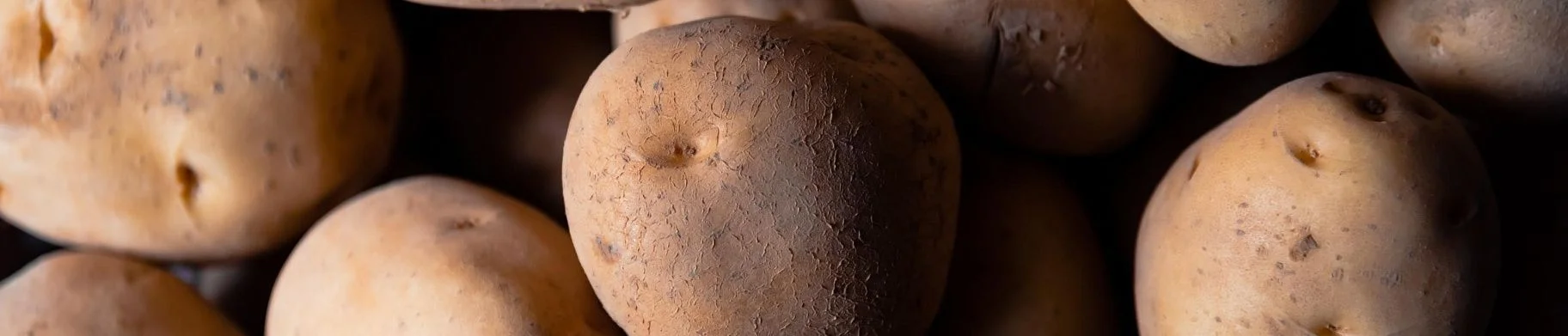
Potato Storage Diseases: Identification, Diagnosis & Loss Prevention
Across many agricultural regions, long-term potato storage losses average 5–10%, and in some facilities this number is significantly higher. The main culprit is storage disease—and although these diseases cannot be cured, their spread can be controlled. Effective management always begins with accurate identification of the pathogen.
Below is a practical guide to understanding, diagnosing, and managing the most common potato storage diseases.
How to Diagnose Storage Diseases Correctly
Accurate diagnostics require selecting the right sample:
-
Choose partially rotten tubers, where at least half the tissue is still healthy.
-
Fully decomposed potatoes rarely reveal the initial infection.
-
Collect several dozen tubers from each affected zone.
-
Slice the tubers and inspect all wounds, abrasions, and potential pathogen entry points.
Note: Many diseases do not appear exactly as in textbooks—professional diagnostics may be required.
Major Potato Storage Diseases
1. Pink Rot — Phytophthora erythroseptica
Symptoms:
-
Skin darkens, but tuber maintains shape.
-
Flesh becomes rubbery, similar to a cooked potato.
-
Tissue turns pink after exposure to air (15–40 minutes depending on temperature).
-
Strong ammonia-like odor often present.
Healthy tissue can also pink slightly from oxidation—use the smell test for confirmation.
2. Pythium Leak (Wet Rot) — Pythium spp.
Symptoms:
-
When pressed, the tuber releases clear liquid.
-
Interior becomes gray-brown to black; the skin often remains intact.
-
Infection begins through tiny surface wounds.
3. Late Blight Tuber Rot — Phytophthora infestans
Symptoms:
-
Dry, granular, reddish-brown rot spreading inward from the skin.
-
Tissue feels firm, not mushy.
-
Removing the skin reveals characteristic reddish discoloration.
Expert confirmation is recommended.
4. Dry Rot — Fusarium sambucinum, F. coeruleum
Symptoms:
-
Brown, crumbly tissue with cavity formation.
-
White fungal coating at advanced stages.
-
Early lesions:
-
F. coeruleum: pale yellow-brown.
-
-
Infection spreads radially from the initial entry point.
Tubers eventually shrivel but early tissue remains deceptively firm.
5. Wet Rot (Soft Rot) — Erwinia carotovora
Most destructive of all storage diseases
Symptoms:
-
Brown, water-soaked, mushy tissue sharply bordered from healthy parts.
-
Black or dark edges around lesions.
-
Tubers collapse easily → rapid formation of “hot spots”.
High temperatures and low oxygen accelerate spread. Soft rot can destroy an entire storage room within days if unmanaged.
6. Silver Scurf — Helminthosporium solani
Symptoms:
-
Gray or silver patches across the tuber surface.
-
Two stages: field phase + storage phase.
-
Can cover the entire tuber in severe cases.
-
Infected tubers lose moisture faster than healthy ones.
Does not cause rot but significantly reduces marketability.
7. Black Dot — Colletotrichum coccodes
Symptoms:
-
Early lesions resemble silver scurf.
-
Over time, patches darken and deepen.
-
Black microsclerotia visible under magnification.
8. Alternaria (Early Blight) — A. solani, A. alternata
Symptoms:
-
Shallow, dry, gray-black lesions with moist yellow edges.
-
Common when immature tubers are harvested from sandy soils.
Final Note
Correct identification is the first and most important step in protecting potatoes during long-term storage. In our next article, we will explain how to prevent these diseases with harvesting practices, curing techniques, and microclimate management.
Stay tuned!
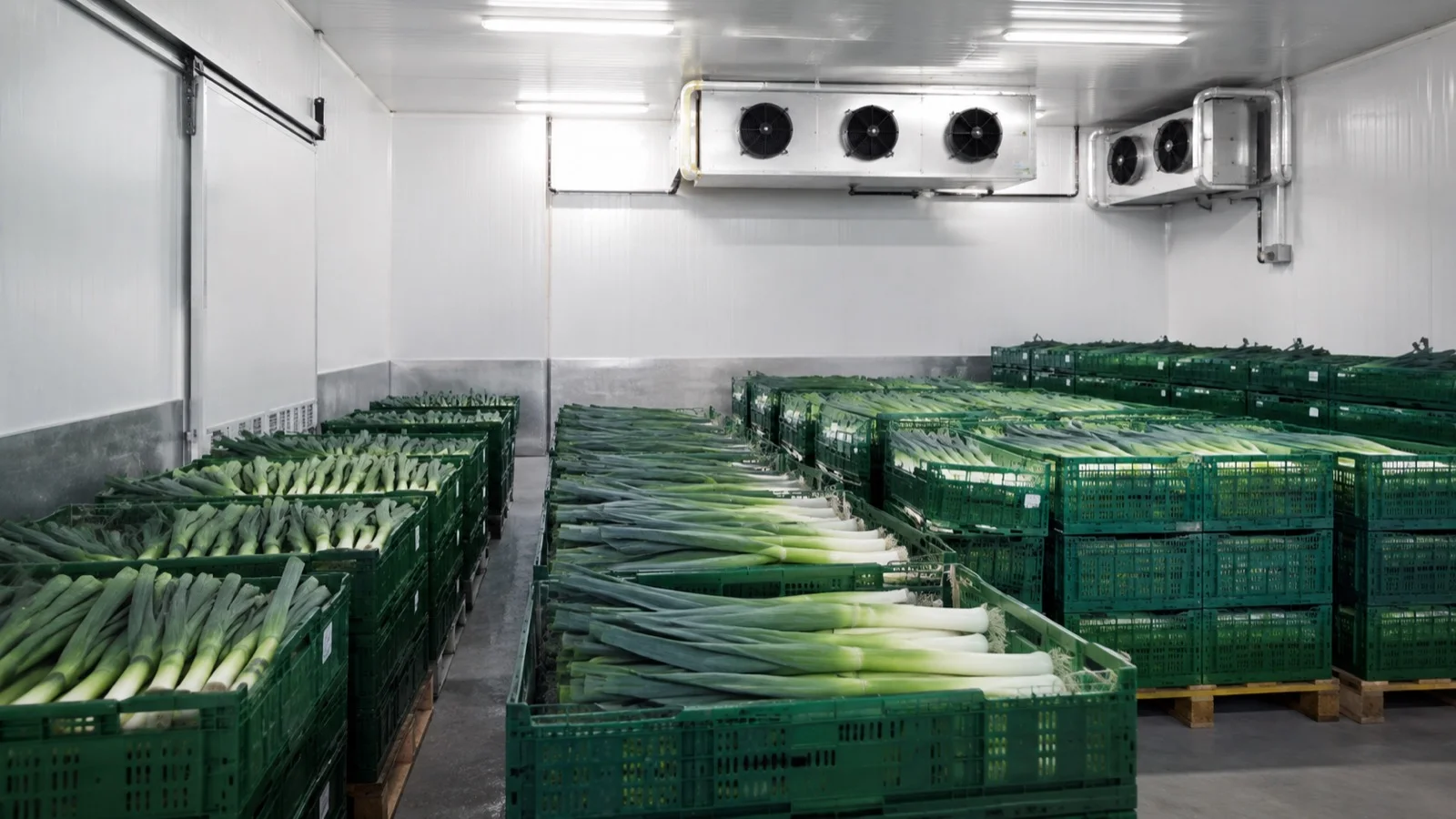
Want to reduce potato storage losses and upgrade your facility? Agrovent designs and builds climate-controlled storage systems tailored to crop type, climate zone, and market requirements.
📞 +971 50 437 7119
📩 info@agrovent.com
Or contact our engineering team through the form on our website to get a customized technical solution.



More articles
 Things to keep in mind when building a vegetable storage
Learn the essential factors to consider when planning a vegetable storage facility: technology choice, layout, location, regulations and budgeting. Ideal for projects in India, Africa and Saudi Arabia. Contact Agrovent for expert storage design and engineering
Harvest
Things to keep in mind when building a vegetable storage
Learn the essential factors to consider when planning a vegetable storage facility: technology choice, layout, location, regulations and budgeting. Ideal for projects in India, Africa and Saudi Arabia. Contact Agrovent for expert storage design and engineering
Harvest
 Potassium Before Carrot Harvest: The Hidden Key to Long-Term Storage Success
Carrot season doesn’t end at harvest -t continues in storage. The secret to keeping carrots crisp, sweet, and market-ready for months lies in one invisible element: potassium. Here’s why every grower should make it a key part of pre-harvest nutrition.
News
Potassium Before Carrot Harvest: The Hidden Key to Long-Term Storage Success
Carrot season doesn’t end at harvest -t continues in storage. The secret to keeping carrots crisp, sweet, and market-ready for months lies in one invisible element: potassium. Here’s why every grower should make it a key part of pre-harvest nutrition.
News
 Prolonging the life of seeds
These findings are particularly interesting for seed storage in tropical climates, where storage in a cool place is expensive.
News
Prolonging the life of seeds
These findings are particularly interesting for seed storage in tropical climates, where storage in a cool place is expensive.
News
 Methods and ways of storing beet
Features of long-term storage of beets in a vegetable store
News
Methods and ways of storing beet
Features of long-term storage of beets in a vegetable store
News
 Farming in space
Why are companies looking for viable farmland off Earth?
News
Farming in space
Why are companies looking for viable farmland off Earth?
News
 Efficient Beet Storage and Ventilation Systems by Agrovent
Required equipment, features and benefits.
Efficient Beet Storage and Ventilation Systems by Agrovent
Required equipment, features and benefits.

Leave your contacts and we will get back to you