Things to keep in mind when building a vegetable storage

Key Factors to Consider When Planning a Vegetable Storage Facility
When planning a vegetable storage project, every detail matters. Overlooking even small factors can lead to higher losses during operation — or force costly reconstruction later. Proper planning not only protects your harvest, but also ensures long-term profitability.
The development stage is where everything begins. At this point you must analyze:
-
which crops will be stored
-
how much volume you plan to handle
-
whether additional buildings or specialized rooms are required for each crop
The design, size and configuration of your storage facility will depend entirely on these inputs. The planned storage period is especially critical because it affects construction technology, budgeting and operational cost. Long-term storage generally increases the resale value of produce — but it also comes with higher risk. Any mistakes made during construction will become far more noticeable with time.
Choosing the Right Storage Technology
Your storage technology must match the type of produce you intend to preserve. This decision should be made early, because storage type influences:
-
internal layout
-
microclimate equipment
-
container types
-
air distribution systems
-
future expansion possibilities
Selecting the wrong system can compromise shelf life and lead to significant product losses.
Location Strategy: Farm vs. Distribution Hub
The primary function of your storage determines where it should be built.
-
Growers benefit from placing storage close to the fields. This reduces transport time, minimizes mechanical damage and cuts post-harvest losses.
-
Distributors and exporters are better off building closer to cities, markets, ports or highways to optimize logistics.
Regulatory and Compliance Considerations
Before finalizing your project, consider your relationship with government agencies and local authorities.
-
Storage facilities under 1,500 m² typically do not require government expert review.
-
However, if you plan to participate in state subsidy programs, investment grants or equipment leasing programs, additional design requirements and inspections will apply.
Understanding these rules early prevents delays during construction and commissioning.
Contractors, Equipment and Budgeting
Your choice of:
-
building contractor
-
engineering company
-
ventilation or refrigeration supplier
-
microclimate system designer
…should align with all the factors above.
The final project budget will depend on:
-
staffing requirements
-
energy consumption
-
type of refrigeration and ventilation systems
-
storage capacity and expansion plans
-
construction timeline
-
operational efficiency
A well-planned storage facility not only preserves produce — it becomes a long-term business asset.
To Make Your Planning Easier
We’ve created a complete checklist covering all the factors you should evaluate when designing or building a vegetable storage facility.
Need Help Designing a Modern Vegetable Storage?
Our engineers develop turnkey solutions for all climate zones - from India and Africa to the Gulf region.
📞 Call: +971 50 437 7119
📧 Email: info@agrovent.com



More articles
 Aquaculture development: challenges and optimization of sustainable industry
Industry and agriculture are keys to achieving sustainable development goals, and many of them are direct in fisheries and aquaculture.
News
Aquaculture development: challenges and optimization of sustainable industry
Industry and agriculture are keys to achieving sustainable development goals, and many of them are direct in fisheries and aquaculture.
News
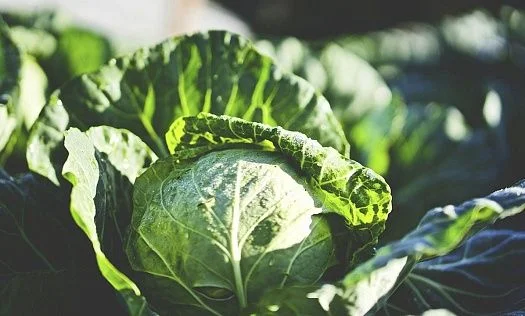 Cabbage. Storage parameters
Discover optimal conditions for long-term cabbage storage: temperature, humidity, and CO₂ standards. Engineered solutions for India, Africa, and Saudi Arabia.
News
Cabbage. Storage parameters
Discover optimal conditions for long-term cabbage storage: temperature, humidity, and CO₂ standards. Engineered solutions for India, Africa, and Saudi Arabia.
News
 Underground Farms at Seoul Subway Stations
Discover how Seoul’s underground vertical farms use hydroponics, LED lighting and AI to grow vegetables in metro stations. Learn how these climate-resilient farming technologies support food security in India, Africa and Saudi Arabia.
Harvest
Underground Farms at Seoul Subway Stations
Discover how Seoul’s underground vertical farms use hydroponics, LED lighting and AI to grow vegetables in metro stations. Learn how these climate-resilient farming technologies support food security in India, Africa and Saudi Arabia.
Harvest
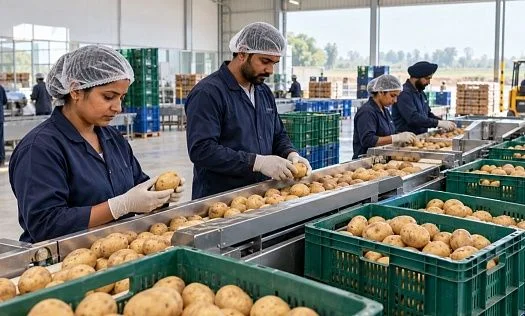 Why India's Seed Potatoes Rarely Reach Export Markets
Why India's seed-potato exports remain small and how controlled storage, lot traceability and climate records can strengthen export readiness.
News
Why India's Seed Potatoes Rarely Reach Export Markets
Why India's seed-potato exports remain small and how controlled storage, lot traceability and climate records can strengthen export readiness.
News
 Careers in agriculture
Explore the fast-growing careers in modern agriculture-agricultural engineering, soil science, precision farming, AI, robotics, sustainability and environmental science. Agriculture today is global, high-tech and full of opportunity
News
Careers in agriculture
Explore the fast-growing careers in modern agriculture-agricultural engineering, soil science, precision farming, AI, robotics, sustainability and environmental science. Agriculture today is global, high-tech and full of opportunity
News
 Potato dormancy condition
How does the dormancy period affect the shelf life of potatoes?
Potato dormancy condition
How does the dormancy period affect the shelf life of potatoes?

Leave your contacts and we will get back to you