How to reduce your food waste

If you remember how much food you throw away every day, it may not seem like much. It seems so because they throw them away in small portions. And if we look at this indicator on a year-to-year basis or take into account the amount of waste generated as a result of food production, the picture is dramatically darkened.
According to the report of the World Resources Institute (WRI), which is devoted to sustainable development, it is said that 8% of greenhouse gases emitted during the year are the result of food waste. At the same time, 25% of the agricultural use of water and land resources (the area is the size of China!) is spent on the production of foodstuffs, which are eventually simply thrown away.
Reducing food waste will greatly help the environment, saving resources and energy that are used to produce unnecessary foodstuffs at every stage of the chain, from farm to consumer and recycling.
The recycling stage is no less important than the production stage: food rotting in landfills produces methane that contributes to climate change. In addition, the loss of quality food also contributes to reducing the food security of the population. That's why we offer you a few tips to reduce food waste.
"Smart" shopping
The first and most obvious advice is to buy only what you need. You can plan the menu for the week and create shopping lists to avoid impulsive purchases, accumulation of products that you simply do not have time to use.
In case there are still more purchases than planned, you can save them in a frozen, marinated and canned form.
While cooking, you can diversify your meals with new ingredients or make smoothies out of "ugly" fruits and vegetables.
Если нет нужды использовать эти продукты, можно раздавать их друзьям или в благотворительные организации, которые заботятся о нуждающихся.
Если же продукт испортился, следует его компостировать, а не просто выбрасывать в мусор.
Organize storage
Proper storage can be important. For example, food that spoils faster should be placed in the front to serve as a reminder that it should be eaten more quickly.
Also, many people don't know how to store fruits and vegetables properly, which makes them spoil faster. For example, potatoes, tomatoes, garlic, cucumbers and onions should not be stored in the fridge. At room temperature, their quality will remain better.
In addition, food that produces more ethylene gas should be separated. It speeds up the maturation process in foodstuffs and can lead to their deterioration. For example, bananas, avocadoes, tomatoes, peaches, pears, etc. should be kept away from potatoes, apples, leafy herbs, peppers and berries.
Buying "ugly" fruit
Many fruits and vegetables may be deformed, become unusual in color, but their taste and nutritional qualities do not change. Because people prefer more eye-catching products, a large number of them are simply thrown away. Accordingly, it makes no sense for food chains to buy such products, they are discarded at the production stage. Some chains sell imperfect products at a discount to combat excess food waste. Another option is to use them in food products (drinks, jams, snacks, etc.)
Conclusion
One-third of the food produced worldwide is thrown away for want of use. While people in one part of the world are carelessly picking up full baskets of food in shops, in another part of the world the population in need of these products is deprived of food security. While one part of the Earth is ploughed with edible crops, the other part of the earth is depleted and loses its properties. Is it worth wasting earthly and financial resources so recklessly?
Ecologically lost food accounts for about 8% of all global greenhouse gas emissions, 24% of fresh water and 28 million tons of fertilizers and pesticides used in agriculture. The Food and Agriculture Organization of the United Nations (FAO) has estimated the total cost of global food waste, including environmental, economic and social impacts, at US$ 2.6 trillion a year.
Along with reducing environmental damage, preventing and minimizing food waste will help us feed a growing global population and contribute to a sustainable future for agriculture. And each of us can help achieve this goal.
There are a number of measures you can take to reduce food waste at home:
- Before buying, check the fridge and buy only what you need.
- Plan the menu. This saves time, money and food waste.
- Be creative when cooking and use the food that is left in the fridge.
- Take into account the size of the portion when cooking food so as not to throw away any extra food.
- Properly arrange storage
- Buy "ugly" products
- Compost waste



More articles
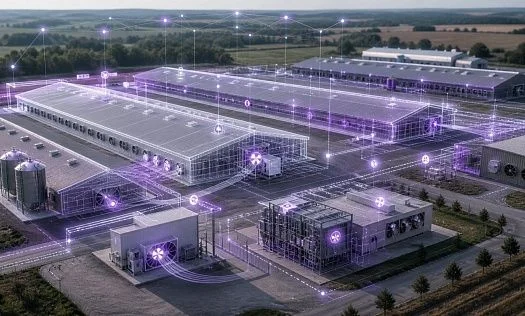 Agilias: Domain-First Industrial Intelligence for Real Production Sites
Agilias was not born as a software experiment looking for a market. It grew from Agrovent’s engineering work with real production sites, where climate systems, equipment, people and economics meet every day.
News
Agilias: Domain-First Industrial Intelligence for Real Production Sites
Agilias was not born as a software experiment looking for a market. It grew from Agrovent’s engineering work with real production sites, where climate systems, equipment, people and economics meet every day.
News
 From Orchard to Bottle: How Apple Growers Can Profit from the Global Cider Boom
It’s apple season - and the question for many growers is what to do with all that abundance. One answer: cider. Around the world, cider is transforming from a niche beverage into a global trend. Here’s how apple farmers can tap into this growing market - and how Agrovent supports them from storage to production.
News
From Orchard to Bottle: How Apple Growers Can Profit from the Global Cider Boom
It’s apple season - and the question for many growers is what to do with all that abundance. One answer: cider. Around the world, cider is transforming from a niche beverage into a global trend. Here’s how apple farmers can tap into this growing market - and how Agrovent supports them from storage to production.
News
 How will the ban on chlorprofam affect the potato market?
Analysts predict that a ban on chlorprofam will pose additional challenges for European potato producers.
News
How will the ban on chlorprofam affect the potato market?
Analysts predict that a ban on chlorprofam will pose additional challenges for European potato producers.
News
 Things to keep in mind when building a vegetable storage
Learn the essential factors to consider when planning a vegetable storage facility: technology choice, layout, location, regulations and budgeting. Ideal for projects in India, Africa and Saudi Arabia. Contact Agrovent for expert storage design and engineering
Harvest
Things to keep in mind when building a vegetable storage
Learn the essential factors to consider when planning a vegetable storage facility: technology choice, layout, location, regulations and budgeting. Ideal for projects in India, Africa and Saudi Arabia. Contact Agrovent for expert storage design and engineering
Harvest
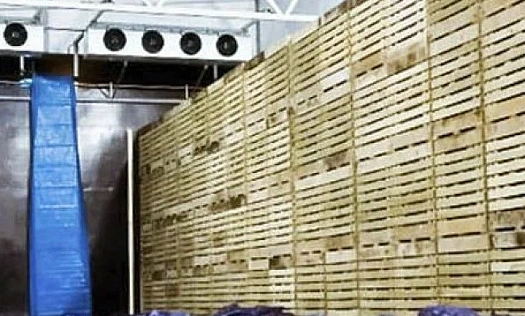 Potato Storage in Bags vs Boxes: What Changes for Indian Operators?
A practical comparison of bag and box potato storage in India: airflow, handling damage, batch traceability, chamber capacity, labour and market access.
News
Potato Storage in Bags vs Boxes: What Changes for Indian Operators?
A practical comparison of bag and box potato storage in India: airflow, handling damage, batch traceability, chamber capacity, labour and market access.
News
 Modern Vegetable Storage Facilities: How to Choose the Right Solution
Feeding the population isn’t only about growing crops - it’s about keeping them fresh, safe, and marketable for months. Modern vegetable storage reduces post-harvest losses, stabilizes prices, and protects farmer income. In this article we review the main types of vegetable stores and the technologies that actually work in today’s markets.
Modern Vegetable Storage Facilities: How to Choose the Right Solution
Feeding the population isn’t only about growing crops - it’s about keeping them fresh, safe, and marketable for months. Modern vegetable storage reduces post-harvest losses, stabilizes prices, and protects farmer income. In this article we review the main types of vegetable stores and the technologies that actually work in today’s markets.

Leave your contacts and we will get back to you