Carrots. Storage parameters

Produce Preparation for Long-Term Carrot Storage
Before loading carrots into storage, remove the green tops. If left attached, they pull moisture from the root, causing weight loss, shriveling, and a drop in commercial quality.
Recommended Storage Volume
Carrots should be stored in single chambers or containers with a capacity of up to 1,500 tons.
Fresh-air intake is not required under this storage method.
Optimal Temperature (t°C)
Maintain a temperature range of –1°C to +1°C for maximum shelf life and quality retention.
Humidity
Relative humidity should be kept at 95% to prevent dehydration.
CO₂ Levels
Excess carbon dioxide must be regularly removed.
Maximum CO₂ concentration: ≤ 5%.
Storage Life
-
Year-round storage with refrigeration systems.
-
Until April when using an aeration-based ventilation system.
Year-round storage with refrigeration systems.
Until April when using an aeration-based ventilation system.
Storage Facility Requirements
Carrots must be rapidly cooled after harvest to preserve firmness and color.
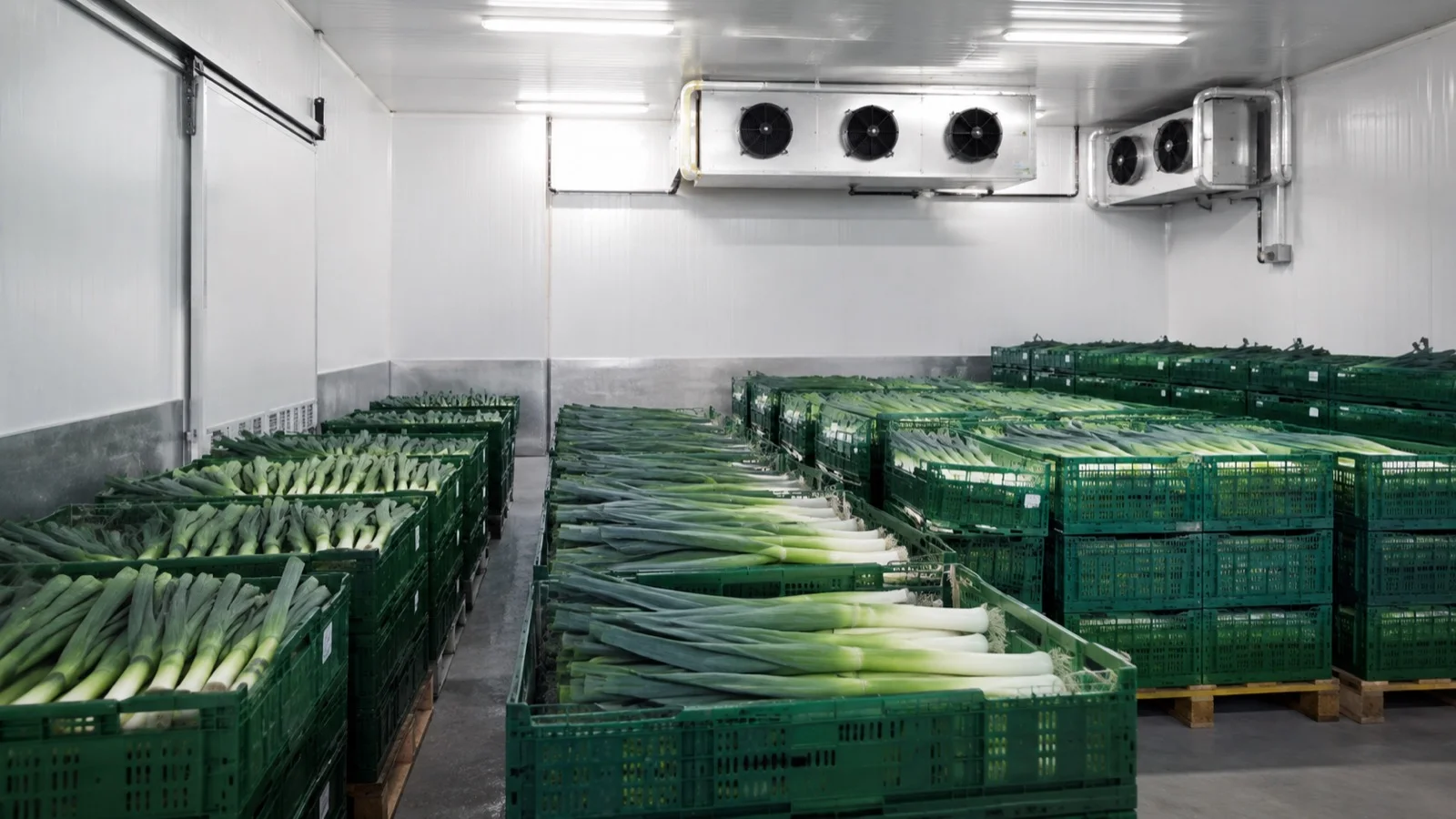
Most producers store carrots in durable containers to ensure stable airflow and easy handling.
Looking to upgrade carrot storage for hot climates or large-scale facilities?
Contact our team for a tailored engineering solution built for India, Africa, and Saudi Arabia.



More articles
 Why Onion Drying Determines Storage Success: Best Practices for Tropical & Temperate Climates
Proper onion drying is the most critical step before storage. Learn why inadequate drying leads to bacterial rot, neck rot, and 20–80% storage losses, and discover the best drying methods for temperate and tropical climates.
News
Why Onion Drying Determines Storage Success: Best Practices for Tropical & Temperate Climates
Proper onion drying is the most critical step before storage. Learn why inadequate drying leads to bacterial rot, neck rot, and 20–80% storage losses, and discover the best drying methods for temperate and tropical climates.
News
 Protein XXI: plant-based meat analogues
Where can I get protein from and not harm the environment?
News
Protein XXI: plant-based meat analogues
Where can I get protein from and not harm the environment?
News
 Underground Farms at Seoul Subway Stations
Discover how Seoul’s underground vertical farms use hydroponics, LED lighting and AI to grow vegetables in metro stations. Learn how these climate-resilient farming technologies support food security in India, Africa and Saudi Arabia.
News
Underground Farms at Seoul Subway Stations
Discover how Seoul’s underground vertical farms use hydroponics, LED lighting and AI to grow vegetables in metro stations. Learn how these climate-resilient farming technologies support food security in India, Africa and Saudi Arabia.
News
 African Agriculture in a New Context
Africa holds enormous agricultural potential, but progress requires investment in smallholder farmers, water infrastructure, innovation, and climate-resilient policies. Explore the key challenges and solutions shaping the future of African food systems.
News
African Agriculture in a New Context
Africa holds enormous agricultural potential, but progress requires investment in smallholder farmers, water infrastructure, innovation, and climate-resilient policies. Explore the key challenges and solutions shaping the future of African food systems.
News
 HRMN-99: The Heat-Tolerant Apple Variety Transforming Farming in India’s Plains
Discover how HRMN-99, a self-pollinating, heat-tolerant apple variety developed in Himachal Pradesh, is enabling farmers across India’s tropical and subtropical regions to grow apples successfully—even at 40–45°C.
News
HRMN-99: The Heat-Tolerant Apple Variety Transforming Farming in India’s Plains
Discover how HRMN-99, a self-pollinating, heat-tolerant apple variety developed in Himachal Pradesh, is enabling farmers across India’s tropical and subtropical regions to grow apples successfully—even at 40–45°C.
News
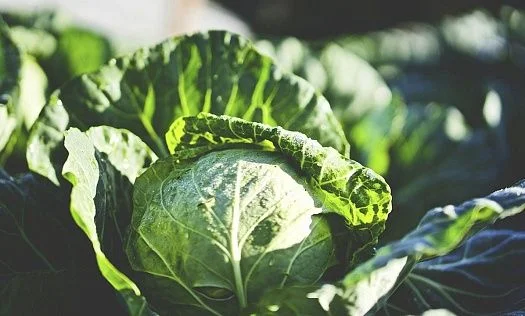 Cabbage. Storage parameters
Discover optimal conditions for long-term cabbage storage: temperature, humidity, and CO₂ standards. Engineered solutions for India, Africa, and Saudi Arabia.
Cabbage. Storage parameters
Discover optimal conditions for long-term cabbage storage: temperature, humidity, and CO₂ standards. Engineered solutions for India, Africa, and Saudi Arabia.

Leave your contacts and we will get back to you