Onion Storage: How Temperature and Humidity Decide Whether Your Crop Survives
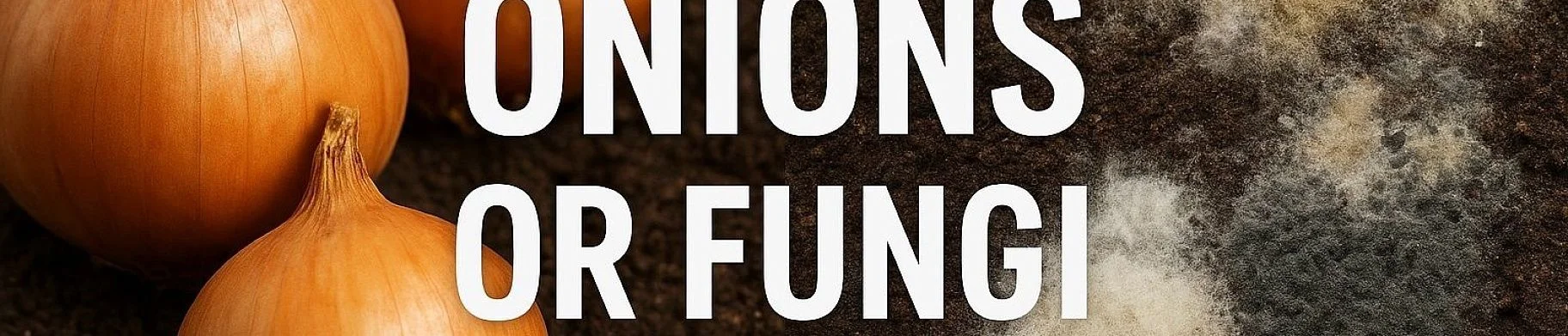
Onion Storage Is a Battle for Survival
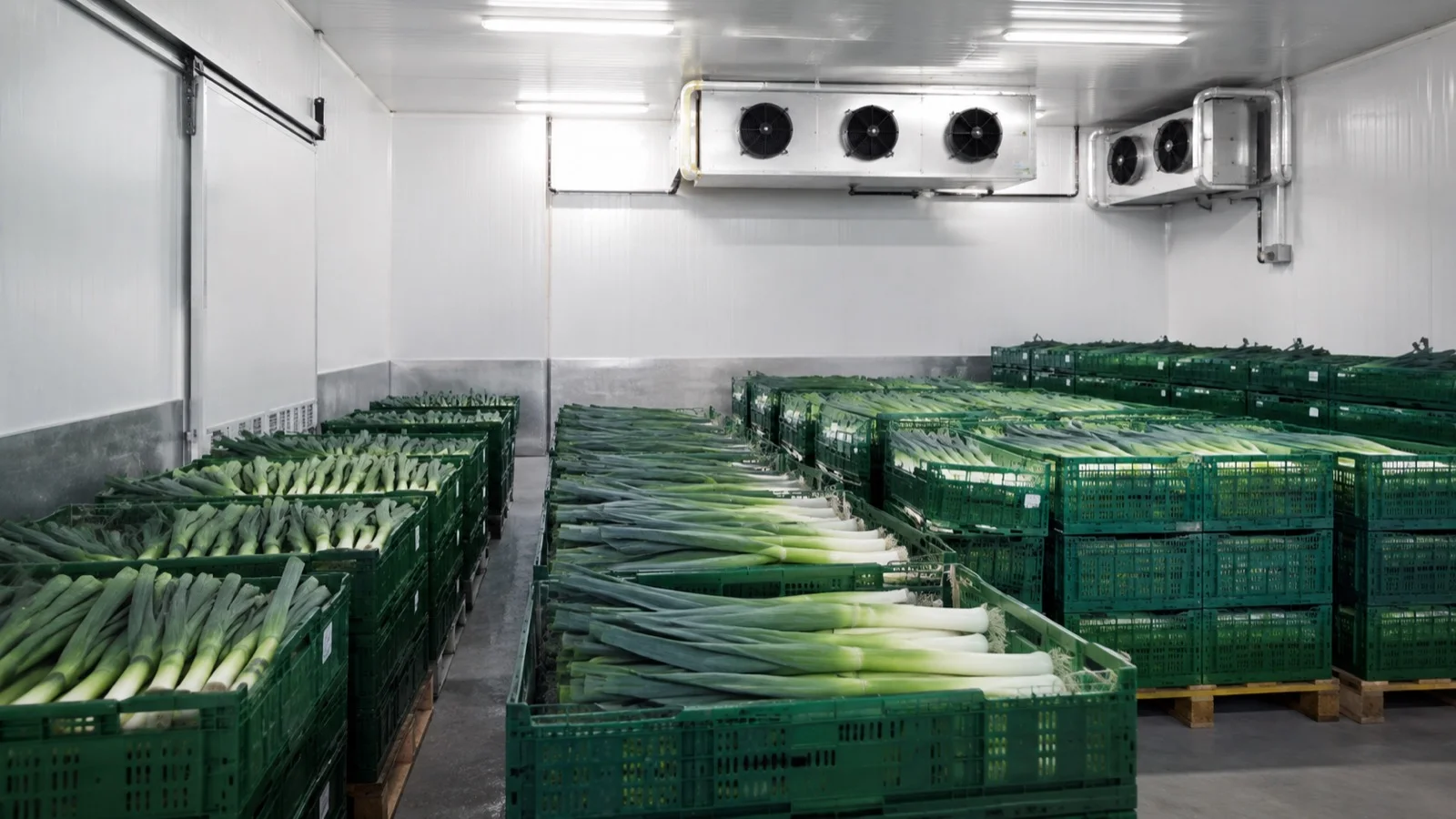
A storage facility is not “just a warehouse.” For onions, it’s a dynamic environment where fungi compete for dominance. Every shift in temperature or humidity empowers a new group of pathogens - and only precise engineering can keep them under control.
Below is what actually happens inside a storage room across different climate zones.
🧊 0…+5 °C • RH 80–90%
Silent Spread: Penicillium & Botrytis
At cool, humid settings, these fungi colonize slowly and quietly. Problems usually appear late - especially when bulbs were cured improperly or contain hidden pockets of moisture. Losses accumulate gradually, often unnoticed until grading.
🌤 +10…+20 °C • RH 70–85%
Escalation Phase: Fusarium & Sclerotinia
As temperatures rise, pathogens become more aggressive. They target the neck and basal plate, taking advantage of:
-
insufficient pre-storage drying,
-
mechanical injuries during harvest,
-
warm air pockets inside the pile.
Regular inspection at this stage is critical - early detection saves entire lots.
🔥 +20…+30 °C • RH 70–90%
High-Risk Zone: Fusarium + Aspergillus niger
Decay accelerates dramatically. In this range, whole batches can deteriorate within days. Ventilation alone cannot protect the crop.
Only fully integrated microclimate control - temperature, relative humidity, and air exchange working together — can stop the collapse.
☠️ +30…+35 °C • RH 50–70%
Full Dominance of Black Mold (Aspergillus)
Hot conditions with moderate dryness create ideal conditions for black mold. Spread is fast, aggressive, and difficult to reverse.
Poor insulation or unmanaged storages in warm climates can lose their entire inventory at this stage.
What This Means for Growers in Practice
🎯 Without active monitoring and control, post-harvest losses are inevitable.
🎯 Bulbs shrink, rot, lose weight and freshness - turning valuable inventory into waste.
🎯 With correct curing, engineered ventilation, and automated temperature/humidity management, onions retain quality for many months.
The Takeaway
💡 Onions are resilient - but fungi are opportunists.
Give chaos a chance and they’ll take everything.
Create a precise, stable storage strategy and you gain:
-
higher marketable yield,
-
better quality,
-
predictable profit.
Agrovent engineers design professional onion storage facilities tailored to the climates of Africa, India, and the Middle East, ensuring your onions stay strong even when conditions outside are extreme.
📞 Call: +971 50 437 7119
📧 Email: info@agrovent.com



More articles
 Bulk Potato Storage in India: Engineering for Fries and Chips
When bulk potato storage works for Indian fries and chips supply chains—and why variety, intake handling, airflow and processing logistics must be designed together.
News
Bulk Potato Storage in India: Engineering for Fries and Chips
When bulk potato storage works for Indian fries and chips supply chains—and why variety, intake handling, airflow and processing logistics must be designed together.
News
 Aquaculture development: challenges and optimization of sustainable industry
Industry and agriculture are keys to achieving sustainable development goals, and many of them are direct in fisheries and aquaculture.
News
Aquaculture development: challenges and optimization of sustainable industry
Industry and agriculture are keys to achieving sustainable development goals, and many of them are direct in fisheries and aquaculture.
News
 How to reduce post-harvest losses most effectively and quickly?
Discover sustainable cold storage and mobile berry cooling solutions that cut food loss, reduce CO₂ emissions, and protect harvests in hot climates.
News
How to reduce post-harvest losses most effectively and quickly?
Discover sustainable cold storage and mobile berry cooling solutions that cut food loss, reduce CO₂ emissions, and protect harvests in hot climates.
News
 Why do food systems need innovation in intensive refrigeration?
How is food stored in developing countries?
News
Why do food systems need innovation in intensive refrigeration?
How is food stored in developing countries?
News
 How to prepare the vegetable storehouse for the potato storage season?
Learn how to prepare storage facilities, manage curing, prevent diseases, and handle potatoes correctly to ensure long-term quality and minimal losses
News
How to prepare the vegetable storehouse for the potato storage season?
Learn how to prepare storage facilities, manage curing, prevent diseases, and handle potatoes correctly to ensure long-term quality and minimal losses
News
 New video: We take care of quality of your life
Take a part of our goals. Your choices matter.
New video: We take care of quality of your life
Take a part of our goals. Your choices matter.

Leave your contacts and we will get back to you