Why Onion Drying Determines Storage Success: Best Practices for Tropical & Temperate Climates

Ventilation and climate systems can preserve onion quality — but only if the crop is dried correctly first. This article explains why drying is the decisive stage that determines whether your onions last months or spoil within weeks.
The Critical Role of Drying in Onion Storage
We often talk about microclimate systems, ventilation, and correctly engineered vegetable storage facilities. But one step decides everything long before the onions enter a storage chamber:
Drying.
If onions are stored without proper drying, no ventilation system in the world can save the crop.
So, should you dry onions — and what happens if you don’t?
Drying Options for Onions
There are two primary approaches:
1. Outdoor air only
Traditional field drying using natural airflow.
2. Outdoor air + heated/cooled air
Controlled drying inside vegetable storage chambers.
Both methods can work — but the first 3–4 days after harvest are crucial.
Why Drying Matters: Heat, Rain, and Bacterial Pressure
In many temperate regions, high temperatures and heavy rains coincide only occasionally. In tropical climates, however, this combination is common — and extremely dangerous for onions.
Research shows that exposure to heat + rainfall can shorten onion shelf life by 20–80% if the crop is not dried immediately.
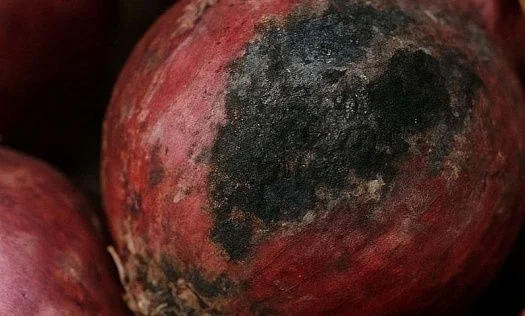
Heat and rain create perfect conditions for bacteria and fungi such as:
-
Erwinia carotovora (bacterial soft rot)
-
Pseudomonas alliicola
-
Botrytis aclada (neck rot)
These pathogens are already present in the atmosphere and soil. They enter the plant through:
-
fresh leaf lesions,
-
natural pores,
-
wounds from hail or mechanical damage.
Once inside, they slowly travel down the leaves and into the neck of the bulb — waiting for the right conditions to trigger infection.
Correct Harvest Timing Is Essential
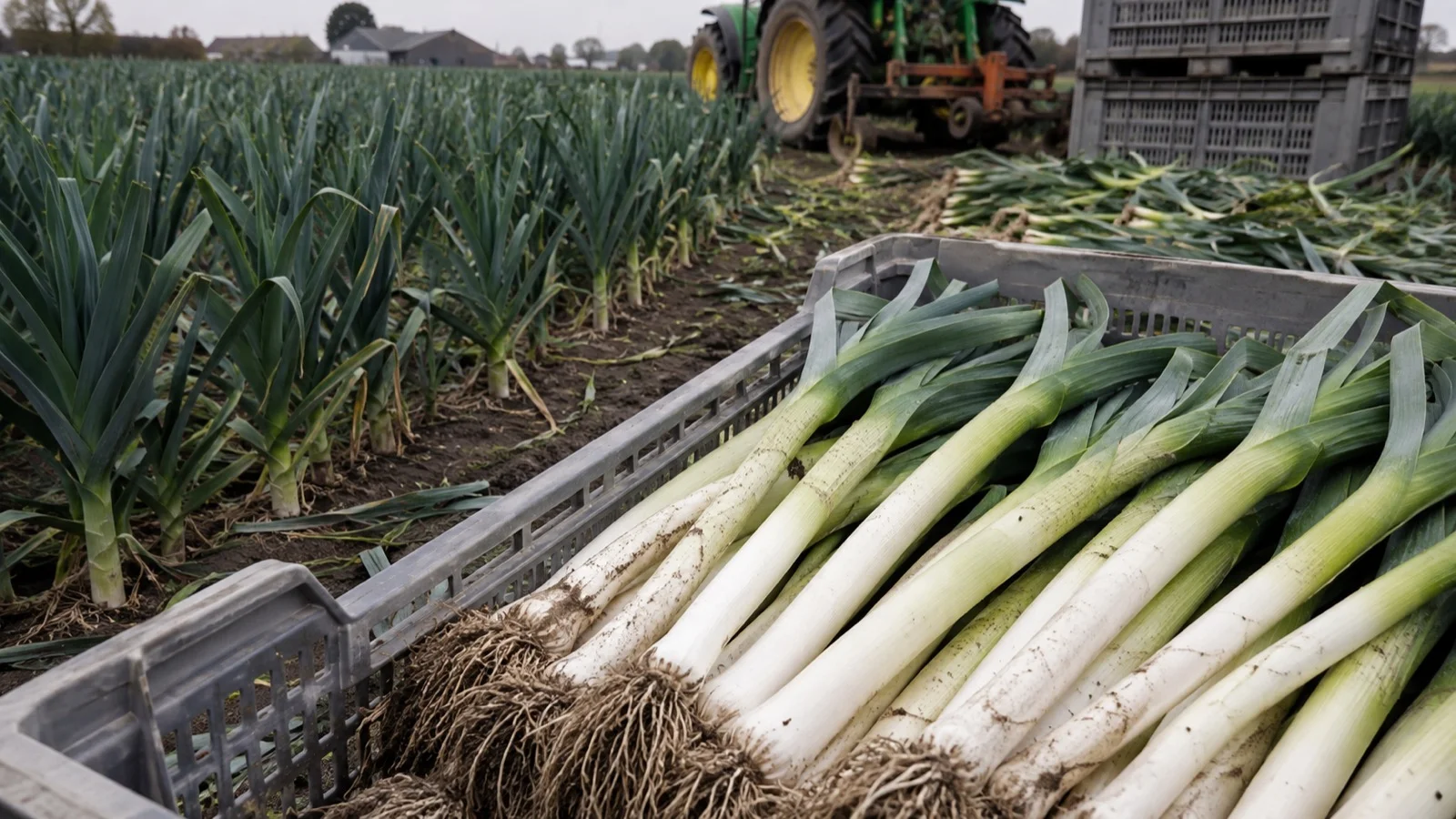
Bulbs must be harvested early and at the right maturity stage - generally when 50% of the plant is still green.
Many farmers leave onions in the field trying to increase yield. And yes - the gross weight increases.
But the quality collapses.
What the research shows:
The Dutch PPO Institute conducted a multi-year study:
-
Leaving onions longer increased gross yield by 7.1%
-
But after drying, this increase was reduced to just 1.1%
In other words:
extra days in the field increase quantity, not quality — and often lead to massive storage losses.
Outdoor Drying: The Traditional Method
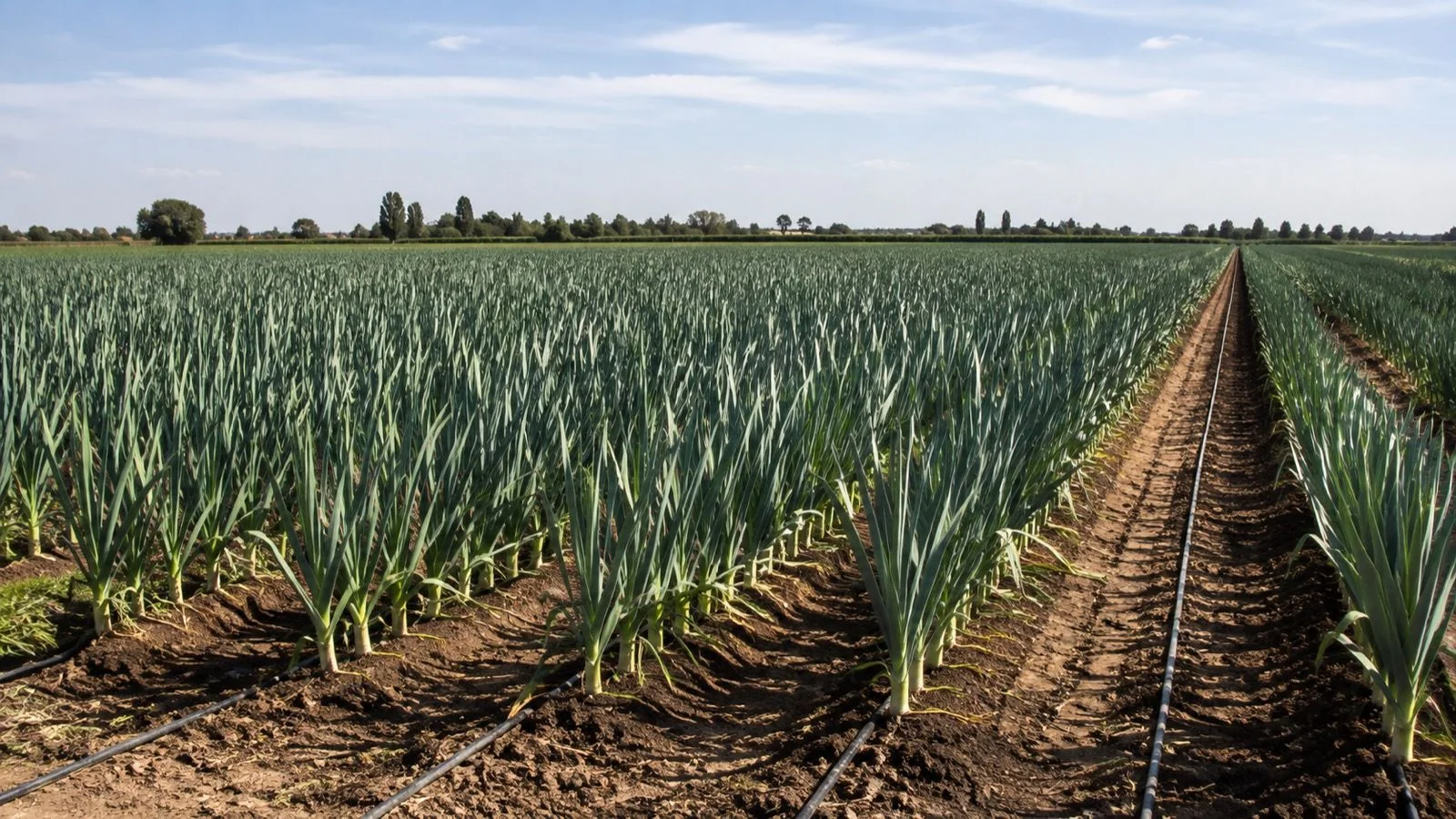
Most onions worldwide are still dried directly in the field. Proper drying takes 10–14 days, or longer in humid conditions.
But this slow drying period gives bacteria and fungi plenty of time to spread.
Other risks include:
-
daily temperature swings of 4°C or more → dew formation
-
moisture settling on bulbs overnight
-
higher penetration of pathogens into the neck
Drying is complete when the onion neck becomes papery and can be rolled between the fingers.
Outdoor drying works - but it is risky and slow.
Controlled Drying Inside Storage Chambers
This is the most efficient and least risky drying method.
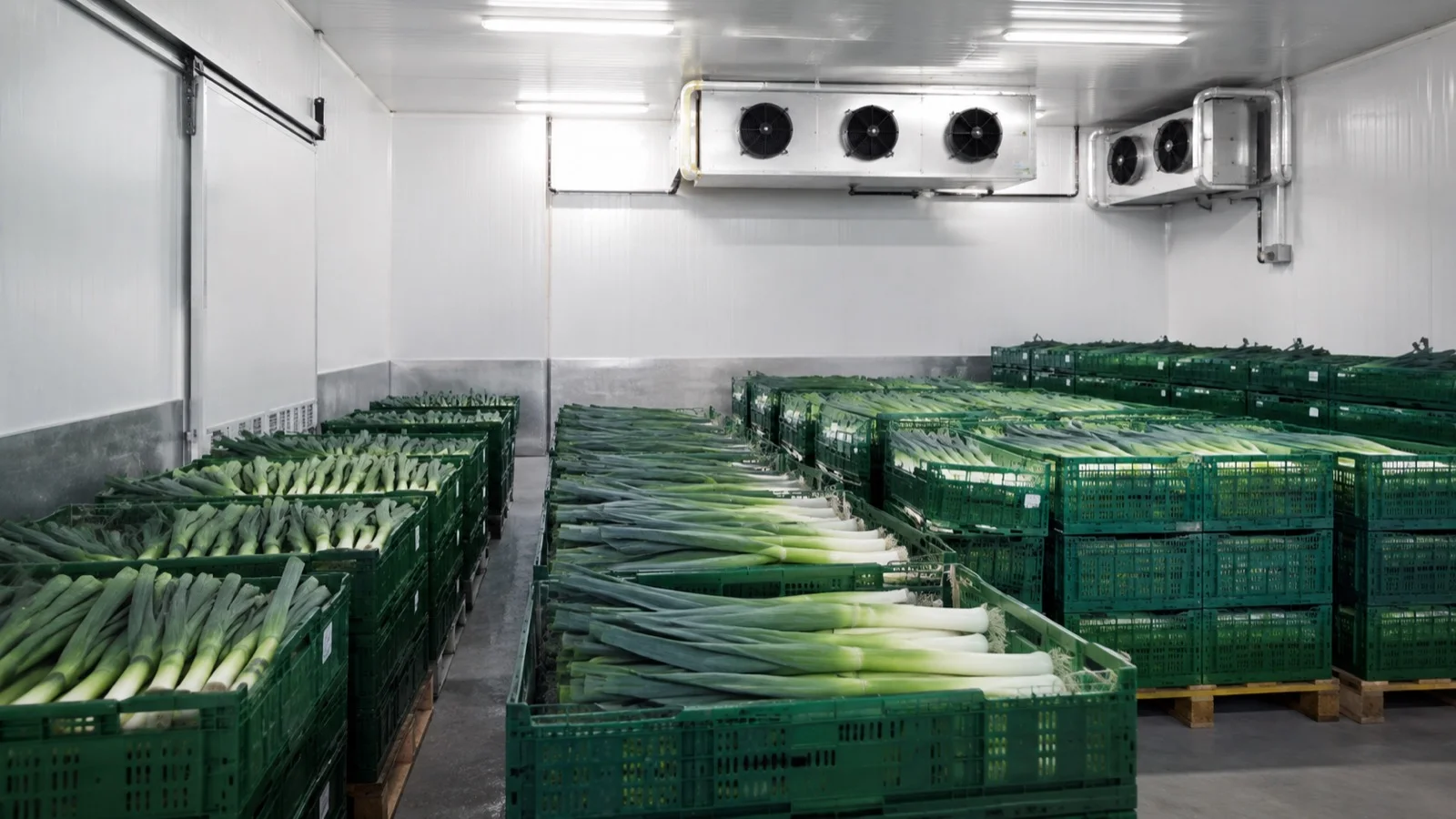
Immediately after loading into storage chambers:
-
Air is heated to 35–38°C
-
Drying continues for 3–4 days
-
Microbial penetration is drastically reduced
-
Bulbs form a firm, dry neck and proper outer skins
After drying, a cooling phase is essential to stabilize tissues and prepare onions for long-term storage.
This method gives pathogens almost no time to enter the bulb.
Final Thoughts
Drying is not just a preparation step — it is the foundation of successful onion storage.
-
It prevents bacterial soft rot and neck rot
-
It protects the bulb’s structure
-
It reduces oxygen and moisture available for pathogens
-
It determines whether onions last 8 months or spoil in 3 weeks
No storage facility, no cooling system, and no ventilation design can compensate for improper or delayed drying.
Need a Proper Onion Storage Facility?
Agrovent designs and builds modern vegetable storages with:
-
high-efficiency drying systems,
-
precise airflow control,
-
heating and cooling integration,
-
automated microclimate management.
📞 Call: +971 504 377 119
📧 Email: info@agrovent.com
Our engineers will help you select the perfect solution for your climate and crop volume.



More articles
 Protein XXI: plant-based meat analogues
Where can I get protein from and not harm the environment?
News
Protein XXI: plant-based meat analogues
Where can I get protein from and not harm the environment?
News
 Vegetable storage technology
Learn how to choose the right vegetable storage technology. Explore bulk and container systems, airflow methods, and microclimate control for long-term crop preservation.
Vegetable storage technology
Learn how to choose the right vegetable storage technology. Explore bulk and container systems, airflow methods, and microclimate control for long-term crop preservation.
 Expert Talk: Microbial Preparations for Onion Storage in Maharashtra
Alexander Samsonov explains how locally validated microbial biocontrol trials may complement curing, ventilation and climate control for onion storage in Maharashtra.
News
Expert Talk: Microbial Preparations for Onion Storage in Maharashtra
Alexander Samsonov explains how locally validated microbial biocontrol trials may complement curing, ventilation and climate control for onion storage in Maharashtra.
News
 Storing peaches
Learn how to harvest, cool, and store peaches for long-term quality. Ripeness stages, ULO parameters, humidity control, temperature uniformity, and post-harvest handling for premium shelf life.
News
Storing peaches
Learn how to harvest, cool, and store peaches for long-term quality. Ripeness stages, ULO parameters, humidity control, temperature uniformity, and post-harvest handling for premium shelf life.
News
 Livestock housing ventilation technologies
Learn how accelerator fans improve heat dissipation, stabilize barn microclimates, and increase milk yield by optimizing airflow for dairy cattle
Microclimate
Livestock housing ventilation technologies
Learn how accelerator fans improve heat dissipation, stabilize barn microclimates, and increase milk yield by optimizing airflow for dairy cattle
Microclimate
 How to Select Fans for Potato Storage: Airflow, Static Pressure and Uniformity
A practical guide to selecting potato storage fans from the system curve, crop resistance, duct layout, operating modes, energy use and airflow uniformity.
How to Select Fans for Potato Storage: Airflow, Static Pressure and Uniformity
A practical guide to selecting potato storage fans from the system curve, crop resistance, duct layout, operating modes, energy use and airflow uniformity.

Leave your contacts and we will get back to you