How to prepare the vegetable storehouse for the potato storage season?

Successful storage doesn’t begin at the warehouse door - it begins in the field. From nitrogen balance and irrigation to facility sanitation and early disease detection, here’s what growers must do before, during, and after harvest to protect potato quality all season long.
Successful Potato Storage Starts in the Field: A Practical Guide
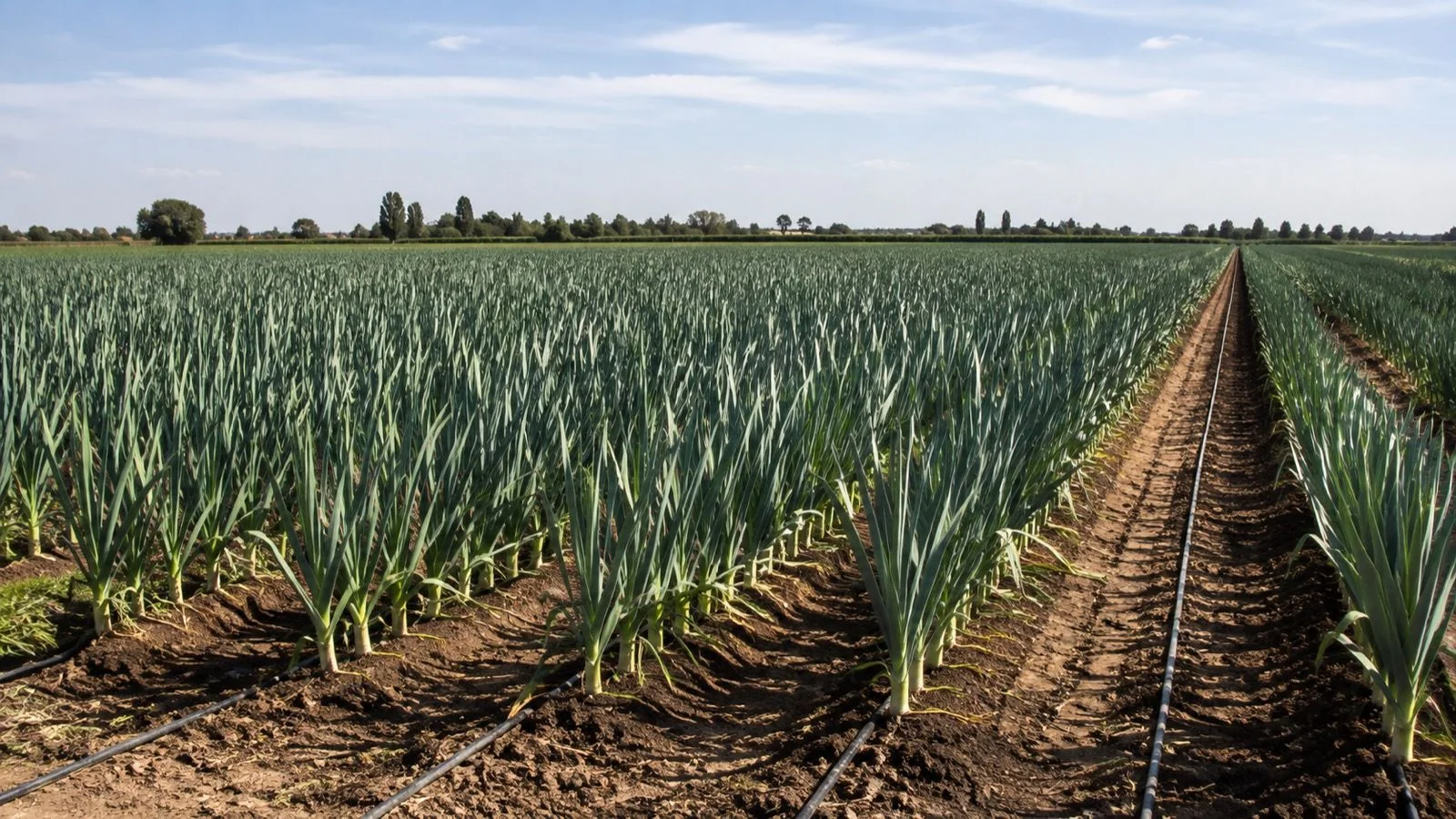
Long-term potato storage begins long before the crop reaches the warehouse. Proper irrigation, balanced nitrogen, and timely disease management can dramatically improve storability. Stress during the growing season often leads to higher sugar content, lower specific gravity, and reduced storage life — problems that no ventilation system can fix later.
Field Preparation: Laying the Foundation
Monitoring disease and insect pressure during the season, combined with targeted pesticide applications, helps minimize surprises at harvest. By the time the crop reaches maturity, a grower should already have a clear picture of which lots are fit for storage and which may require special handling.
Step 1: Preparing the Storage Facility
The first task is a complete cleanout. Remove plants, debris, and any unnecessary materials. Inspect the structure: loose insulation, cracked metal, damaged wood, unsealed seams — everything must be repaired before loading begins.
A deep cleaning helps prevent pathogens from persisting between seasons. Wash all surfaces - floors, beams, ducts, pipes, ventilation and humidification components - using detergent and hot water or steam. Rinse thoroughly, then apply disinfectant and allow 10–15 minutes of contact time. Seal the facility for two weeks, then air it out completely.
If silver scurf has been a recurring issue, this step becomes critical. Research shows silver scurf can survive up to 9 months on Styrofoam and soil floors, and up to 3 months on metal. Ensure the disinfectant is compatible with your construction materials.
Storage Facility Checklist
Structural & Sanitation
-
Repair all insulation to prevent condensation.
-
Clean and clear all air duct openings.
-
Remove adhesive tape, loose insulation, wood fragments, and other foreign materials.
-
Replace worn humidification equipment and high-pressure nozzles.
-
Inspect for corrosion and structural wear.
Ventilation & Airflow
-
Service and balance all ventilation fans.
-
Adjust ducts to achieve uniform airflow across the mound.
-
Repair or replace worn inlet components.
-
Seal all duct seams to improve system performance.
Sensors & Controls
-
Calibrate all climate sensors - temperature, humidity, CO₂, pressure.
-
Inspect and maintain humidity nozzles, remove mineral deposits, clear blockages.
-
Test the control system before loading the crop.
Pre-Season Conditioning
-
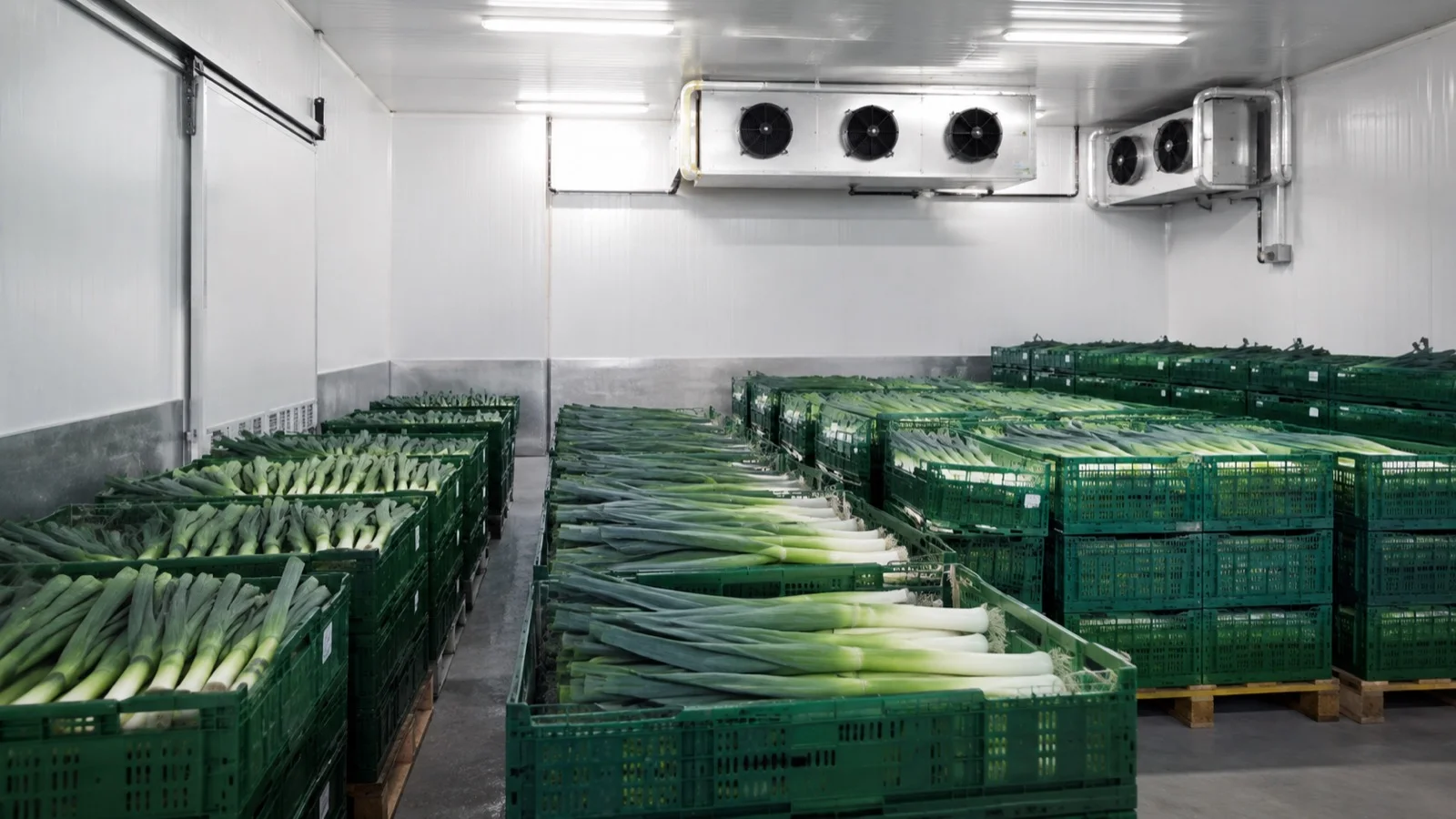
Run the storage room empty to stabilise temperature and humidity.
-
Understand the condition of the incoming batch - maturity, damage, disease pressure - and adjust management accordingly.
Harvesting & Handling: Protecting Tuber Integrity
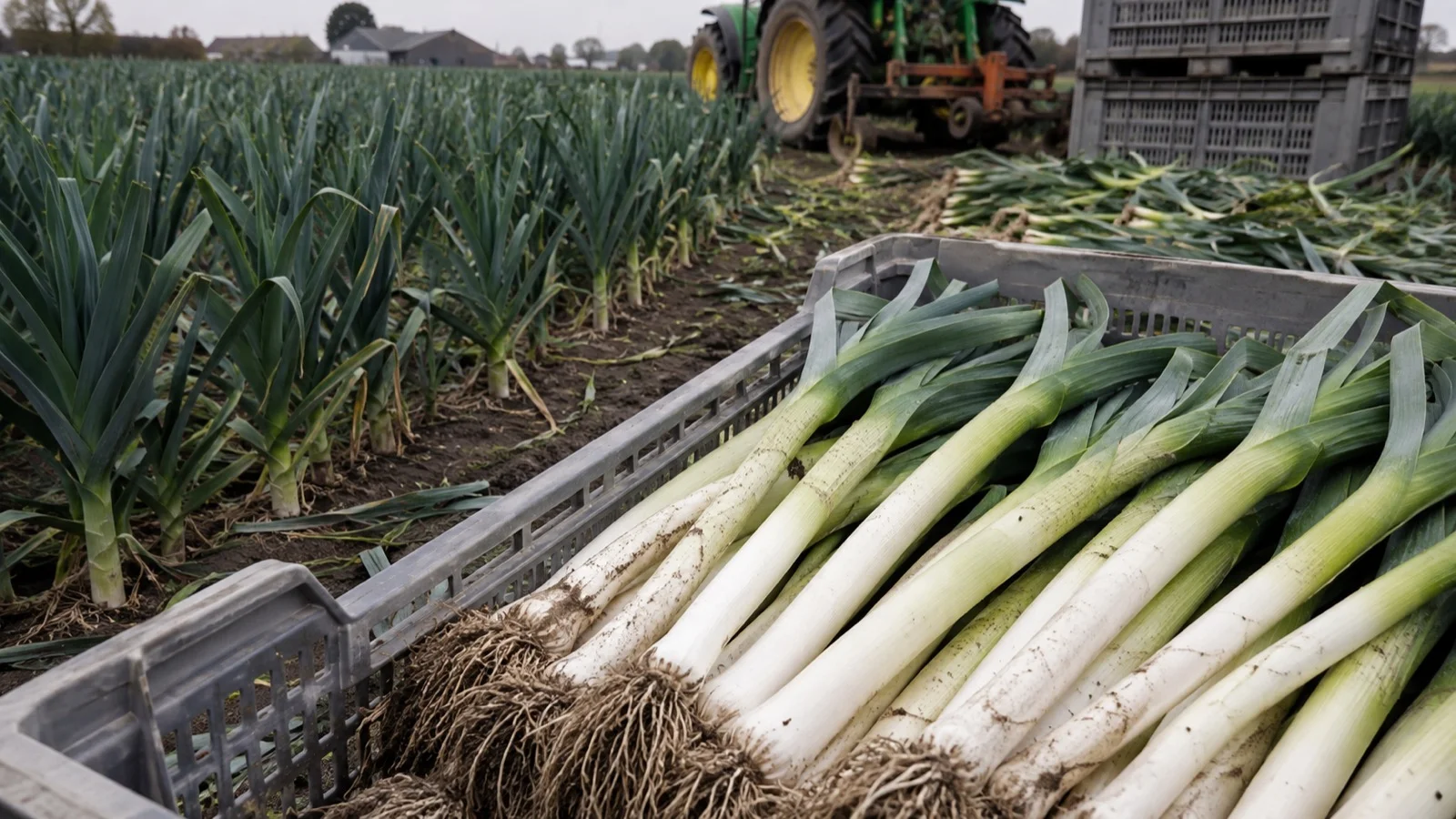
Harvesting must be carried out to ensure that at least 75% of tubers remain intact. A cooler pulp temperature (no higher than 7°C) is ideal. If temperatures are too high, postpone harvesting if possible.
Additional guidelines:
-
Limit mound height to 4–5 m, depending on the variety, to avoid pressure bruising.
-
Turn on ventilation and humidification as soon as the first ducts are covered.
-
Remove soil clods and debris to improve airflow.
-
Load each storage unit with potatoes intended for the same end use.
-
Close the facility immediately after filling to achieve uniform temperature quickly.
Curing & Temperature Management
Maintain 7–8°C pulp temperature for 2–3 weeks to allow proper wound healing. Keep relative humidity at 95% during this phase.
After curing:
-
Reduce temperature gradually, by 2–3°C per week, until the recommended storage temperature is reached.
-
Monitor the facility daily — airflow, temperature uniformity, CO₂ levels, condensation, sprouting.
-
Use appropriate sprout inhibitors for each variety and storage duration.
During unloading:
-
Maintain airflow to protect the remaining tubers.
-
Adjust ventilation so air reaches all sections of the reduced mound.
Final Reminder
Your storage facility is not a hospital - it cannot heal diseased tubers. Only healthy, well-grown, carefully harvested potatoes will store well. Proper pre-season preparation and precise storage management protect quality and minimise losses.
Need a vegetable storage facility or a complete ventilation system?
📞 +971 50 437 7119
📧 info@agrovent.com
Or contact our specialist via the messenger icon in the bottom-right corner of the page.



More articles
 Green revolution saves lives
Discover how the Green Revolution increased food production, reduced hunger and lowered infant mortality in developing countries — and why a new Green Revolution is essential for India, Africa and global food security by 2050.
News
Green revolution saves lives
Discover how the Green Revolution increased food production, reduced hunger and lowered infant mortality in developing countries — and why a new Green Revolution is essential for India, Africa and global food security by 2050.
News
 How will the ban on chlorprofam affect the potato market?
Analysts predict that a ban on chlorprofam will pose additional challenges for European potato producers.
Harvest
How will the ban on chlorprofam affect the potato market?
Analysts predict that a ban on chlorprofam will pose additional challenges for European potato producers.
Harvest
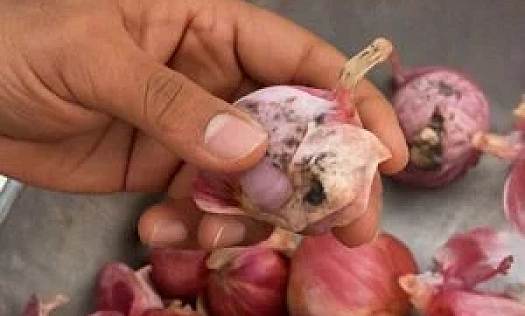 Detecting Onion Storage Hot Spots: Temperature, Humidity, VOCs and Inspection
How temperature and humidity trends, odour and VOC sensors, airflow checks and visual inspection can help detect onion spoilage zones before losses spread.
Harvest
Detecting Onion Storage Hot Spots: Temperature, Humidity, VOCs and Inspection
How temperature and humidity trends, odour and VOC sensors, airflow checks and visual inspection can help detect onion spoilage zones before losses spread.
Harvest
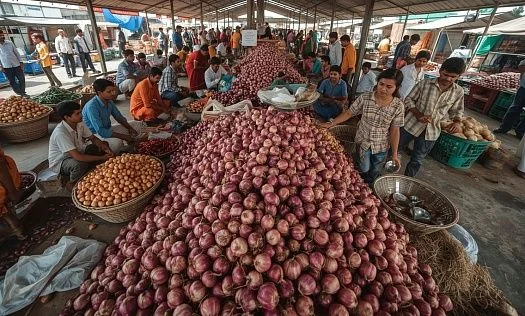 Should India Change Its Onion Storage Culture?
An evidence-based look at how controlled airflow, temperature and humidity can reduce onion storage losses in India without copying one universal storage model.
News
Should India Change Its Onion Storage Culture?
An evidence-based look at how controlled airflow, temperature and humidity can reduce onion storage losses in India without copying one universal storage model.
News
 How to store carrots in a vegetable store?
Ventilation and cooling of vegetable storage of carrots, as a guarantee of efficient crop storage
News
How to store carrots in a vegetable store?
Ventilation and cooling of vegetable storage of carrots, as a guarantee of efficient crop storage
News
 Cabbage Storage Tips and Microclimate Technology | Agrovent Blog
Learn how to store cabbage properly and prevent post-harvest losses. Agrovent microclimate systems help farmers in India, Africa, and the Middle East extend storage up
Cabbage Storage Tips and Microclimate Technology | Agrovent Blog
Learn how to store cabbage properly and prevent post-harvest losses. Agrovent microclimate systems help farmers in India, Africa, and the Middle East extend storage up

Leave your contacts and we will get back to you