How to Extend Potato Shelf Life: 8 Expert Tips for Long-Term Storage
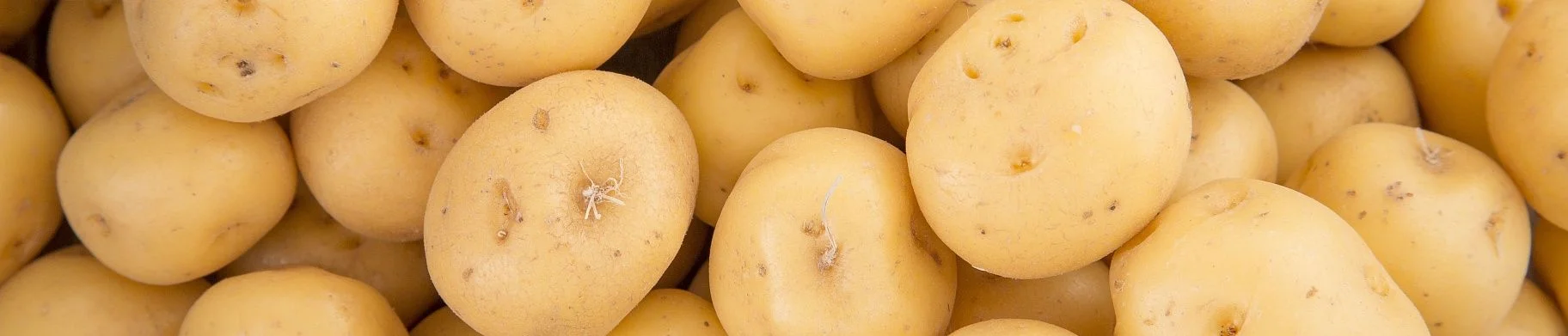
Poor potato storage can wipe out months of hard work. Whether you’re growing in Africa, India, or the Gulf region, consistent temperature, airflow, and disease control are key. In this guide, Agrovent’s engineers share eight expert strategies to keep your crop fresh, healthy, and profitable all year round.
Potato Storage: How to Protect Quality and Profitability All Year Round
Efficient storage is a vital part of the potato production cycle - ensuring a steady supply of quality potatoes even months after harvest. Poorly stored potatoes can quickly deteriorate, leading to major financial losses. With the right approach, however, tubers stay firm, healthy, and market-ready until the next season.
Below are eight professional storage practices that help farmers across Africa, India, and the Middle East achieve maximum yield preservation.
1. Ventilation
Proper ventilation is the foundation of effective potato storage. It removes excess moisture, cools the crop evenly, and prevents “hot spots” that encourage sprouting or fungal infection.
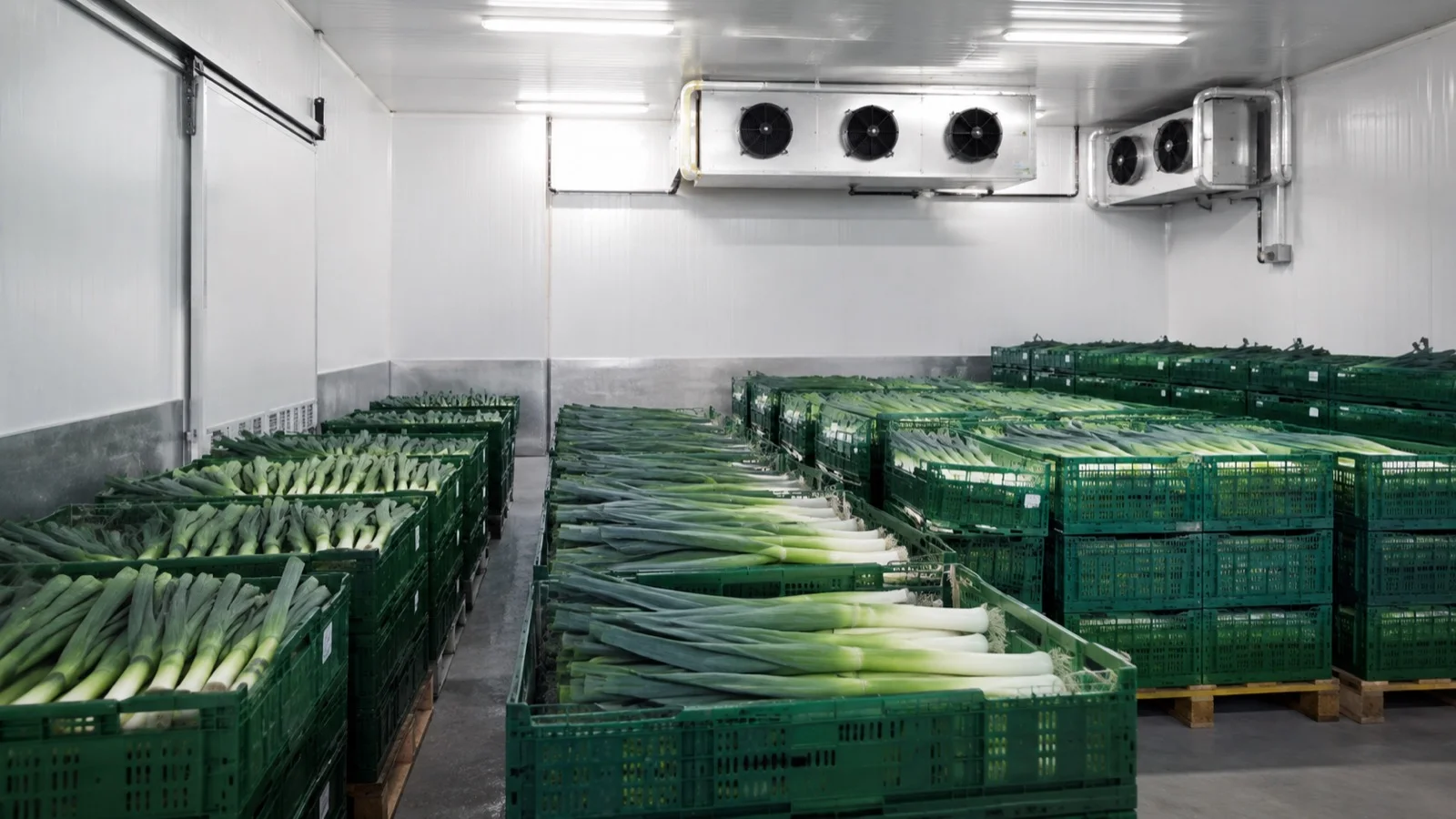
A well-designed ventilation system maintains uniform airflow throughout the building, protecting every layer of stored potatoes. Bulk storage allows air to circulate freely, while container storage requires carefully engineered ducts or air floors to ensure even cooling and drying. Uneven ventilation often leads to localized rot or dehydration.
2. Airtight Construction
Air leaks are one of the most common causes of spoilage in commercial potato storage. When the building isn’t airtight, the controlled microclimate breaks down — temperature and humidity fluctuate, and condensation or premature sprouting occurs.
Instead of simply increasing cooling or ventilation (which raises energy costs and weight loss), the problem must be fixed at its source. Regular air tightness testing of the entire facility is highly recommended to ensure full environmental control.
3. Respiration Control
Potatoes are living organisms that continue to breathe after harvest - consuming oxygen and releasing carbon dioxide and heat. New research shows that respiration slows significantly at stable, lower temperatures.
After the initial cooling phase, most long-term storage batches require less ventilation than previously thought, allowing for substantial energy savings while maintaining product quality.
4. Disease Identification
Accurate disease identification is crucial for proper management. For instance, silver scurf and anthracnose can look similar but have very different causes.
-
Silver scurf spreads in storage under warm, humid conditions and can originate from seed, soil, or contact within the store.
-
Anthracnose, on the other hand, develops in the field and does not spread post-harvest.
Maintaining cool, dry conditions reduces the risk of silver scurf, while anthracnose should be controlled during cultivation with clean seed, proper crop rotation, and fungicide treatment. Rapid temperature stabilization after harvest also helps limit disease development.
5. Temperature and Condensation Management
Condensation is one of the biggest enemies of stored potatoes. Even an hour of surface moisture can trigger bacterial or fungal rot. It forms when warm, humid air touches a cooler surface - including the potatoes themselves.
To prevent this, temperature inside the storage room should stay within ±1°C of the set point. Continuous monitoring and automated climate control systems are key. Modern facilities can automatically adjust ventilation and cooling to avoid dew-point conditions and reduce energy waste.
6. Wound Healing
Mechanical damage during harvest or handling opens the door for infection. Potatoes naturally protect themselves by forming suberin, a cork-like barrier that seals small wounds.
“Dry healing” - using controlled airflow for simultaneous drying, cooling, and curing - accelerates this natural defense process. Studies show that proper healing significantly decreases storage diseases and extends shelf life.
7. Carbon Dioxide Management
As potatoes respire, they release carbon dioxide. Excess CO₂ in the air increases sugar levels in tubers, negatively affecting color and frying quality.
Modern automated systems use CO₂ sensors to maintain ideal air composition, releasing stale air and drawing in fresh air when necessary. This preserves both the color and flavor profile of the stored potatoes.
8. Health and Safety
A potato storage building can be hazardous without proper safety measures. High CO₂ levels and confined spaces require regular ventilation with fresh air. Managers should conduct routine risk assessments, ensure proper lighting and signage, and train staff on emergency procedures. Protecting workers is as vital as protecting the crop itself.
Building a Reliable Potato Storage Facility
If you’re planning to modernize or build a new storage facility, Agrovent’s engineers can help. We design and construct advanced, energy-efficient systems with automated climate control - adapted for hot, humid, and arid climates across Africa, India, and Saudi Arabia.
📞 Call: +971 50 437 7119
📧 Email: info@agrovent.com



More articles
 Growing, Harvesting and Storing Leeks
Professional guide to leek cultivation, harvest handling and storage: field requirements, nutrition, trimming, cooling, humidity control and post-harvest climate engineering.
Growing, Harvesting and Storing Leeks
Professional guide to leek cultivation, harvest handling and storage: field requirements, nutrition, trimming, cooling, humidity control and post-harvest climate engineering.
 Storing Onions the Smart Way: Proven Methods That Actually Work
Onion storage isn’t guesswork - it’s a science. From choosing the right variety to managing temperature and humidity, small decisions determine whether your crop lasts weeks or months. Here’s a clear, practical guide to what truly works.
News
Storing Onions the Smart Way: Proven Methods That Actually Work
Onion storage isn’t guesswork - it’s a science. From choosing the right variety to managing temperature and humidity, small decisions determine whether your crop lasts weeks or months. Here’s a clear, practical guide to what truly works.
News
 Cabbage Storage Tips and Microclimate Technology | Agrovent Blog
Learn how to store cabbage properly and prevent post-harvest losses. Agrovent microclimate systems help farmers in India, Africa, and the Middle East extend storage up
News
Cabbage Storage Tips and Microclimate Technology | Agrovent Blog
Learn how to store cabbage properly and prevent post-harvest losses. Agrovent microclimate systems help farmers in India, Africa, and the Middle East extend storage up
News
 Post-harvest processing and cooling of berries
How to extend the shelf life of a berry crop?
News
Post-harvest processing and cooling of berries
How to extend the shelf life of a berry crop?
News
 Agrovoltaics: The Future of Farming Powered by the Sun
Learn how solar energy and agriculture are merging through agrovoltaic technology. Discover the Insolight “Insolagrin” project - a groundbreaking solar farm that could transform global food and energy production.
News
Agrovoltaics: The Future of Farming Powered by the Sun
Learn how solar energy and agriculture are merging through agrovoltaic technology. Discover the Insolight “Insolagrin” project - a groundbreaking solar farm that could transform global food and energy production.
News
 5 Proven Ways to Improve Soil Health for Sustainable Farming and Higher Yields
Healthy soil is the foundation of every successful farm. It feeds the plants, sustains the animals, and protects the farmer’s future. In this article, Agrovent shares five practical steps to restore and maintain soil health - improving yields, water retention, and long-term sustainability.
5 Proven Ways to Improve Soil Health for Sustainable Farming and Higher Yields
Healthy soil is the foundation of every successful farm. It feeds the plants, sustains the animals, and protects the farmer’s future. In this article, Agrovent shares five practical steps to restore and maintain soil health - improving yields, water retention, and long-term sustainability.

Leave your contacts and we will get back to you