Cabbage Storage Tips and Microclimate Technology | Agrovent Blog

🥬 How to Store Cabbage Properly and Prevent Post-Harvest Losses
Cabbage is a demanding crop when it comes to storage. Even minor mistakes in temperature, humidity, or ventilation can lead to significant losses - internal browning, mold, or complete spoilage.
At Agrovent, we design advanced microclimate and ventilation systems that help producers and cooperatives around the world - from India to Africa and the Middle East - extend cabbage shelf life and preserve product quality for months.
Healthy Storage Starts Before Loading
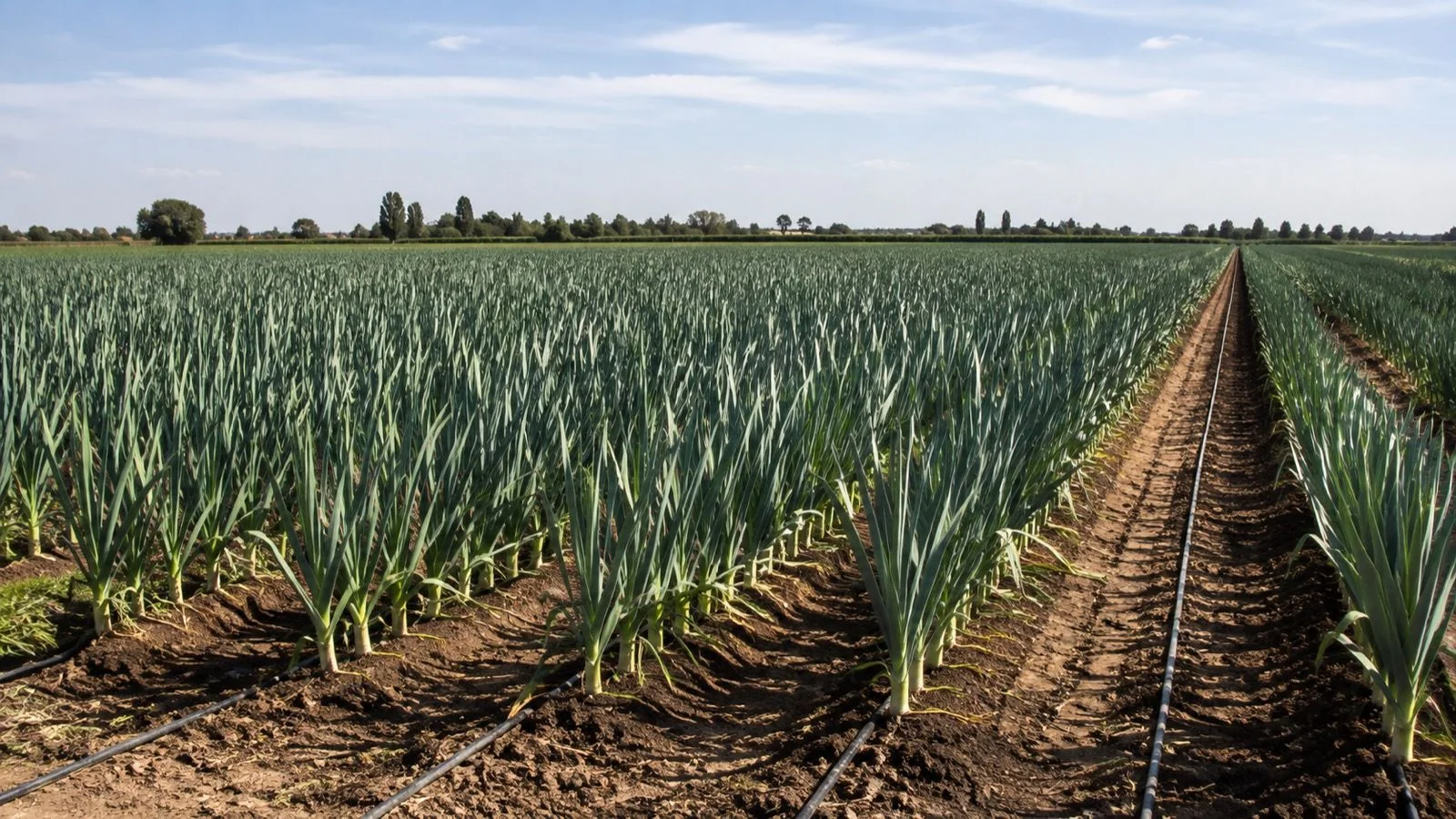
Long-term storage success begins in the field.
Cabbage heads should be:
-
Fully mature,
-
Free from mechanical damage and physiological diseases,
-
Clean, fresh, and dry.
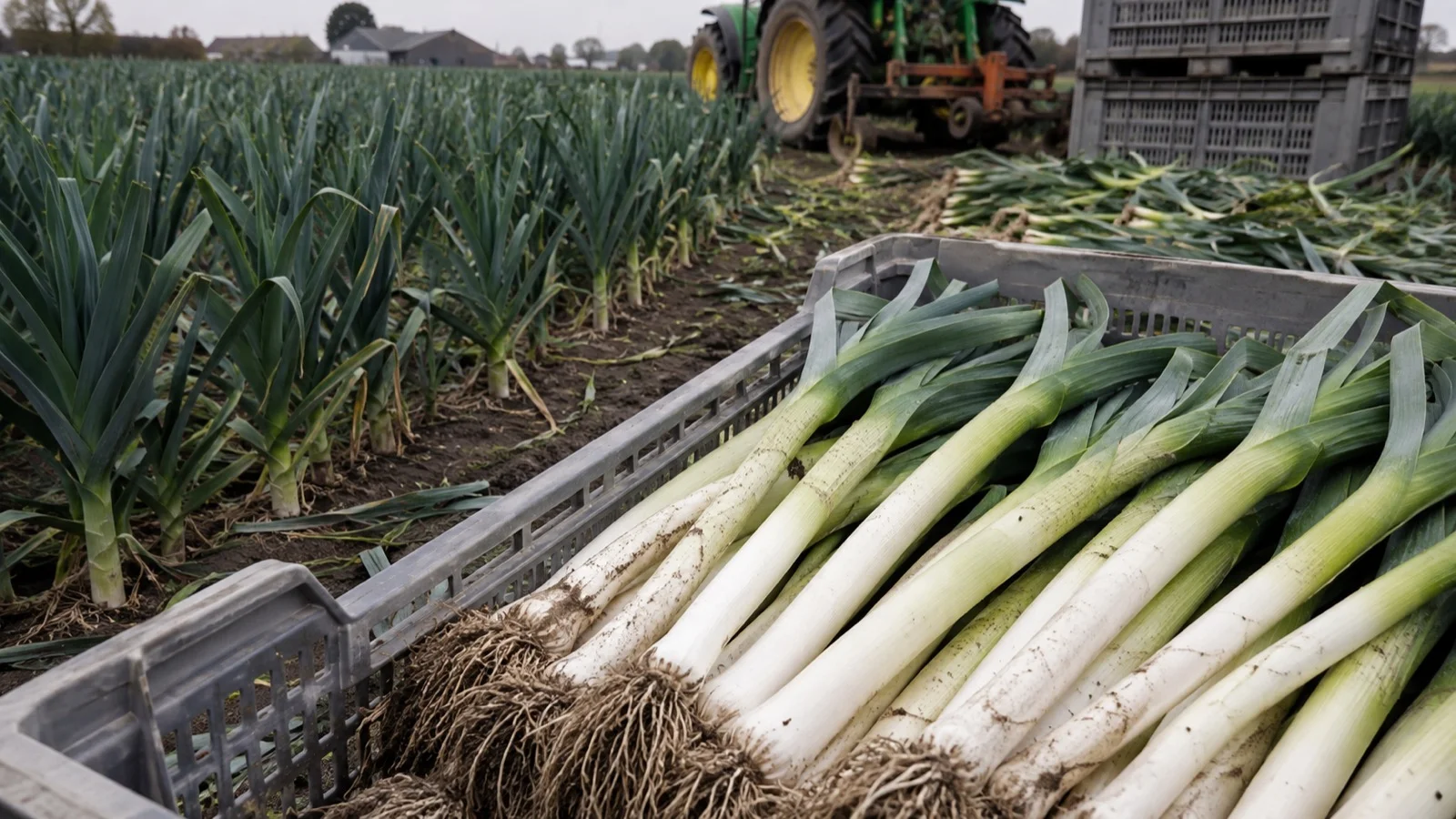
Since cabbage cannot heal wounds, even a small bruise can become an entry point for bacteria.
That’s why careful harvesting, transportation, and loading are essential.
Using rigid containers instead of bulk transport reduces mechanical stress and prevents spoilage during handling.

1. Fast Transition to Storage Mode
Once the crop is loaded, the facility must switch to storage mode immediately.
Early ventilation is crucial - it removes excess field heat, moisture, and CO₂ released during respiration.
In regions with mild autumn climates, natural outdoor air can be used for initial cooling. When the outside temperature drops below – 5 °C, systems should switch to internal air circulation to prevent freezing.
2. Ideal Storage Parameters
Cabbage stores best under the following conditions:
-
Temperature: 0 °C to –1 °C
-
Relative humidity: 90–95 %
Avoid lowering temperature faster than 1.5 °C per day.
A rapid drop will cause condensation on the cabbage surface, increasing the risk of fungal or bacterial decay.
Because cabbage contains a large amount of water, it continues to breathe actively during storage, producing heat, carbon dioxide, and water vapor. Without proper ventilation, this can lead to self-heating and rotting inside the pile.
3. Avoiding Chilling Injury
Excessive cooling can lead to chilling damage or internal browning. This occurs when the inner leaves freeze slightly, cutting off oxygen flow to the growing point - which then dies and begins to rot, even though the outer leaves appear healthy.
To avoid this:
-
Keep the incoming air temperature slightly below the cabbage temperature but not below –1 °C.
-
Use short ventilation cycles to maintain uniform air temperature and prevent freezing near walls or doors.
-
Maintain stable humidity to avoid dehydration.
4. Continuous Monitoring and Control
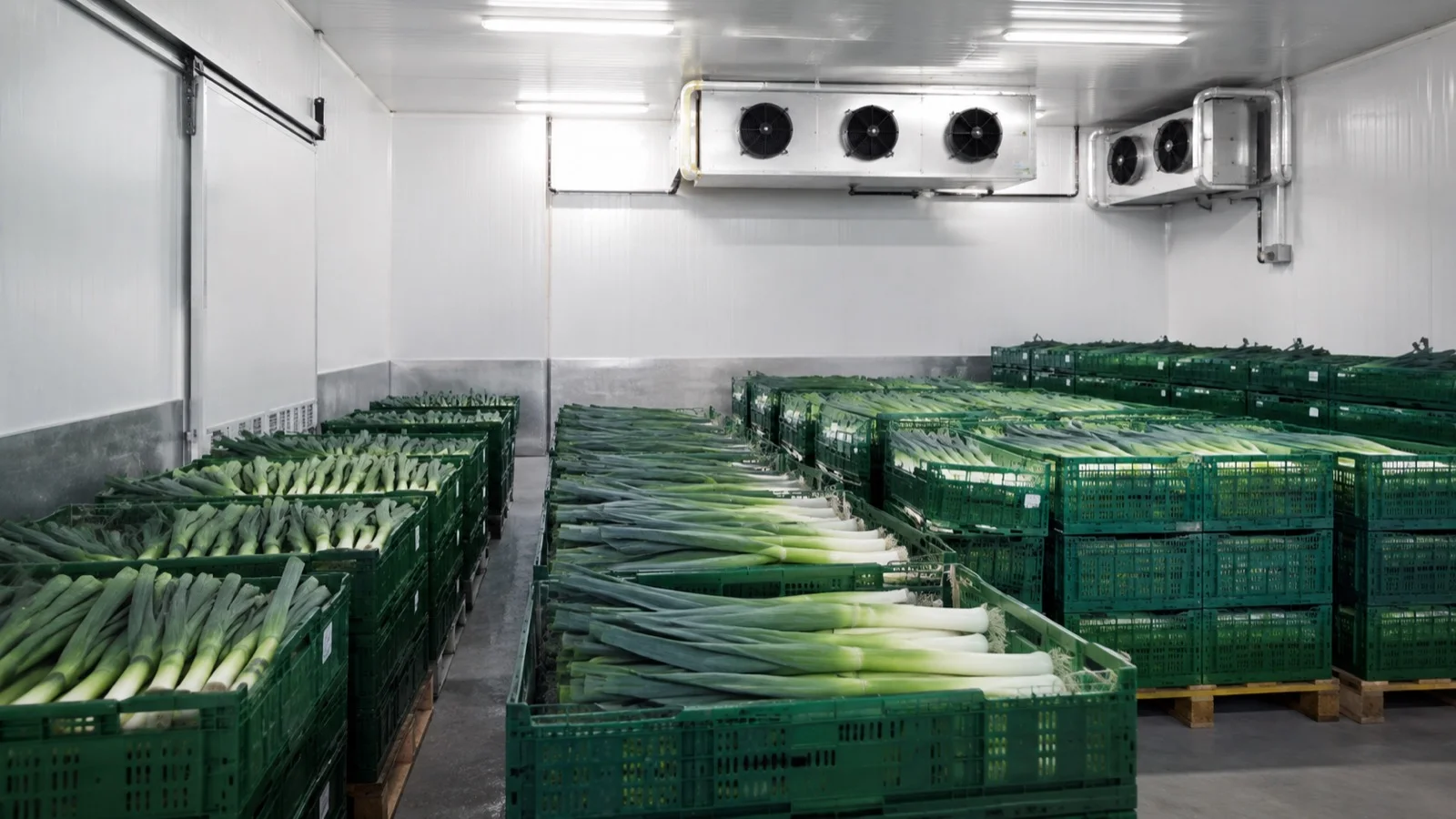
Temperature and humidity must be constantly monitored throughout the storage period. Professional cold rooms use multiple sensors positioned in different layers of the cabbage pile to ensure even cooling and prevent temperature differences between the top and bottom layers.
Agrovent’s automated microclimate systems continuously track and adjust temperature, humidity, and airflow to maintain optimal conditions - even in challenging climates with fluctuating external temperatures or unstable power supply.
Energy Efficiency and Climate Adaptation
In hot or humid regions, energy efficiency is key. Agrovent systems combine smart ventilation control with energy-saving cooling units that adapt to local conditions - whether it’s high humidity in India, dry heat in Saudi Arabia, or tropical instability in Africa.
This balance ensures reliable performance, reduced energy use, and consistent product quality.
Takeaway
Proper cabbage storage is not just about refrigeration - it’s about precise microclimate management. A controlled environment reduces waste, maintains freshness, and ensures a stable income for farmers, traders, and cooperatives.
With Agrovent’s microclimate technology, producers can:
-
Extend cabbage storage up to 8 months,
-
Reduce losses by up to 30–40%,
-
Ensure uniform quality and color across the entire batch.



More articles
 Why Absolute Humidity Matters More Than Relative Humidity
Understanding humidity is crucial for effective crop storage. Learn why absolute humidity, not relative, determines product quality and shelf life
News
Why Absolute Humidity Matters More Than Relative Humidity
Understanding humidity is crucial for effective crop storage. Learn why absolute humidity, not relative, determines product quality and shelf life
News
 Cold Storage as a Business: Rental Model for Fruit and Vegetable Storage
Cold storage isn’t just infrastructure - it’s a business. Around the world, rental cold rooms are becoming essential assets for farmers, traders, and exporters who need professional storage without the cost of building their own facilities. Here’s how the rental model works, why it’s profitable, and where it’s growing fastest.
Harvest
Cold Storage as a Business: Rental Model for Fruit and Vegetable Storage
Cold storage isn’t just infrastructure - it’s a business. Around the world, rental cold rooms are becoming essential assets for farmers, traders, and exporters who need professional storage without the cost of building their own facilities. Here’s how the rental model works, why it’s profitable, and where it’s growing fastest.
Harvest
 Cold Sweetening in Stored Potatoes: Reducing Sugars, Fry Colour and Acrylamide
How storage temperature, variety, maturity and reconditioning affect reducing sugars, fry colour and acrylamide risk in potatoes for chips and French fries.
News
Cold Sweetening in Stored Potatoes: Reducing Sugars, Fry Colour and Acrylamide
How storage temperature, variety, maturity and reconditioning affect reducing sugars, fry colour and acrylamide risk in potatoes for chips and French fries.
News
 Beets. Storage parameters
Preparation of the product. The volume of goods. Storage temperature.
News
Beets. Storage parameters
Preparation of the product. The volume of goods. Storage temperature.
News
 How to Extend Potato Shelf Life: 8 Expert Tips for Long-Term Storage
Discover how to store potatoes safely and profitably in warm or variable climates. Learn eight proven methods to prevent spoilage, reduce losses, and extend shelf life - from ventilation and temperature control to CO2 management and modern storage design.
News
How to Extend Potato Shelf Life: 8 Expert Tips for Long-Term Storage
Discover how to store potatoes safely and profitably in warm or variable climates. Learn eight proven methods to prevent spoilage, reduce losses, and extend shelf life - from ventilation and temperature control to CO2 management and modern storage design.
News
 Why broiler business is a good business idea?
Factors influencing the commercial attractiveness of a business idea for breeding broilers for meat
Why broiler business is a good business idea?
Factors influencing the commercial attractiveness of a business idea for breeding broilers for meat

Leave your contacts and we will get back to you