Existing building reconstruction
Can an old barn or warehouse be upgraded into a modern fruit and vegetable storage facility? Yes - but only if the structure meets today’s requirements for height, airflow, and microclimate control. This article explains when reconstruction is viable and how to integrate modern storage technology effectively.
Modernizing Old Buildings for Fruit & Vegetable Storage: What to Consider
Almost any existing building can be reconstructed and converted into a functional fruit and vegetable storage facility. Across many regions, it is common to refurbish older Soviet-era structures - barns, poultry sheds, former livestock buildings, or even old silo pits - and adapt them for modern agricultural use.
However, reconstruction is not always the cheaper option. In many cases, the total cost of retrofitting insulation, ventilation systems, refrigeration, and structural reinforcement becomes comparable to building a new arched, frameless hangar with the same storage capacity. This is why an in-depth technical and economic assessment is essential before committing to reconstruction.
The Ceiling-Height Limitation
One major drawback of legacy buildings is their low ceilings, which dramatically limit storage capacity. Today’s commercial vegetable stores typically use ceilings 8 meters or higher, enabling efficient stacking, better airflow design, and more tonnage per square meter.
Older buildings often cannot support high stacking due to:
-
insufficient structural height,
-
limited load-bearing capacity,
-
outdated floor slabs,
-
and poor airflow geometry.
This is a key factor influencing whether reconstruction is viable.
Adapting Modern Storage Technology
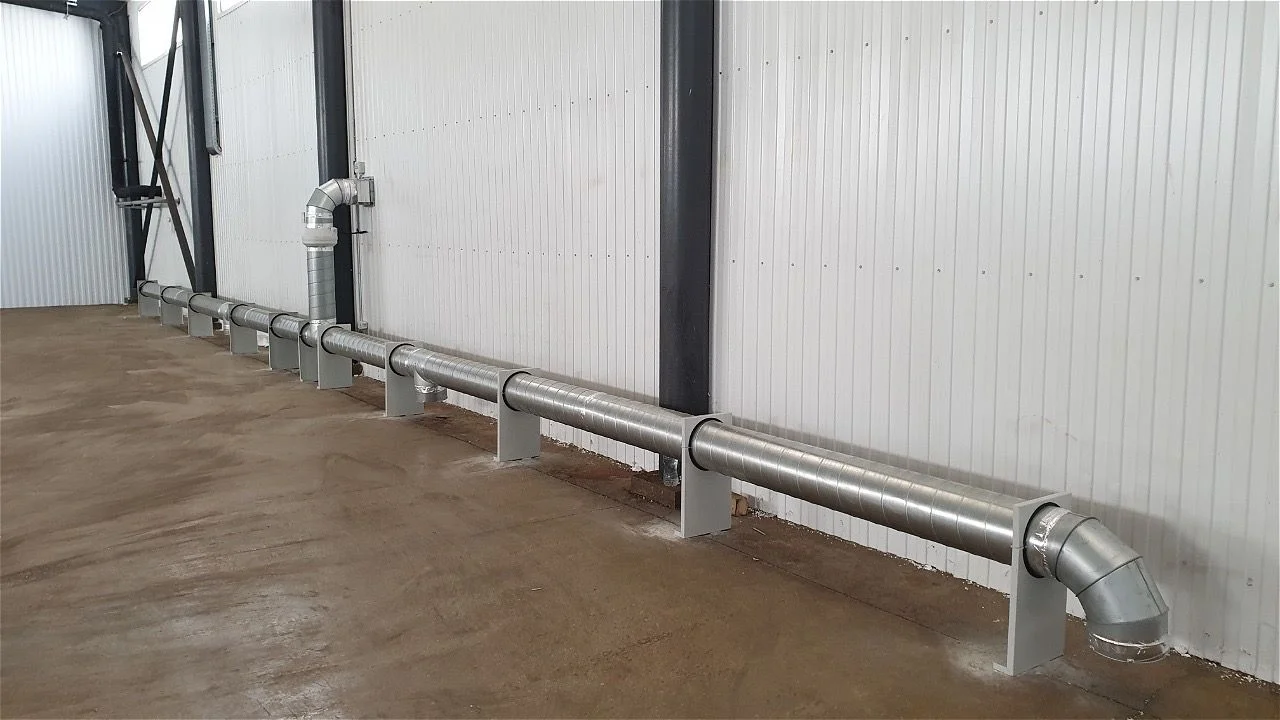
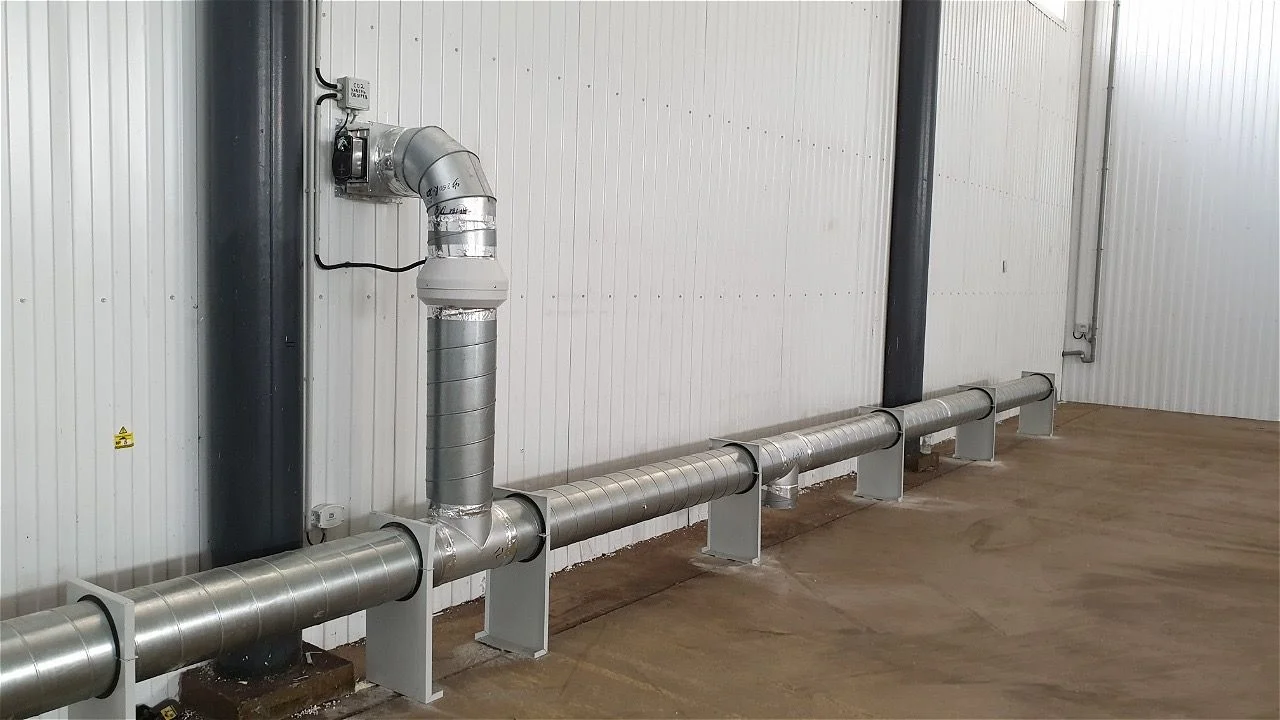
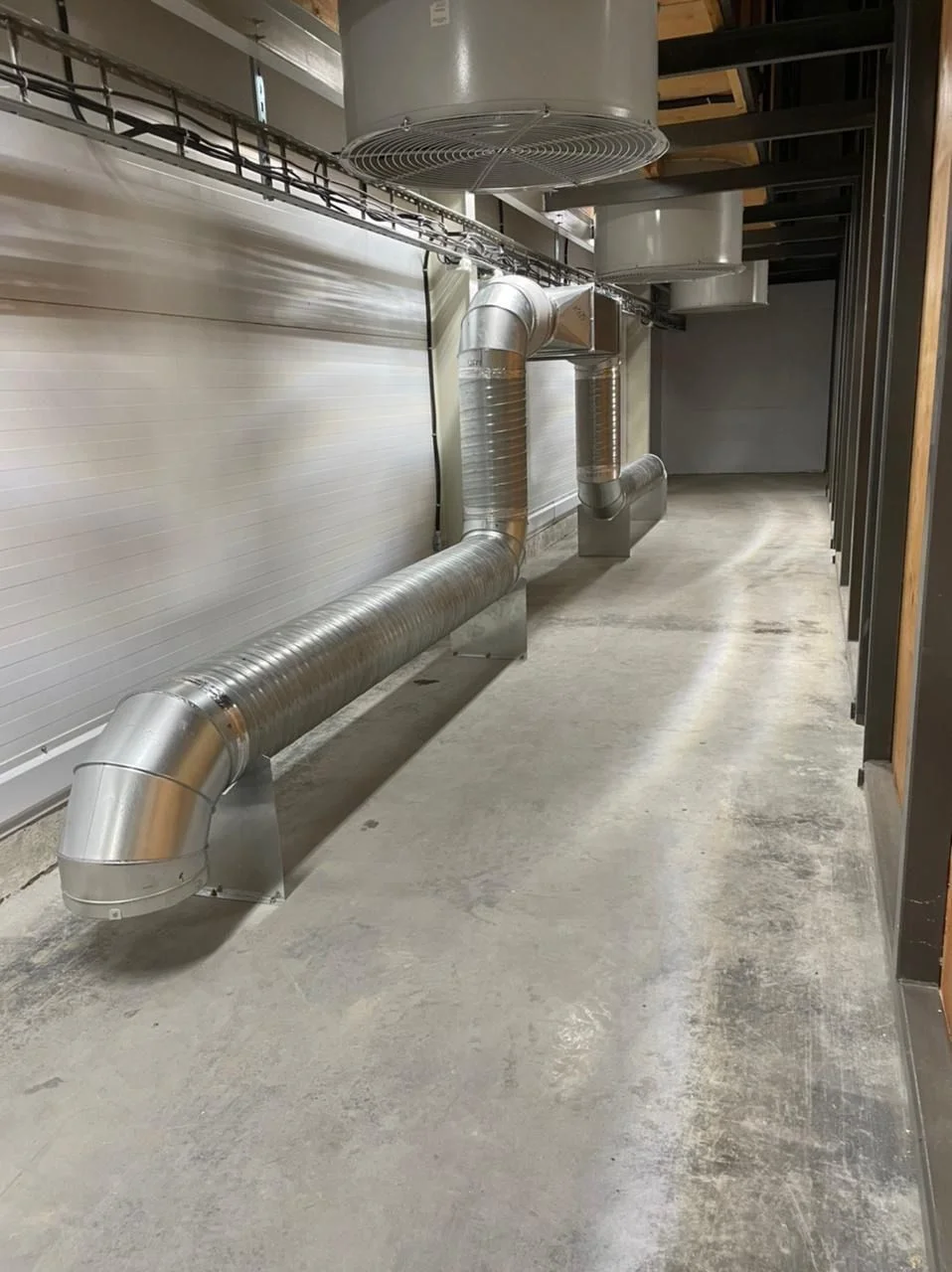
If reconstruction is chosen, the next step is selecting and integrating modern storage technologies:
-
ventilation systems sized for 200–250 m³/ton,
-
high-efficiency cooling units,
-
controlled-atmosphere or low-O₂ systems for long-term crops,
-
insulated sandwich panels,
-
automated climate control,
-
bulk or container-based storage layouts.
Correct adaptation ensures the building delivers stable microclimate control - the foundation of low post-harvest losses.



More articles
 How to prepare the vegetable storehouse for the potato storage season?
Learn how to prepare storage facilities, manage curing, prevent diseases, and handle potatoes correctly to ensure long-term quality and minimal losses
News
How to prepare the vegetable storehouse for the potato storage season?
Learn how to prepare storage facilities, manage curing, prevent diseases, and handle potatoes correctly to ensure long-term quality and minimal losses
News
 Carrot Harvest & Storage Guide: Field Practices, Cooling, and Long-Term Shelf Life
Learn how to harvest, handle, cool, and store carrots for maximum shelf life. From field management to microclimate control, discover best practices to reduce losses and preserve quality for up to 6 months
News
Carrot Harvest & Storage Guide: Field Practices, Cooling, and Long-Term Shelf Life
Learn how to harvest, handle, cool, and store carrots for maximum shelf life. From field management to microclimate control, discover best practices to reduce losses and preserve quality for up to 6 months
News
 Napa cabbage. Storage parameters
earn optimal conditions for long-term napa cabbage storage: temperature, humidity, and controlled atmosphere. Ideal solutions for India, Africa, and Saudi Arabia
News
Napa cabbage. Storage parameters
earn optimal conditions for long-term napa cabbage storage: temperature, humidity, and controlled atmosphere. Ideal solutions for India, Africa, and Saudi Arabia
News
 Tomato storage and growing technology
Learn how to store tomatoes for maximum shelf life and quality. Ripeness stages, temperatures, humidity, controlled atmosphere, ethylene treatment, sorbilene, and best practices for long-term tomato storage
Harvest
Tomato storage and growing technology
Learn how to store tomatoes for maximum shelf life and quality. Ripeness stages, temperatures, humidity, controlled atmosphere, ethylene treatment, sorbilene, and best practices for long-term tomato storage
Harvest
 Potato Storage in Bags vs Boxes: What Changes for Indian Operators?
A practical comparison of bag and box potato storage in India: airflow, handling damage, batch traceability, chamber capacity, labour and market access.
News
Potato Storage in Bags vs Boxes: What Changes for Indian Operators?
A practical comparison of bag and box potato storage in India: airflow, handling damage, batch traceability, chamber capacity, labour and market access.
News
 The gardens beneath the Ligurian Sea
How more than 100 different fruits and vegetables took root in Nemo's underwater garden
The gardens beneath the Ligurian Sea
How more than 100 different fruits and vegetables took root in Nemo's underwater garden

Leave your contacts and we will get back to you