Cabbage. Storage parameters

Recommended Storage Volume
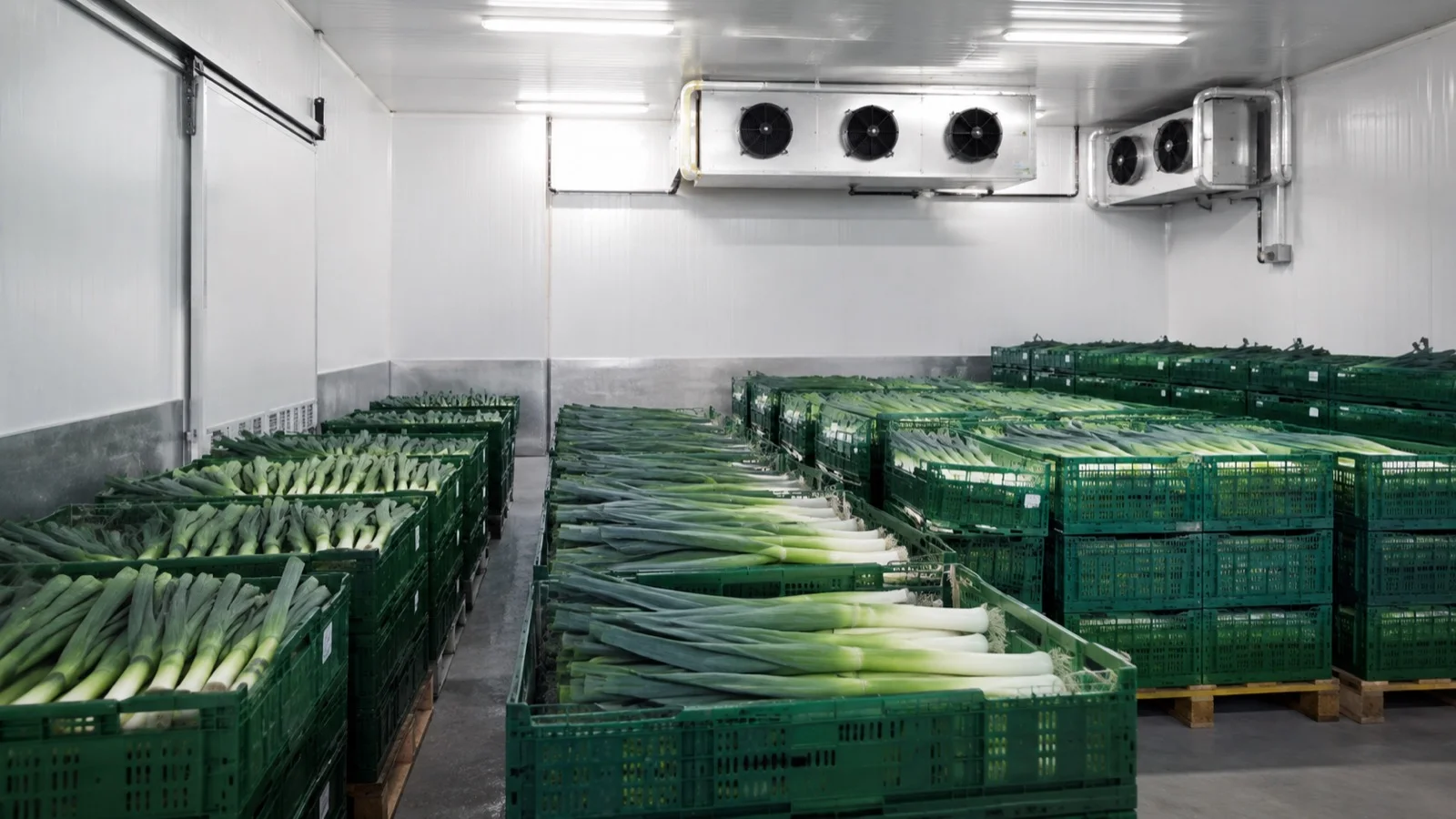
Cabbage is best stored in dedicated chambers or container-based systems with a total capacity of up to 1,500 tons.
Fresh-air supply is not required for this storage technology.
Optimal Temperature (t°C)
Maintain a stable storage temperature between –1°C and +1°C to preserve firmness and reduce decay.
Humidity
Relative humidity should be kept at 95% to minimize moisture loss and leaf dehydration.
CO₂ Levels
Excess carbon dioxide must be regularly removed.
Maximum allowable CO₂ concentration: ≤ 5%.
Storage Life
-
Year-round storage when using refrigeration systems.
-
Until April when using an aeration (active ventilation) system.
Storage Facility Parameters
Cabbage must be rapidly cooled immediately after harvest to prevent wilting and quality loss.
It is typically stored in durable containers to ensure stable airflow and efficient handling during loading and unloading.
Looking to modernize your cabbage storage for hot climates or large industrial facilities?
Contact us for engineered turnkey solutions tailored for India, Africa, and Saudi Arabia.



More articles
 Aquaculture development: challenges and optimization of sustainable industry
Industry and agriculture are keys to achieving sustainable development goals, and many of them are direct in fisheries and aquaculture.
News
Aquaculture development: challenges and optimization of sustainable industry
Industry and agriculture are keys to achieving sustainable development goals, and many of them are direct in fisheries and aquaculture.
News
 Mistakes storage
The maintenance of the quality of the product and its properties depends on the fixation of errors at each stage of the technological process
News
Mistakes storage
The maintenance of the quality of the product and its properties depends on the fixation of errors at each stage of the technological process
News
 Vegetable storage technology
Learn how to choose the right vegetable storage technology. Explore bulk and container systems, airflow methods, and microclimate control for long-term crop preservation.
Harvest
Vegetable storage technology
Learn how to choose the right vegetable storage technology. Explore bulk and container systems, airflow methods, and microclimate control for long-term crop preservation.
Harvest
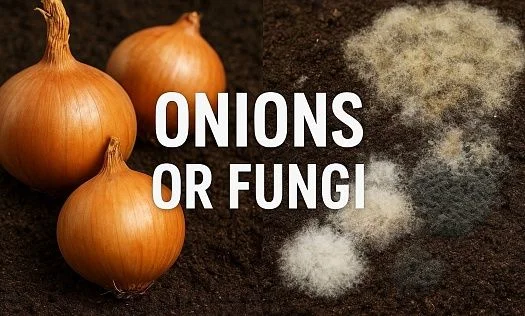 Onion Storage: How Temperature and Humidity Decide Whether Your Crop Survives
Onion storage is more than keeping bulbs in a room - it’s a constant battle against fungi. Every temperature range activates different pathogens, and without precise climate control, even a perfect harvest can deteriorate in weeks. Agrovent explains how to win this battle and keep your onions market-ready all season.
News
Onion Storage: How Temperature and Humidity Decide Whether Your Crop Survives
Onion storage is more than keeping bulbs in a room - it’s a constant battle against fungi. Every temperature range activates different pathogens, and without precise climate control, even a perfect harvest can deteriorate in weeks. Agrovent explains how to win this battle and keep your onions market-ready all season.
News
 Container storage
Discover the advantages of container vegetable storage: low spoilage, fast logistics, and stable climate control. Ideal for carrots, cabbage, potatoes and onions
Harvest
Container storage
Discover the advantages of container vegetable storage: low spoilage, fast logistics, and stable climate control. Ideal for carrots, cabbage, potatoes and onions
Harvest
 Why Apples Crack in Storage and How to Prevent It?
Stable temperature, humidity, and airflow keep potatoes and apples healthy during storage - preventing sprouting, cracking, and post-harvest losses.
Why Apples Crack in Storage and How to Prevent It?
Stable temperature, humidity, and airflow keep potatoes and apples healthy during storage - preventing sprouting, cracking, and post-harvest losses.

Leave your contacts and we will get back to you