Potassium Before Carrot Harvest: The Hidden Key to Long-Term Storage Success

Potassium Before Carrot Harvest — The Invisible Hero of Storage
Every growing season, farmers face the same challenge: how to produce carrots that not only look perfect at harvest, but also stay firm, sweet, and healthy during long storage.
Most growers focus on nitrogen - it boosts lush green tops and helps build mass. But when the goal shifts from growth to preservation, the nutrient that truly matters is potassium. Often underestimated, potassium determines whether carrots survive storage in good condition - or start to wilt, soften, and lose value within weeks.
The Role of Potassium in Carrot Maturity
As harvest approaches, the carrot’s physiology changes. The plant no longer invests energy in growing larger; instead, it strengthens internal structures to prepare for dormancy.
Potassium becomes the central regulator in this stage. It:
-
Strengthens cell walls and maintains firmness.
-
Balances water flow within tissues to prevent dehydration.
-
Converts starch into sugars, improving taste and metabolic stability.
This transformation defines whether a carrot stays crisp and aromatic after six months - or collapses after six weeks.
Why Potassium Matters More Than Ever
🥕 Builds firm, elastic tissues - prevents softening during cooling and transport.
🥕 Increases natural sugar content - enhances taste, sweetness, and texture.
🥕 Lowers respiration rate - slows energy consumption and extends shelf life.
🥕 Boosts disease resistance - protects against bacterial and fungal infections.
🥕 Reduces mechanical damage - prevents cracking during harvest and handling.
🥕 Improves color and density - creates rich orange pigmentation and higher dry matter.
Without adequate potassium, carrots may appear visually perfect at harvest but deteriorate quickly in storage. Early symptoms include slight softening, minor cracking, or surface wilting - followed by loss of sugars, weight reduction, and decay.
Carrots grown with proper potassium levels, on the other hand, maintain structure naturally - reducing the need for excessive cooling and minimizing post-harvest energy costs.
How and When to Apply Potassium
📅 Optimal timing: 3–4 weeks before harvest — when carrots reach physiological maturity.
⚗️ Best form: Potassium sulfate (K₂SO₄) — a chlorine-free source suitable for sensitive root crops.
🚜 Recommended rate: 25–35 kg of active K₂O per hectare, depending on soil type and irrigation system.
📈 Expected benefits: +30–40 % longer shelf life, 15–20 % less shrinkage, improved sweetness and storability.
Field Nutrition Defines Storage Success
Modern storage facilities - with cooling tunnels, humidification, and airflow systems - can only preserve what the plant already contains. No refrigeration system can replace the minerals the crop lacked in the field.
That’s why integrated crop and storage management must begin at the soil level. Ensuring proper potassium nutrition before harvest builds carrots that naturally resist temperature stress, dehydration, and disease.
Good storage doesn’t start in the cold room - it starts in the field. When carrots receive enough potassium in time, they don’t just survive storage - they thrive through it, keeping the flavor, texture, and freshness that consumers remember.
📞 Call: +971 50 437 7119
📧 Email: info@agrovent.com



More articles
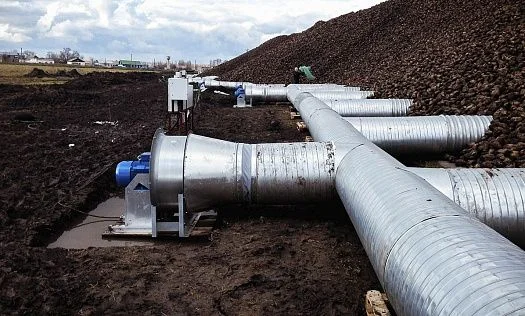 Airflow resistance of sugar beets
Learn how root size, debris, airflow direction, and packing density impact airflow resistance in sugar beet piles. Use data-driven design to size fans, avoid hot spots, and reduce sugar losses during 100–120 days of storage.
News
Airflow resistance of sugar beets
Learn how root size, debris, airflow direction, and packing density impact airflow resistance in sugar beet piles. Use data-driven design to size fans, avoid hot spots, and reduce sugar losses during 100–120 days of storage.
News
 Key Factors for Investing in Agriculture
Learn why agriculture is a stable long-term investment. Key benefits, risks, and strategies for choosing profitable agri projects in India, Africa, and the Middle East
News
Key Factors for Investing in Agriculture
Learn why agriculture is a stable long-term investment. Key benefits, risks, and strategies for choosing profitable agri projects in India, Africa, and the Middle East
News
 How does climate change affect the cultivation and storage of onions?
The effects of heat on onions. How to create ideal storage conditions for onions?
News
How does climate change affect the cultivation and storage of onions?
The effects of heat on onions. How to create ideal storage conditions for onions?
News
 Tomato storage and growing technology
Learn how to store tomatoes for maximum shelf life and quality. Ripeness stages, temperatures, humidity, controlled atmosphere, ethylene treatment, sorbilene, and best practices for long-term tomato storage
News
Tomato storage and growing technology
Learn how to store tomatoes for maximum shelf life and quality. Ripeness stages, temperatures, humidity, controlled atmosphere, ethylene treatment, sorbilene, and best practices for long-term tomato storage
News
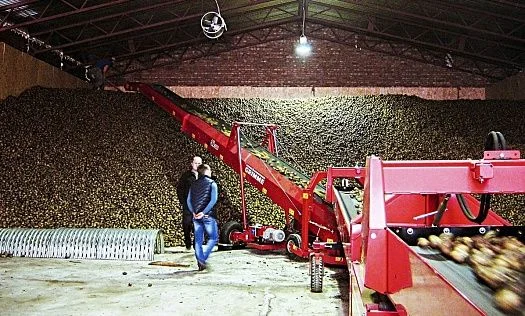 Bulk storage
Learn how bulk storage works: airflow design, microclimate control, perforated pipes, and slotted floors. Ideal for potatoes, onions, and beets in India, Africa, and Saudi Arabia.
News
Bulk storage
Learn how bulk storage works: airflow design, microclimate control, perforated pipes, and slotted floors. Ideal for potatoes, onions, and beets in India, Africa, and Saudi Arabia.
News
 Methods and ways of storing beet
Features of long-term storage of beets in a vegetable store
Methods and ways of storing beet
Features of long-term storage of beets in a vegetable store

Leave your contacts and we will get back to you