Aquaculture development: challenges and optimization of sustainable industry
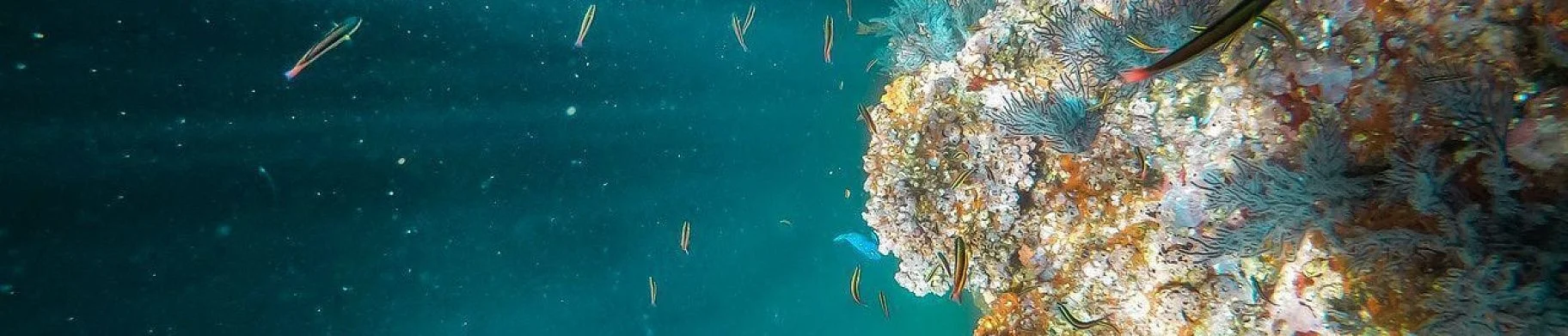
Microalgae have recently attracted considerable interest around the world due to their vast potential in the renewable energy, biopharmaceutical and nutraceutical industries. Microalgae are a renewable, sustainable and cost-effective source of biofuels, bioactive medicines and nutritional ingredients.
Aquaculture is used to make various products, the value of which is estimated at 6 billion U.S. dollars. Most of them are foodstuffs - $5 billion. The rest is hydrocolloids, which are extracted from algae, fertilizers and feed additives.
The industry uses 7.5-8 million tons of wet algae annually. They are collected either from naturally growing (wild) algae or from cultivated (grown) crops. Algae production has expanded rapidly as demand has exceeded the supply available in natural resources.
Seaweed application
Foodstuffs
The most famous use of algae in food. Obviously, you see algae in sushi rolls or salads, but did you know that some desserts, dressing, sauces are made with them?
Algae have an elastic texture due to the elements they contain. They are used in the food industry as thickeners and gels. If you see carrageenan, alginates or agar on the label, this product contains algae. Vegetarians and vegans may be familiar with agar, which replaces gelatin. It can also be used as a thickener for soups and puddings.
Cosmetic products: toothpaste, masks and shampoos
In addition to their gelling properties, seaweeds are known for their moisturizing, rejuvenating and anti-inflammatory properties. Algae can be found in facial masks, lotions, anti-aging serum, shampoos and even toothpaste.
Medicine
Agar found in algae is used as a nutrient medium in microbiological research. Algae are also used in a variety of ways and research on their medical benefits is ongoing. Some of the statements speak of the ability of red algae to improve our immune system, treat respiratory diseases and skin problems, etc. Algae also contain a large amount of iodine, which is a necessary element for humans. It is essential for the proper functioning of the thyroid gland.
Brown (e.g. brown algae and sargasses) and red algae are used in Chinese medicine. The use includes cancer treatment and treatment of goitre, pain and swelling, urinary tract infections and sore throat.
Red algae carrageenan is also thought to reduce transmission of human papillomavirus or HPV. This substance is used in lubricants, and researchers have found that it prevents HPV virions from penetrating the cells.
Combating climate change
In the process of photosynthesis, marine algae absorb carbon dioxide, which is the main cause of global warming and ocean acidification. Statistics show that 1 tonne of removed carbon dioxide per 2 tons of algae. In addition, algae can be used as biofuels.
Strategy for the sustainable development of aquaculture
The development of aquaculture and fisheries will make it possible:
- Create a program of subsidies and support for farmers involved in the sector;
- Ensure equitable distribution of benefits and costs;
- Provide jobs;
- Ensure food security;
- Take care of the environment for the benefit of future generations;
- The development of aquaculture in an orderly manner through the organization of authorities and industry.



More articles
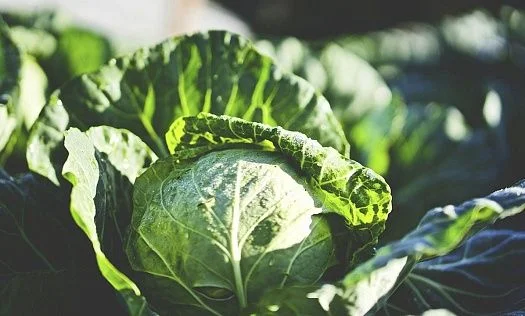 Cabbage. Storage parameters
Discover optimal conditions for long-term cabbage storage: temperature, humidity, and CO₂ standards. Engineered solutions for India, Africa, and Saudi Arabia.
Microclimate
Cabbage. Storage parameters
Discover optimal conditions for long-term cabbage storage: temperature, humidity, and CO₂ standards. Engineered solutions for India, Africa, and Saudi Arabia.
Microclimate
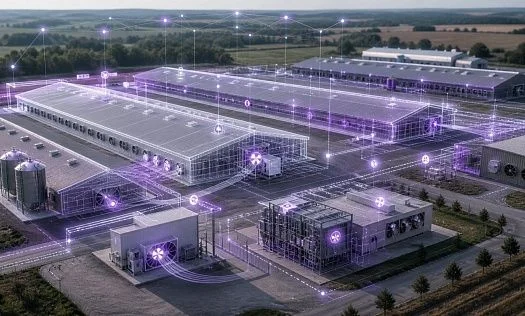 Agilias: Domain-First Industrial Intelligence for Real Production Sites
Agilias was not born as a software experiment looking for a market. It grew from Agrovent’s engineering work with real production sites, where climate systems, equipment, people and economics meet every day.
News
Agilias: Domain-First Industrial Intelligence for Real Production Sites
Agilias was not born as a software experiment looking for a market. It grew from Agrovent’s engineering work with real production sites, where climate systems, equipment, people and economics meet every day.
News
 Livestock housing ventilation technologies
Learn how accelerator fans improve heat dissipation, stabilize barn microclimates, and increase milk yield by optimizing airflow for dairy cattle
News
Livestock housing ventilation technologies
Learn how accelerator fans improve heat dissipation, stabilize barn microclimates, and increase milk yield by optimizing airflow for dairy cattle
News
 Key Factors for Investing in Agriculture
Learn why agriculture is a stable long-term investment. Key benefits, risks, and strategies for choosing profitable agri projects in India, Africa, and the Middle East
Microclimate
Key Factors for Investing in Agriculture
Learn why agriculture is a stable long-term investment. Key benefits, risks, and strategies for choosing profitable agri projects in India, Africa, and the Middle East
Microclimate
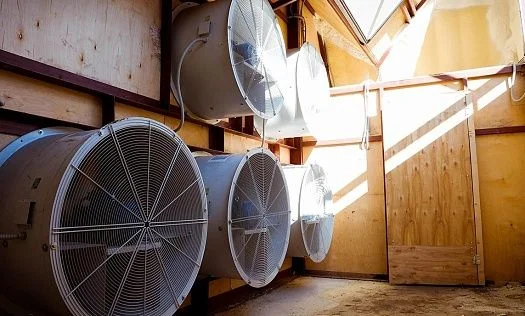 How to Select Fans for Potato Storage: Airflow, Static Pressure and Uniformity
A practical guide to selecting potato storage fans from the system curve, crop resistance, duct layout, operating modes, energy use and airflow uniformity.
News
How to Select Fans for Potato Storage: Airflow, Static Pressure and Uniformity
A practical guide to selecting potato storage fans from the system curve, crop resistance, duct layout, operating modes, energy use and airflow uniformity.
News
 Tomato storage and growing technology
Learn how to store tomatoes for maximum shelf life and quality. Ripeness stages, temperatures, humidity, controlled atmosphere, ethylene treatment, sorbilene, and best practices for long-term tomato storage
Tomato storage and growing technology
Learn how to store tomatoes for maximum shelf life and quality. Ripeness stages, temperatures, humidity, controlled atmosphere, ethylene treatment, sorbilene, and best practices for long-term tomato storage

Leave your contacts and we will get back to you