Why Apples Crack in Storage and How to Prevent It?
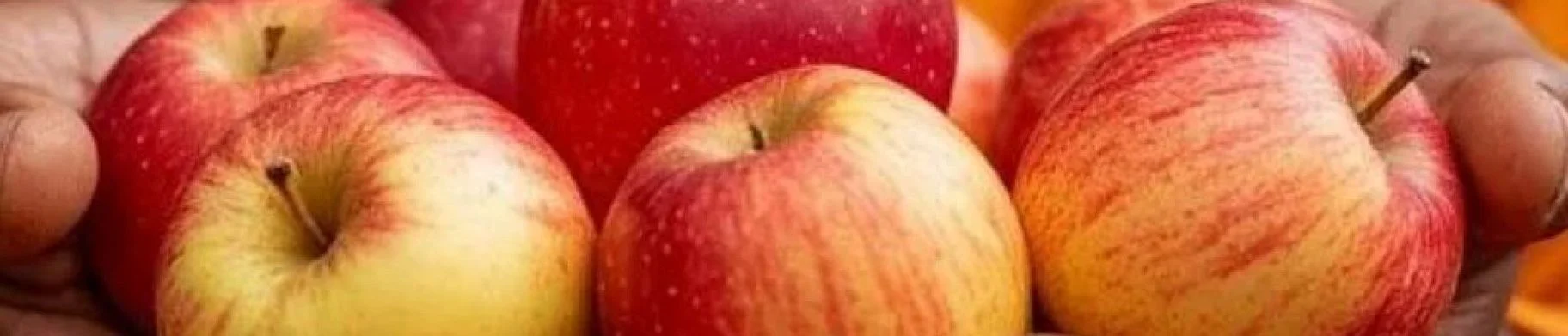
 Why Do Apples Crack During Storage?
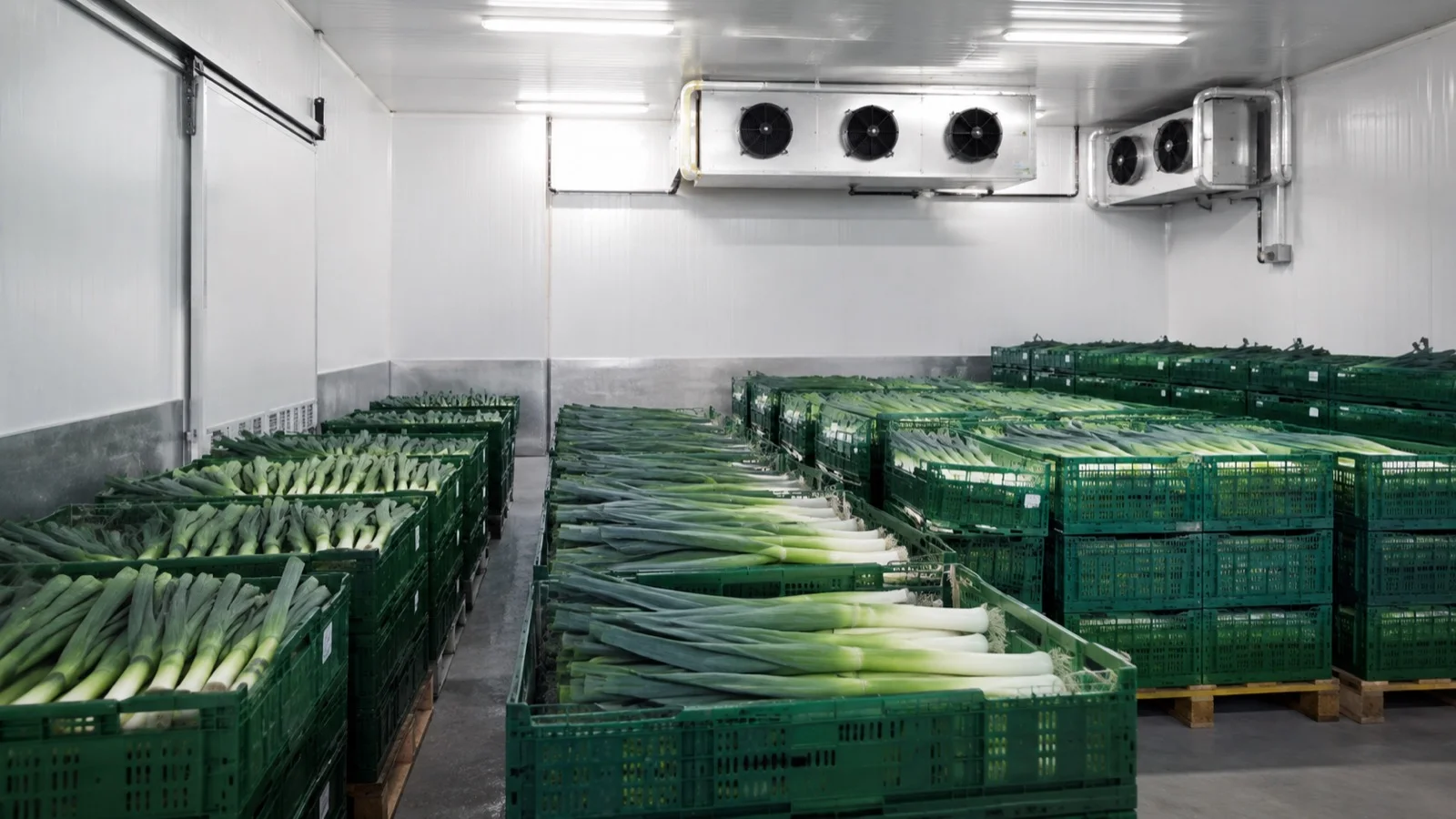
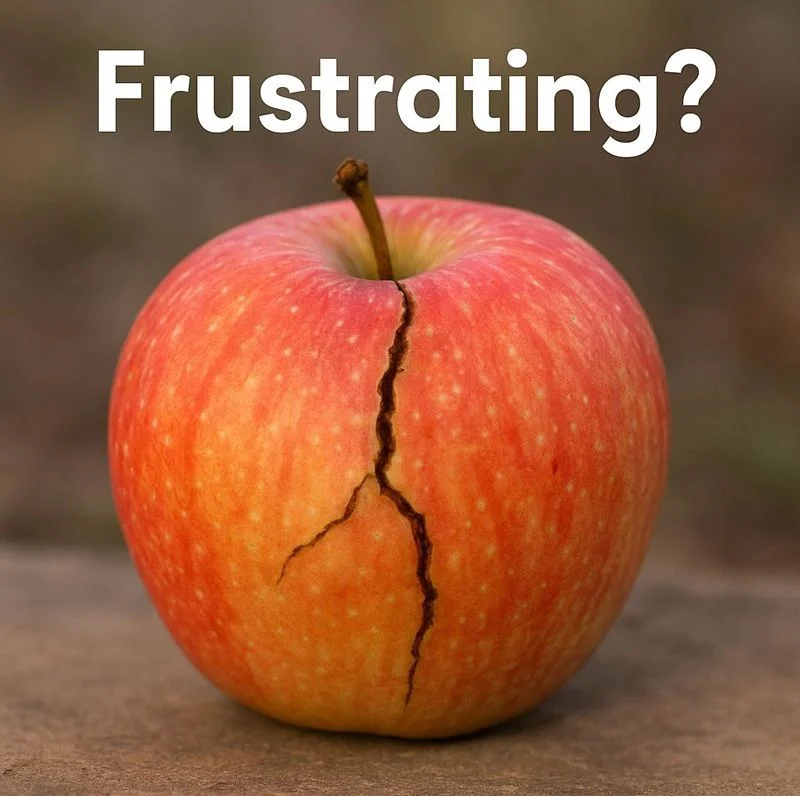
Imagine this: you’ve got a batch of gorgeous, shiny apples. You store them in a perfect controlled-atmosphere chamber — humidity balanced, temperature steady, oxygen and CO₂ levels just right — and then, after a month or two… crack! The skin splits, and all that effort feels wasted. Sounds familiar? You’re not alone.
So, what’s going on here?
1. Mineral balance. Calcium and boron aren’t just fancy lab terms — they’re essential for strong, elastic cell walls. When there’s not enough, the fruit’s skin becomes weak and tears easily with even a small humidity or temperature change. Too much nitrogen, on the other hand, makes apples watery and thin-skinned, like paper — and one small bump can cause damage.
2. Humidity control. Too much moisture and the apple swells, bursting from internal pressure. Too little — and it dries out, the skin tightens, and eventually cracks. The key is keeping humidity right in the sweet spot, adapting it dynamically throughout storage.
3. Maturity at harvest. Timing is everything. Apples picked too late lose resilience. Even the best-regulated atmosphere — perfect oxygen and carbon dioxide ratios — can’t completely stop the breakdown that follows over-maturity. You might slow it, but you won’t reverse it.
4. Variety sensitivity. Some types — Gala, Fuji, Red Delicious — are simply more delicate. Their thinner skin means they react sharply to every storage mistake.
How to Prevent Cracking
- Feed trees with calcium and boron during the growing season.
- Keep humidity stable and actively regulate O₂, CO₂, and temperature in storage.
- Don’t mix fruits of different maturity levels — store uniform batches.
- Handle apples gently during loading — avoid bruising or pressure.
Remember: the strength of an apple’s cell wall decides how long it stays beautiful. Ignore mineral balance or climate stability — and you’ll lose shine, money, and patience. But care for your fruit properly, and those apples will reward you with crispness and color right through to spring. 🍎✨



More articles
 Crop rotation: how crop rotation helps to increase yields and maintain soil fertility
Learn why crop rotation improves soil health, breaks pest cycles, prevents nutrient depletion, and boosts yields. Practical tips for building an effective rotation system
News
Crop rotation: how crop rotation helps to increase yields and maintain soil fertility
Learn why crop rotation improves soil health, breaks pest cycles, prevents nutrient depletion, and boosts yields. Practical tips for building an effective rotation system
News
 3 factors to maximize sugar beet yield
How to properly grow sugar beets?
Harvest
3 factors to maximize sugar beet yield
How to properly grow sugar beets?
Harvest
 Why Absolute Humidity Matters More Than Relative Humidity
Understanding humidity is crucial for effective crop storage. Learn why absolute humidity, not relative, determines product quality and shelf life
News
Why Absolute Humidity Matters More Than Relative Humidity
Understanding humidity is crucial for effective crop storage. Learn why absolute humidity, not relative, determines product quality and shelf life
News
 Onion Storage Systems for Hot and Humid Climates
Engineering principles for curing, ventilation, cooling and humidity control in onion storage facilities operating in hot, humid and tropical climates.
News
Onion Storage Systems for Hot and Humid Climates
Engineering principles for curing, ventilation, cooling and humidity control in onion storage facilities operating in hot, humid and tropical climates.
News
 How to reduce post-harvest losses most effectively and quickly?
Discover sustainable cold storage and mobile berry cooling solutions that cut food loss, reduce CO₂ emissions, and protect harvests in hot climates.
News
How to reduce post-harvest losses most effectively and quickly?
Discover sustainable cold storage and mobile berry cooling solutions that cut food loss, reduce CO₂ emissions, and protect harvests in hot climates.
News
 Vegetable proteins for life
New vegetable protein products are a variety of options that can satisfy the taste of almost any person.
Vegetable proteins for life
New vegetable protein products are a variety of options that can satisfy the taste of almost any person.

Leave your contacts and we will get back to you