Vegetable proteins for life

New vegetable protein products are a variety of options that can satisfy the taste of almost any person. Conscious nutrition is in fashion: organic food, vegetarian food, super food, match tea... There is a feeling that if you are not in theme and do not chew soy steak for brunch, then you are a conservative who not only unconsciously relates to what he eats, but also laughs in the face of global problems. Is that really true? We wrote more than once about problem number one: "How to feed 10 billion people by 2050?" The common opinion of scientists engaged in sustainable development of human health is that we will have to start eating proteins of alternative origin. This is an alarming bell for the global animal protein industry that is causing the necessary changes. Over the past 20 years, the industry has focused on increasing meat production to meet the growing number of people who need animal protein.
However, this is not enough and mankind will have to change their eating habits, improve food production and reduce food waste. At present, alternative vegetable proteins still occupy less than 0.5% of the market, and lab-grown meat is not on sale.
Vegetable protein products are still more expensive than our usual meat. And this is due to the significant costs of promoting and popularizing such products on the market, because we are nurtured in the taste for the still unfamiliar food. Even giants like Mcdonalds are introducing alternative meatless burgers into the menu. As the population grows, animal protein will not be enough to meet human needs and vegetable protein products can be a good alternative to meat, but in the long run they cannot replace it permanently. Producer companies need to start thinking about innovative approaches to the whole chain, from production to marketing. From the provision of inputs and ways to grow, care for animals to processing, production and distribution through distribution networks. Time dictates new rules of the game, and automation is becoming a necessity for accurate agricultural practices. in terms of animal health and welfare, as well as improving the efficiency of the production process.



More articles
 Fast-Build Arch-Type Storage Facilities: A Cost-Effective Solution
In many developing regions, post-harvest losses still reach 20–40%. Traditional warehouses are too expensive and slow to build - but arch-type storage hangars offer a faster, cheaper, and highly effective alternative. Here’s why this model is transforming agricultural supply chains across Africa, India, South and Southeast Asia, and Latin America.
News
Fast-Build Arch-Type Storage Facilities: A Cost-Effective Solution
In many developing regions, post-harvest losses still reach 20–40%. Traditional warehouses are too expensive and slow to build - but arch-type storage hangars offer a faster, cheaper, and highly effective alternative. Here’s why this model is transforming agricultural supply chains across Africa, India, South and Southeast Asia, and Latin America.
News
 Carrot Harvest & Storage Guide: Field Practices, Cooling, and Long-Term Shelf Life
Learn how to harvest, handle, cool, and store carrots for maximum shelf life. From field management to microclimate control, discover best practices to reduce losses and preserve quality for up to 6 months
News
Carrot Harvest & Storage Guide: Field Practices, Cooling, and Long-Term Shelf Life
Learn how to harvest, handle, cool, and store carrots for maximum shelf life. From field management to microclimate control, discover best practices to reduce losses and preserve quality for up to 6 months
News
 What is permaculture?
Basic principles and history of permaculture
Microclimate
What is permaculture?
Basic principles and history of permaculture
Microclimate
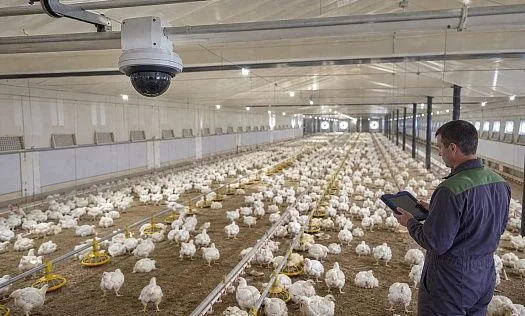 From CCTV to Flock Intelligence: A Practical ValentinaCV Pilot
ValentinaCV turns existing poultry-house video into a structured seven-day behaviour audit — without replacing the climate controller or taking control away from farm staff.
From CCTV to Flock Intelligence: A Practical ValentinaCV Pilot
ValentinaCV turns existing poultry-house video into a structured seven-day behaviour audit — without replacing the climate controller or taking control away from farm staff.
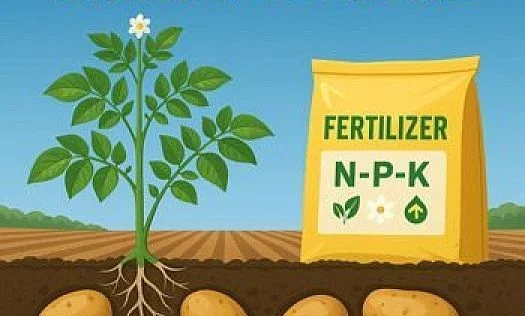 Rethinking Potato Storage: How Fertilization Shapes Post-Harvest Quality
Discover why potato storage success begins long before harvest. Learn how potassium, nitrogen, calcium, and micronutrients influence firmness, sprouting, and storability - and how a proper nutrition plan can reduce losses and boost marketable yield.
News
Rethinking Potato Storage: How Fertilization Shapes Post-Harvest Quality
Discover why potato storage success begins long before harvest. Learn how potassium, nitrogen, calcium, and micronutrients influence firmness, sprouting, and storability - and how a proper nutrition plan can reduce losses and boost marketable yield.
News
 Collection, processing and storage of carrots
How to ensure long-term storage of carrots?
Collection, processing and storage of carrots
How to ensure long-term storage of carrots?

Leave your contacts and we will get back to you