How to prevent storage potato diseases?
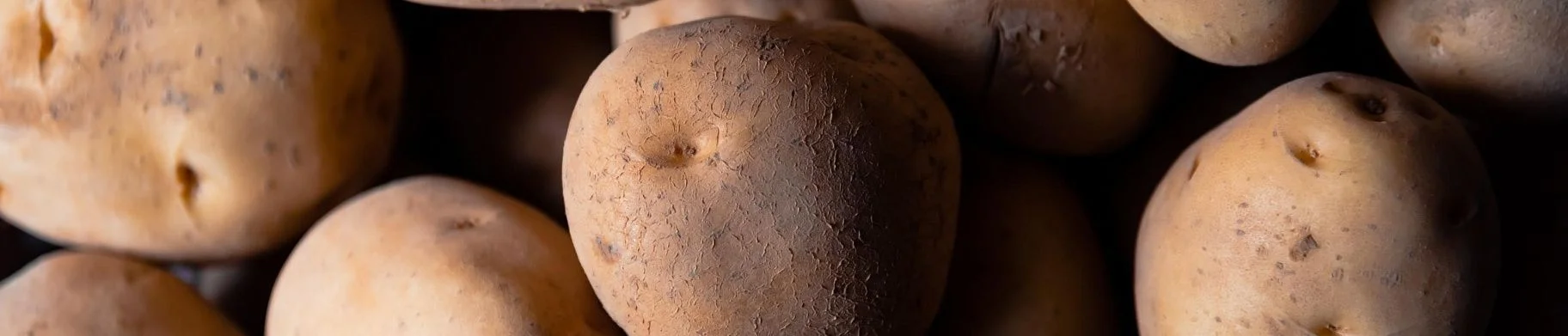
Storage management can be greatly simplified if disease prevention measures are taken while still in the field. Fungicides and cultural methods to control diseases such as phytophthora, pink rot and Alternaria can reduce the percentage of diseased tubers in storage.
Avoiding physical damage to potatoes is one of the best solutions. All of the pathogens discussed in the previous article can enter tubers through wounds inflicted during harvesting or processing. When storing potatoes, some fungicides and disinsectants can be applied to the tubers to protect them from damage.
How to do prevention in the off-season?
Some diseases, such as silver scab, can pass from one season to the next because the causative pathogens persist in the storage facilities themselves. It follows that after each emptying of a storage facility, all chambers and loading and unloading equipment must be cleaned and disinfected before processing and storing a new crop. The disinfection of storage and loading and unloading equipment consists of three steps.
1. Removing dirt. All disinfectants approved for use in potato storage facilities become less effective or not effective at all because of the dirt and organic matter in the storage facility. Therefore, it is extremely important to remove it completely.
2. Washing. Warm or hot water is more effective than cold water. Steam washes are also a good choice, but they do not disinfect storage surfaces or equipment because the duration of steam exposure is too short.
Water and detergent will help dissolve and remove dried tuber sap and bacterial slime that settles on surfaces in order for the disinfectant to work properly in the next step.
3. Disinfecting. Use an appropriate, certified disinfectant and make sure the solutions stay on surfaces for at least 10 minutes. Use a sprayer with sufficient pressure and volume to effectively clean all surfaces.
Many fungal spores have tough, resilient cell walls, and bacteria in storage areas are often found as dried slime. Ten minutes gives the disinfectant the time it needs to penetrate the cell wall of the fungus or dissolve the bacterial mucus and kill the pathogen.
How to administer prophylaxis during storage?
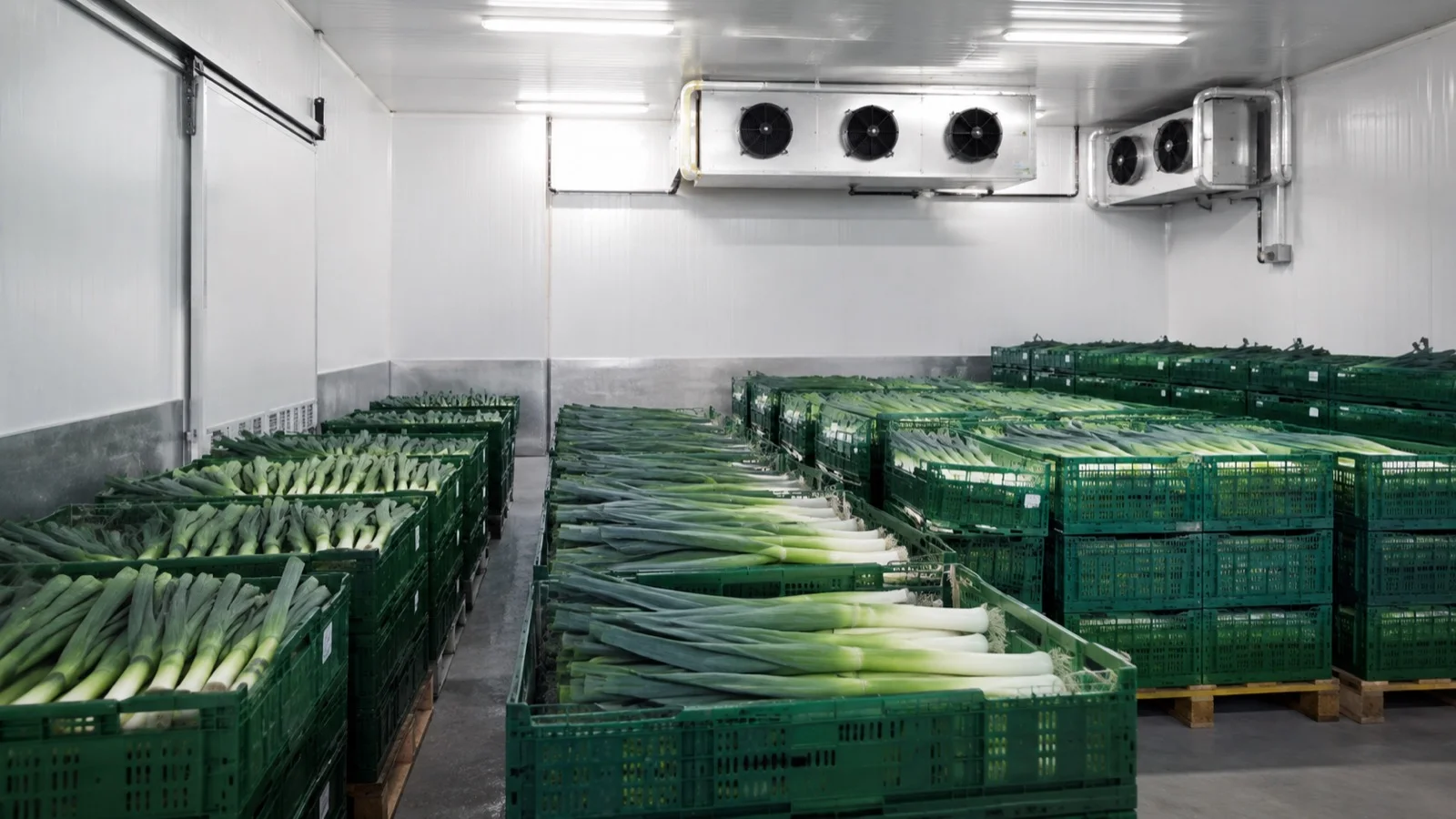
There are three basic tools for controlling storage: temperature, humidity and ventilation. Balanced use of these tools is the key to controlling potato storage diseases.
Cooling period. If potatoes are harvested at temperatures above 15°C, they should be cooled during the first 2-3 days after harvesting and the duration of fresh air access should be maximized. This is especially true for tubers with phytophthora, pink, pythium, and wet rot, because the higher the temperature, the faster the decomposition.
Direct a large amount of air onto the potatoes to lower the temperature of the tubers and dry out the moisture. Continue to lower the storage temperature to the desired temperature. Be careful, for example, heating cold potatoes quickly can cause condensation to form on the surface of the potatoes and increase the likelihood of disease development.
The healing period. This period is important for treating cuts and bruises, reducing the spread of pathogens, and minimizing shrinkage losses. Oxygen, high humidity, and favorable temperatures are necessary for wound healing.
The recommended storage regimen for wound healing and curing is usually 10-12°C for 2-3 weeks with good ventilation and a relative humidity of 95% or higher. Even these relatively cool temperatures will not save from rose or pythium rot. If disease severity is high, the temperature will have to be lowered even more. However, this can lead to slower wound healing.
Use constant ventilation to dry moist potatoes. If "hot spots" begin to form during curing, supply a strong air flow to this area to prevent additional spread of pathogens. The air flow should be sufficient to dry the moisture released by the decomposing tubers. Additional ventilation can be provided by auxiliary fans at the top of the mound or in ducts under the trouble spots.
Aging period. After the previous steps, gradually reduce the storage temperature. Although lower holding temperatures usually reduce the rate of disease development, any storage decision involving temperature adjustments must consider the final use of the potatoes. Treated potatoes usually need to be stored at higher temperatures (6 to 12°C) than seed potatoes (3 to 7°C), and so such luxuries as low storage temperatures are not available. Drying wet or problem potatoes, especially those with wet, pink or pythium rot, may require continuous fan operation and strong airflow.
Continuous ventilation will also reduce the likelihood of condensation in the storage area. Remember that low storage temperatures, while an effective management tool in many situations, are no guarantee that disease development will stop.
Depending on the nature and percentage of rot in the storage area, the mound may need additional dehumidifying ventilation with reduced humidity air. However, reduced humidity results in additional shrinkage and also slows wound healing, which can increase the incidence of dry rot. Reducing the relative humidity in storage to 85% or less can also reduce the secondary spread of the silver scab pathogen.
Proper identification of the disease causing the storage problem allows optimal use of these tools to limit pathogen spread and disease development in the storage facility. Keep in mind that any deviation from normal storage practices can reduce the quality of stored potatoes. In some conditions, early realization may be the only option to preserve the value of your crop.
Do you need a potato storage ? Call +971504377119, email info@agrovent.com . Or contact our specialist via messenger using the form in the lower right corner of the screen.



More articles
 Agritechnica, we’re coming!
We announce participation in the exhibition Agritechnica-2019, Hannover, meet us!
News
Agritechnica, we’re coming!
We announce participation in the exhibition Agritechnica-2019, Hannover, meet us!
News
 Smallholder farmers on the road to sustainable agriculture
What steps smallholder farmers are taking to adapt agriculture to climate changes and what should they learn from them?
Harvest
Smallholder farmers on the road to sustainable agriculture
What steps smallholder farmers are taking to adapt agriculture to climate changes and what should they learn from them?
Harvest
 Cold Sweetening in Stored Potatoes: Reducing Sugars, Fry Colour and Acrylamide
How storage temperature, variety, maturity and reconditioning affect reducing sugars, fry colour and acrylamide risk in potatoes for chips and French fries.
News
Cold Sweetening in Stored Potatoes: Reducing Sugars, Fry Colour and Acrylamide
How storage temperature, variety, maturity and reconditioning affect reducing sugars, fry colour and acrylamide risk in potatoes for chips and French fries.
News
 Protein XXI: plant-based meat analogues
Where can I get protein from and not harm the environment?
News
Protein XXI: plant-based meat analogues
Where can I get protein from and not harm the environment?
News
 9 unusual products of the future
What will the food of the future be like?
News
9 unusual products of the future
What will the food of the future be like?
News
 How to Store Potatoes Properly: 7 Proven Rules for Long-Term Preservation
Discover how to store potatoes for months without loss. Learn how to sort, dry, cool, and manage humidity to keep your harvest healthy and fresh with Agrovent’s climate control systems.
How to Store Potatoes Properly: 7 Proven Rules for Long-Term Preservation
Discover how to store potatoes for months without loss. Learn how to sort, dry, cool, and manage humidity to keep your harvest healthy and fresh with Agrovent’s climate control systems.

Leave your contacts and we will get back to you