From Orchard to Bottle: How Apple Growers Can Profit from the Global Cider Boom

The Global Rise of Cider: A New Path for Apple Growers
Every autumn brings a familiar sight - crates full of ripe apples ready for harvest. But what happens next? Beyond traditional sales and storage, there’s a fast-growing opportunity that’s reshaping the apple industry worldwide: cider production.
Cider - the lightly fermented apple drink - has become one of the most promising ways for growers to diversify their income and add value to their crops. The global cider market is expanding rapidly, with steady double-digit growth year after year.
Countries with long cider traditions, such as Spain, France, and the United Kingdom, have already built powerful industries around it. In the UK alone, specialized cider apple orchards supply over 60% of Europe’s cider apples - thanks to the region’s ideal growing climate and centuries-old know-how.
Now, apple growers across Africa, India, and the Gulf region are beginning to explore this market too, using modern processing and climate-control technologies to produce premium craft ciders adapted to local tastes.
Turning Apples into Opportunity
Starting an orchard requires serious investment — from drainage and soil preparation to planting, fertilization, and equipment. Labour costs have risen globally, putting additional pressure on producers.
However, those who plan smartly and optimize post-harvest handling can turn a good harvest into a profitable value-added product.
Key management steps for successful orchards include:
-
Balanced fertilization: Apply nitrogen, potassium, and magnesium in small, regular doses to improve nutrient uptake and reduce leaching losses.
-
Precision timing: Adjust fertilizer rates based on crop potential throughout the season.
-
Variety planning: Choose cultivars with staggered harvest times - from early to late - to spread the workload and stabilize production.
Harvest generally starts in September and continues until December, depending on the variety and local climate.
Choosing the Right Varieties for Cider Production
The best apples for cider are not the sweetest. Instead, they should have balanced acidity and tannins - giving cider its refreshing, slightly tart character.
Late-ripening cultivars often perform best, but early varieties can also produce great results when blended. Many producers mix several apple types to create the perfect flavor profile.
Popular cider varieties include Granny Smith, Jonathan, and other aromatic, high-acid apples. The goal is complexity - balancing sweetness, acidity, and tannin levels for a natural, clean fermentation.
Harvesting Technology: From Hand Tools to High-Capacity Machines
Small farms often rely on manual or semi-mechanical harvesting. But for large producers, self-propelled apple harvesters have become essential.
These machines, designed specifically for orchard conditions, can collect up to 90 tons of apples per day. Mounted on a compact garden tractor, they sweep fruit gently from under trees using rotating brushes and pneumatic tires that protect both trees and fruit.
The apples are then lifted by an elevator to a cleaning blower that removes leaves and debris before transferring them into trailers for transport. All functions are controlled electronically from the tractor cabin - improving efficiency and reducing manual labour needs.
Cider: The Smart Way to Add Value
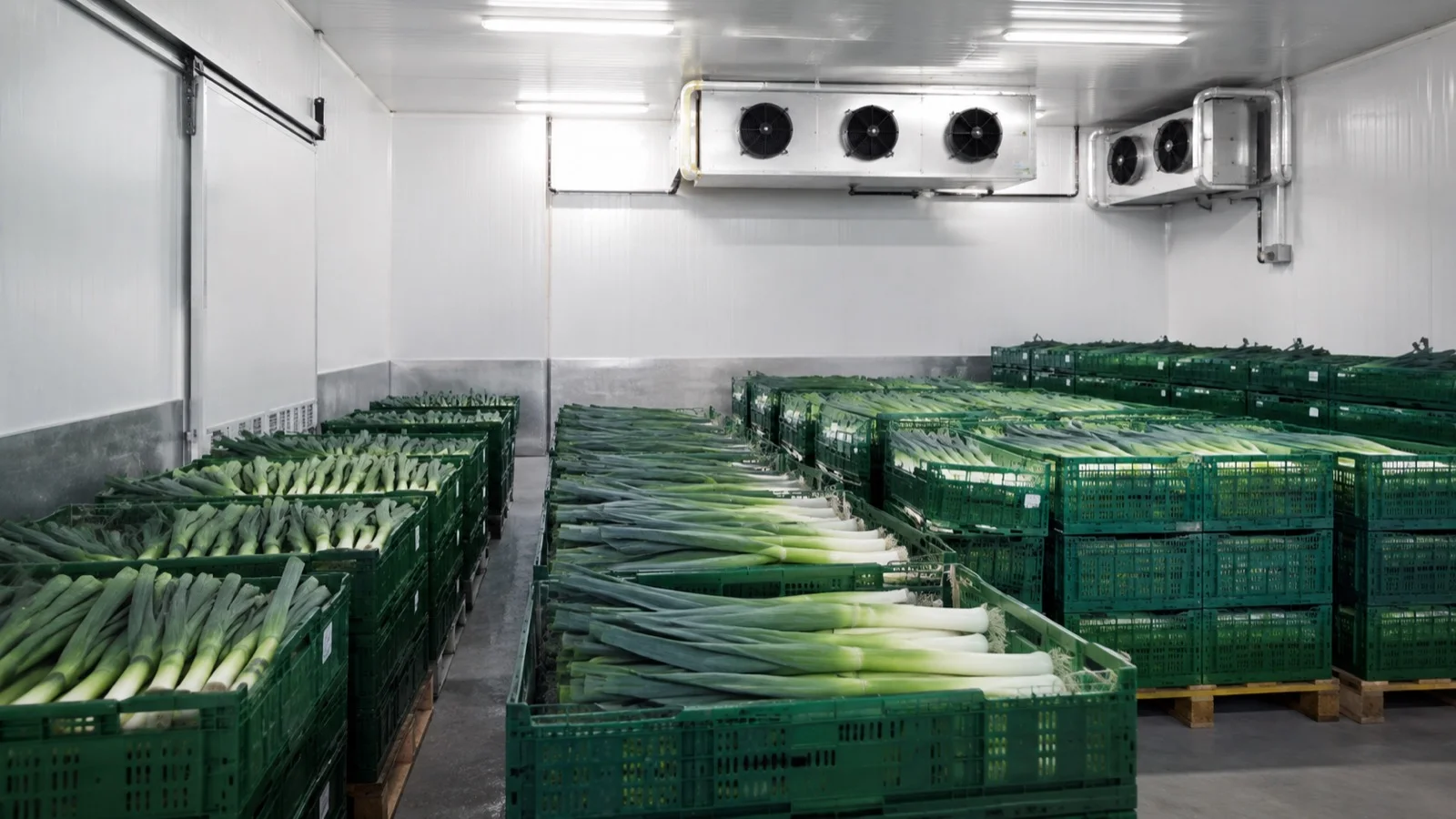
Cider production allows growers to use both premium and second-grade fruit - increasing profitability while reducing waste. With proper storage, cooling, and processing equipment, a farmer can transform surplus apples into a shelf-stable, high-margin product that sells year-round.
Whether your goal is to supply apples for cider producers or launch your own local cider brand, Agrovent can help design reliable storage and climate systems that keep fruit at optimal quality until processing.
Build the Future of Your Orchard with Agrovent
From orchard climate control to post-harvest storage and processing design, Agrovent provides technology that helps farmers protect and grow their business.
📞 Call: +971 50 437 7119
📧 Email: info@agrovent.com



More articles
 Key Factors for Investing in Agriculture
Learn why agriculture is a stable long-term investment. Key benefits, risks, and strategies for choosing profitable agri projects in India, Africa, and the Middle East
News
Key Factors for Investing in Agriculture
Learn why agriculture is a stable long-term investment. Key benefits, risks, and strategies for choosing profitable agri projects in India, Africa, and the Middle East
News
 How Much Investment Is Necessary To Open A Fruit/Vegetables Cold Storage?
Learn how much investment is required to open a fruit and vegetable cold storage facility. Costs, equipment, loans, setup steps, and expert guidance from Agrovent to help you build a profitable long-term cold storage business
News
How Much Investment Is Necessary To Open A Fruit/Vegetables Cold Storage?
Learn how much investment is required to open a fruit and vegetable cold storage facility. Costs, equipment, loans, setup steps, and expert guidance from Agrovent to help you build a profitable long-term cold storage business
News
 How to Extend Potato Shelf Life: 8 Expert Tips for Long-Term Storage
Discover how to store potatoes safely and profitably in warm or variable climates. Learn eight proven methods to prevent spoilage, reduce losses, and extend shelf life - from ventilation and temperature control to CO2 management and modern storage design.
News
How to Extend Potato Shelf Life: 8 Expert Tips for Long-Term Storage
Discover how to store potatoes safely and profitably in warm or variable climates. Learn eight proven methods to prevent spoilage, reduce losses, and extend shelf life - from ventilation and temperature control to CO2 management and modern storage design.
News
 Crop rotation: how crop rotation helps to increase yields and maintain soil fertility
Learn why crop rotation improves soil health, breaks pest cycles, prevents nutrient depletion, and boosts yields. Practical tips for building an effective rotation system
News
Crop rotation: how crop rotation helps to increase yields and maintain soil fertility
Learn why crop rotation improves soil health, breaks pest cycles, prevents nutrient depletion, and boosts yields. Practical tips for building an effective rotation system
News
 Agrovoltaics: The Future of Farming Powered by the Sun
Learn how solar energy and agriculture are merging through agrovoltaic technology. Discover the Insolight “Insolagrin” project - a groundbreaking solar farm that could transform global food and energy production.
News
Agrovoltaics: The Future of Farming Powered by the Sun
Learn how solar energy and agriculture are merging through agrovoltaic technology. Discover the Insolight “Insolagrin” project - a groundbreaking solar farm that could transform global food and energy production.
News
 Potato storage technology
Learn how bulk and container potato storage systems work, how to manage drying, healing, cooling, humidity and CO₂, and how to protect quality long-term
Potato storage technology
Learn how bulk and container potato storage systems work, how to manage drying, healing, cooling, humidity and CO₂, and how to protect quality long-term

Leave your contacts and we will get back to you