Agrovoltaics: The Future of Farming Powered by the Sun
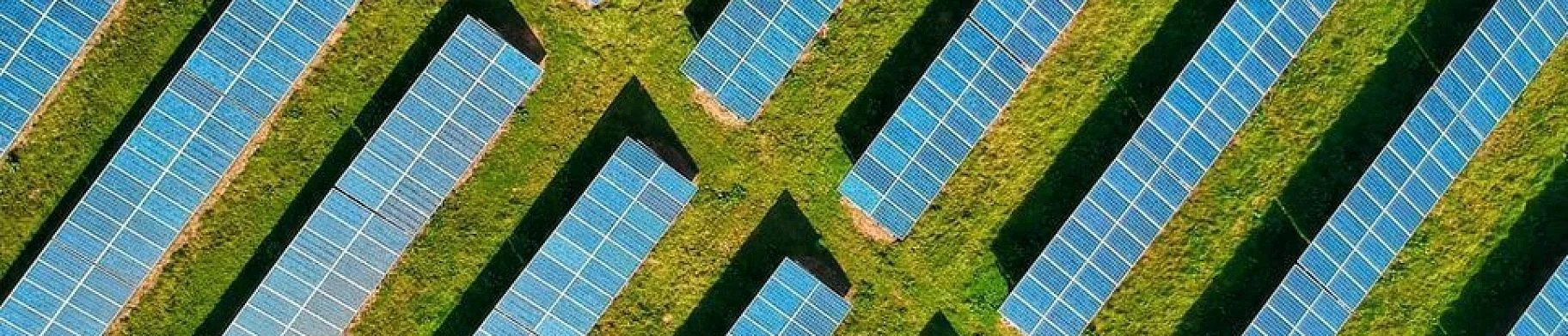
🌱 Agrovoltaics: The Future of Farming Powered by the Sun
A major step forward in the “green world” of renewable energy is taking place — one that could merge agriculture and solar power into a single sustainable system.
Swiss startup Insolight is launching the Insolagrin Solar Project, designed to test a new generation of agroelectric and agrovoltaic technologies that promise to redefine the relationship between farming and clean energy.
☀️ What Is Agrovoltaics?
Agrovoltaics, or agrophotovoltaics, is the dual use of farmland - simultaneously growing crops and generating solar power on the same area.
While the idea dates back to 1981, when Adolf Goetzberger and Armin Zastrow first proposed it, the concept gained serious attention only in the 2010s, as renewable energy and sustainable agriculture became global priorities.
Skeptics once argued that shading from solar panels could reduce crop yields. However, a study published in Nature demonstrated that dedicating just 1% of global farmland to solar generation could meet the entire world’s energy demand - without significantly reducing agricultural productivity.
🌾 The Insolagrin Project
The Insolagrin pilot project aims to measure how solar installations can positively affect crop yields and soil health.
The research, approved by the Swiss Federal Office of Energy, is being conducted by Insolight in collaboration with Agroscope, Switzerland’s leading agricultural research center.
If successful, this technology could lead to the creation of independent green farms - self-sufficient agricultural systems powered entirely by renewable energy. These farms could become the foundation for future “green smart villages.”
🔬 How Insolight Panels Work
What makes Insolight’s photovoltaic system unique is its patented planar optical micro-tracking technology.
Each module contains an optical layer beneath the protective glass that directs concentrated sunlight onto high-efficiency solar cells. A built-in micro-tracking mechanism keeps the cells perfectly aligned with the sun throughout the day.
The panels serve a dual purpose:
-
They generate clean electricity, and
-
They act as adaptive shading, automatically adjusting light transmission to optimize photosynthesis and protect crops during hot periods.
This helps reduce heat stress, evaporation, and fungal disease, while improving overall yield quality.
🍓 Real-World Testing on Berries
In July 2021, Insolight installed its panels over strawberry and raspberry crops at the Agroscope Experimental Center.
The panels replaced traditional plastic tunnels, offering:
-
Better shading and rain protection
-
Reduced temperature fluctuations
-
Lower risk of fungal infections
-
The potential for higher berry yields
The trial is planned to run for four years, with data being used to assess the cost-efficiency and scalability of the solution.
Switzerland’s Energy Vision for 2050
Switzerland’s national goal is to achieve carbon neutrality by 2050. To reach this target, the country must increase solar power capacity by 1.5 GW per year, reaching 30 GW by mid-century - nearly five times the current output.
Agrovoltaics could be a key part of that strategy.
By integrating solar systems with existing farmlands, Switzerland could accelerate the decarbonization process while maintaining agricultural output.
🌍 A New Era for the Global Berry and Energy Sectors
Unlike conventional rooftop panels, Insolight’s next-generation photovoltaic modules are designed as agricultural tools. They dynamically adjust light transmission to protect crops against climate variability, heatwaves, and UV damage - creating a controlled microclimate while producing renewable energy.
“Replacing traditional greenhouse tunnels with smart solar panels opens a path to more efficient farming, energy generation, and climate resilience,”
said Martial Genole, Head of Photovoltaics at Romande Energie.
If large-scale trials confirm expectations, agrovoltaic systems could become the new standard for sustainable agriculture - providing both economic and environmental benefits across the world.
✅ Key Takeaways
-
Agrovoltaics enable dual land use - farming and power generation.
-
Insolight’s technology combines solar tracking, shading control, and climate optimization.
-
Results from the Swiss pilot could transform sustainable farming worldwide.
-
The approach supports the creation of self-sufficient, renewable-powered farms.
Agrovent supports technologies that unite productivity, sustainability, and climate intelligence - from microclimate control to renewable integration. Together, they represent the next step in creating a smarter, greener agriculture.



More articles
 Advanced Potato Storage Technology: Bulk Ventilation, Climate Control & Engineering Specs
Learn how modern bulk potato storage systems maintain optimal temperature, humidity, CO₂ levels, and airflow to protect crop quality. Full engineering parameters, ventilation design, cooling capacity, and monitoring solutions.
News
Advanced Potato Storage Technology: Bulk Ventilation, Climate Control & Engineering Specs
Learn how modern bulk potato storage systems maintain optimal temperature, humidity, CO₂ levels, and airflow to protect crop quality. Full engineering parameters, ventilation design, cooling capacity, and monitoring solutions.
News
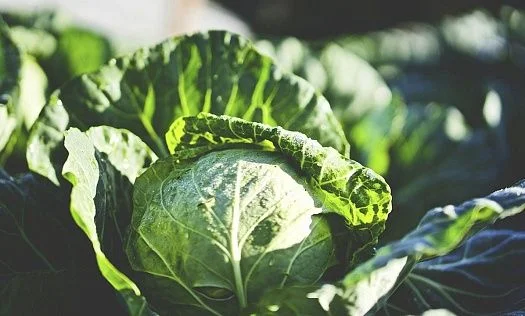 Cabbage. Storage parameters
Discover optimal conditions for long-term cabbage storage: temperature, humidity, and CO₂ standards. Engineered solutions for India, Africa, and Saudi Arabia.
News
Cabbage. Storage parameters
Discover optimal conditions for long-term cabbage storage: temperature, humidity, and CO₂ standards. Engineered solutions for India, Africa, and Saudi Arabia.
News
 HRMN-99: The Heat-Tolerant Apple Variety Transforming Farming in India’s Plains
Discover how HRMN-99, a self-pollinating, heat-tolerant apple variety developed in Himachal Pradesh, is enabling farmers across India’s tropical and subtropical regions to grow apples successfully—even at 40–45°C.
News
HRMN-99: The Heat-Tolerant Apple Variety Transforming Farming in India’s Plains
Discover how HRMN-99, a self-pollinating, heat-tolerant apple variety developed in Himachal Pradesh, is enabling farmers across India’s tropical and subtropical regions to grow apples successfully—even at 40–45°C.
News
 Long-term storage tips for fruits and vegetables
Learn how to extend the shelf life of fruits and vegetables with proper cooling, ethylene management and post-harvest storage technology. Ideal solutions for growers in India, Africa and Saudi Arabia. Contact Agrovent for modern fruit and vegetable storage systems.
Harvest
Long-term storage tips for fruits and vegetables
Learn how to extend the shelf life of fruits and vegetables with proper cooling, ethylene management and post-harvest storage technology. Ideal solutions for growers in India, Africa and Saudi Arabia. Contact Agrovent for modern fruit and vegetable storage systems.
Harvest
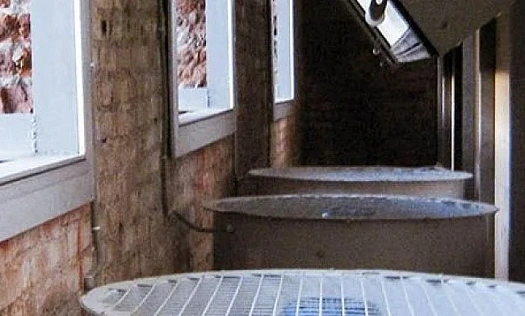 How to Modernize a Potato Cold Storage in India: An Engineering Audit Sequence
A practical sequence for upgrading an existing Indian potato cold store: building envelope, airflow, ventilation, cooling, controls and operating procedures.
News
How to Modernize a Potato Cold Storage in India: An Engineering Audit Sequence
A practical sequence for upgrading an existing Indian potato cold store: building envelope, airflow, ventilation, cooling, controls and operating procedures.
News
 Livestock housing ventilation technologies
Learn how accelerator fans improve heat dissipation, stabilize barn microclimates, and increase milk yield by optimizing airflow for dairy cattle
Livestock housing ventilation technologies
Learn how accelerator fans improve heat dissipation, stabilize barn microclimates, and increase milk yield by optimizing airflow for dairy cattle

Leave your contacts and we will get back to you