How does the ventilation of the vegetable store affect the quality of the potatoes?

During the initial stages of potato storage management, good ventilation is crucial. It is necessary to remove heat, to provide enough oxygen for the wound healing process and to help dry moist tubers. After the healing period is over, ventilation is used to maintain the correct temperature in the storage room and to remove accumulated carbon dioxide.
Proper wound healing is vital for preserving the quality of the stored crop. This process requires oxygen and therefore good air circulation. No matter how carefully you harvest and process the crop, some damage to the tubers is still unavoidable. Any tearing of the skin or "periderm" of the potato is a potential entry point for pathogens and can also increase the loss of moisture from stored tubers.
Recommended conditions for wound healing include temperatures of 10-12°C, high relative humidity and a high oxygen supply. Temperatures above this range will often cause the rot-causing pathogens (especially bacterial soft rot) to completely inhibit the healing process. High relative humidity prevents undamaged cells on the damaged areas (which are the basis of the new protective barrier) from drying out and promotes proper healing. But it must be kept in mind that there are other factors - such as certain potato diseases - that require lower relative humidity or other special storage management methods.
A recent study conducted at the University of Idaho examined the effect of drying time or air exposure on the viability of four major storage pathogens. The tubers were inoculated with pathogens causing phytophthora, soft rot, silver scab or dry rot. After just 60 minutes of exposure to air, the viability of the soft rot microorganisms on the tuber surface was reduced by 90%, and after just 2 hours the pathogen viability was 0%. After 6 hours, the viability of the late blight pathogen was reduced by 88%.
In contrast, exposure to air had no effect on the viability of the silver scab and dry rot pathogens (up to 12 hours). This experiment underlines the importance of air circulation, and therefore good ventilation, in reducing the inoculum load of some pathogens on the tuber surface. Air circulation is also essential for drying already infected or diseased potatoes.
Adequate ventilation will also help to remove excess liquid from tubers affected by rot.
If air circulation in the mound is restricted, low-oxygen points or anaerobic conditions may occur. In areas where the vegetables are deprived of oxygen, blackening of the internal tissues of the potato tubers can occur. Obviously, this will greatly reduce the consumer appeal of the potatoes for future sale.
Another negative effect of anaerobic conditions is that they create a favourable environment for the spread of bacterial organisms. These organisms thrive in these conditions, creating the potential for serious wet rot and decay.
A supply of fresh air is needed every day to reduce the increased levels of carbon dioxide accumulating in the mound. As potatoes breathe, they absorb oxygen and release carbon dioxide. If the carbon dioxide level becomes too high (above 1 %), the quality of the tubers can be negatively affected, e.g. increased content of reducing sugars, darker colour of the potatoes, unpleasant taste or even the formation of mildew.
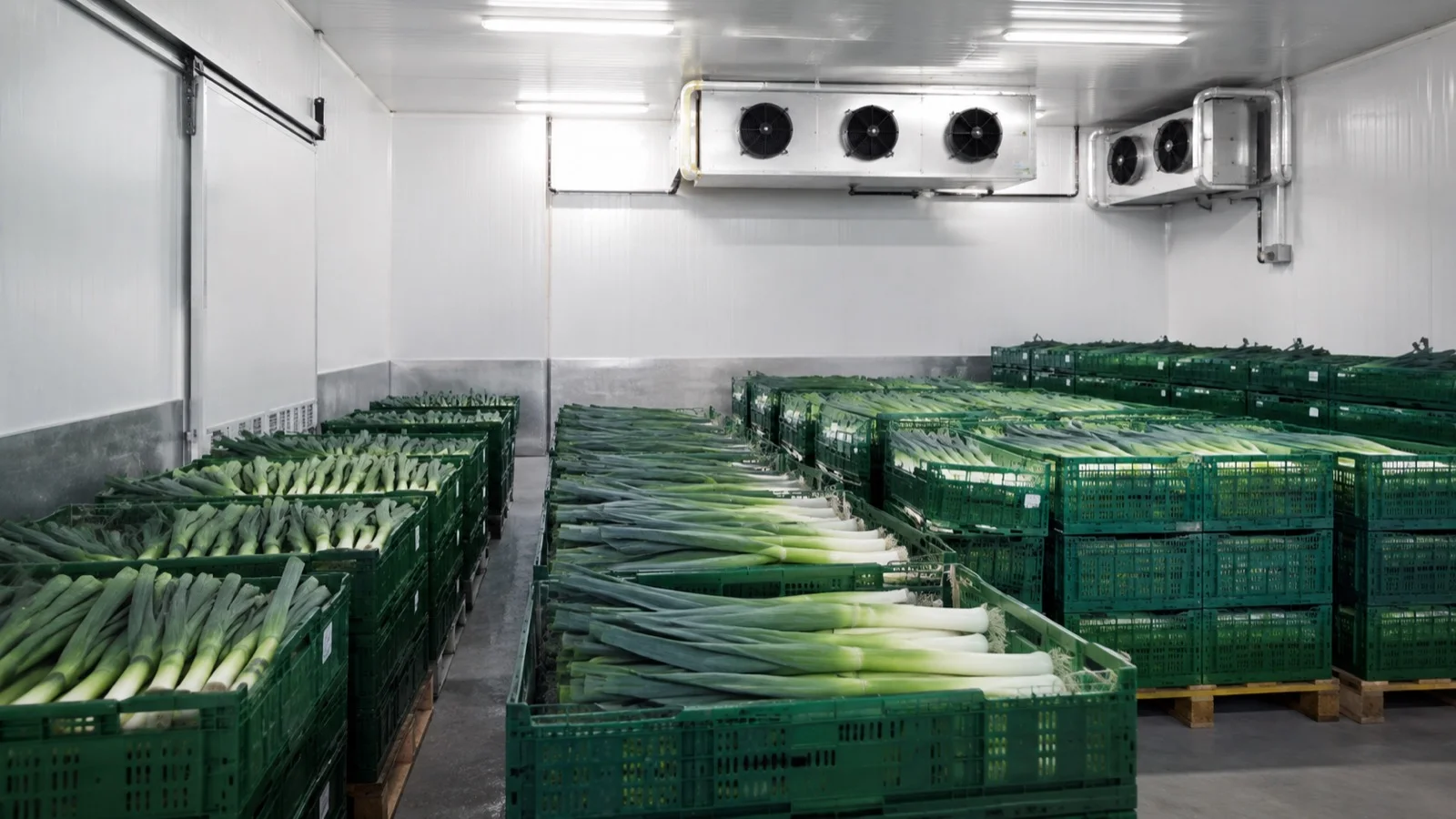
So we have described the obvious advantages of a well ventilated storage room. A proper ventilation system is a prerequisite for getting the most out of your vegetable storage facility.
Need a vegetable storage facility or ventilation system for your storage facility? Call +971504377119, email info@agrovent.com . Or contact our specialist via messenger using the form in the bottom right hand corner of the screen.



More articles
 9 unusual products of the future
What will the food of the future be like?
News
9 unusual products of the future
What will the food of the future be like?
News
 Smallholder farmers on the road to sustainable agriculture
What steps smallholder farmers are taking to adapt agriculture to climate changes and what should they learn from them?
News
Smallholder farmers on the road to sustainable agriculture
What steps smallholder farmers are taking to adapt agriculture to climate changes and what should they learn from them?
News
 Agrovent opening a front office in the Republic of Kazakhstan
Explore new opportunities with our presence in Kokshetau, Kazakhstan.
News
Agrovent opening a front office in the Republic of Kazakhstan
Explore new opportunities with our presence in Kokshetau, Kazakhstan.
News
 Long-term storage tips for fruits and vegetables
Learn how to extend the shelf life of fruits and vegetables with proper cooling, ethylene management and post-harvest storage technology. Ideal solutions for growers in India, Africa and Saudi Arabia. Contact Agrovent for modern fruit and vegetable storage systems.
News
Long-term storage tips for fruits and vegetables
Learn how to extend the shelf life of fruits and vegetables with proper cooling, ethylene management and post-harvest storage technology. Ideal solutions for growers in India, Africa and Saudi Arabia. Contact Agrovent for modern fruit and vegetable storage systems.
News
 Why Onion Drying Determines Storage Success: Best Practices for Tropical & Temperate Climates
Proper onion drying is the most critical step before storage. Learn why inadequate drying leads to bacterial rot, neck rot, and 20–80% storage losses, and discover the best drying methods for temperate and tropical climates.
News
Why Onion Drying Determines Storage Success: Best Practices for Tropical & Temperate Climates
Proper onion drying is the most critical step before storage. Learn why inadequate drying leads to bacterial rot, neck rot, and 20–80% storage losses, and discover the best drying methods for temperate and tropical climates.
News
 Technologies and methods for storing Jerusalem artichoke tubers
Learn the best technologies for storing Jerusalem artichoke (sunchoke) in hot climates. Long-term storage methods, cooling solutions, humidity control and expert guidance for India, Africa and Saudi Arabia. Contact Agrovent for professional vegetable storage systems.
Technologies and methods for storing Jerusalem artichoke tubers
Learn the best technologies for storing Jerusalem artichoke (sunchoke) in hot climates. Long-term storage methods, cooling solutions, humidity control and expert guidance for India, Africa and Saudi Arabia. Contact Agrovent for professional vegetable storage systems.

Leave your contacts and we will get back to you