

The AGR tunnel exhaust fan is used in poultry houses when the building needs high air exchange and strong longitudinal airflow during hot periods.
For agricultural climate systems, the important question is not only whether air moves through the building. The real question is whether air moves through the right path, at the right speed, with the right mixing pattern and without creating stress for animals or stored products.
Where this equipment fits in the system
AGR Tunnel Exhaust Fan for Poultry Houses is not a standalone purchase decision. It is part of a complete ventilation concept that includes building tightness, fan stages, inlet area, static pressure, temperature targets, humidity management, emergency modes and operator routines.
Agrovent evaluates these components as part of the whole climate system. The same product can behave differently in a broiler house, breeder house, pig farm, dairy barn or reconstructed building because air movement depends on geometry and operating logic.
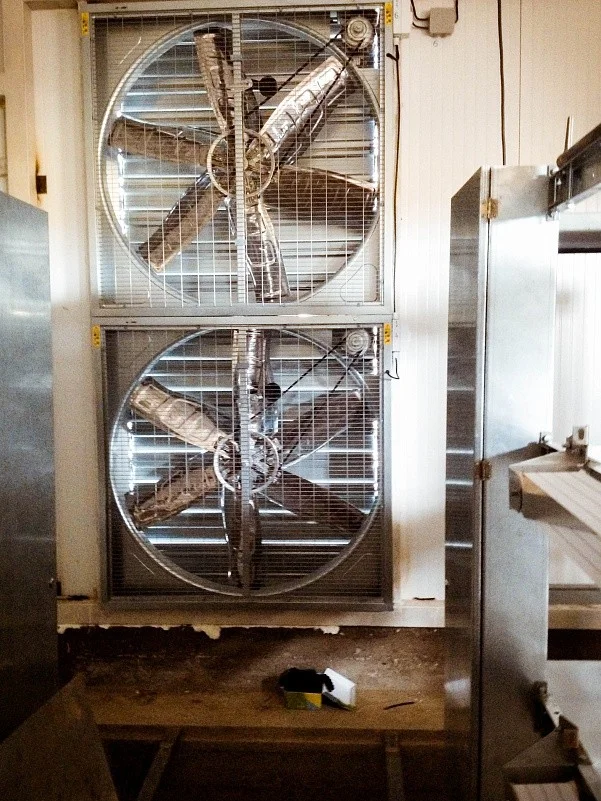
The component helps the ventilation system move air according to the design intent, not through random leakage or local openings.
Stable air entry or exhaust reduces dead zones, drafts and differences between sections of the building.
The product can be considered as part of a staged climate-control system together with sensors, actuators and controllers.
Selection should be based on building geometry, animal age, stocking density, climate zone, fan stages and pressure strategy.
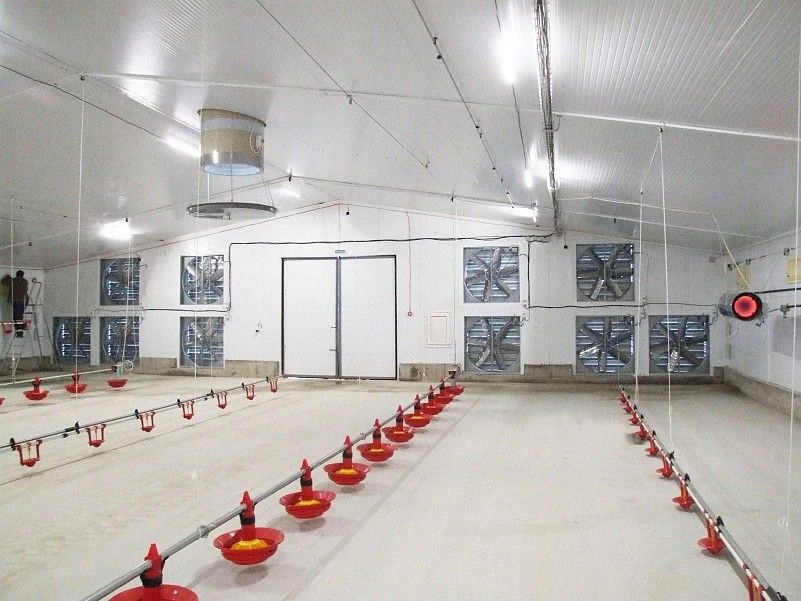
Typical applications
The fan bank forms the exhaust end of the tunnel ventilation system. Its layout should be considered together with the inlet and cooling arrangement, the building cross-section and the required operating stages.
- broiler houses in hot climates
- layer and breeder houses
- tunnel ventilation systems
- evaporative cooling layouts
- heat-stress reduction projects
Engineering considerations
Correct sizing starts with the production task. A ventilation system for minimum winter air exchange has different priorities than a summer tunnel system. Inlet throw, pressure stability, air speed, noise, cleaning access and energy consumption must be evaluated together.
For international projects, Agrovent also considers climate extremes, power quality, maintenance culture, dust load, bird or animal age, stocking density and the practical skill level of the operating team.
| Parameter | Engineering note |
|---|---|
| Function | High-capacity exhaust ventilation |
| Operating mode | Tunnel ventilation and summer ventilation stages |
| Design focus | Air speed, pressure, energy use and uniformity |
| System links | Pads, tunnel doors, controllers and emergency ventilation |
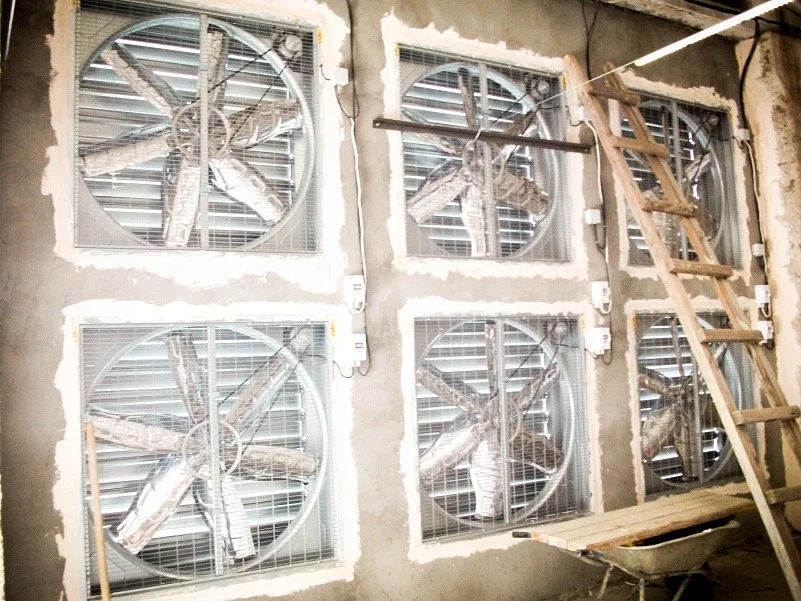
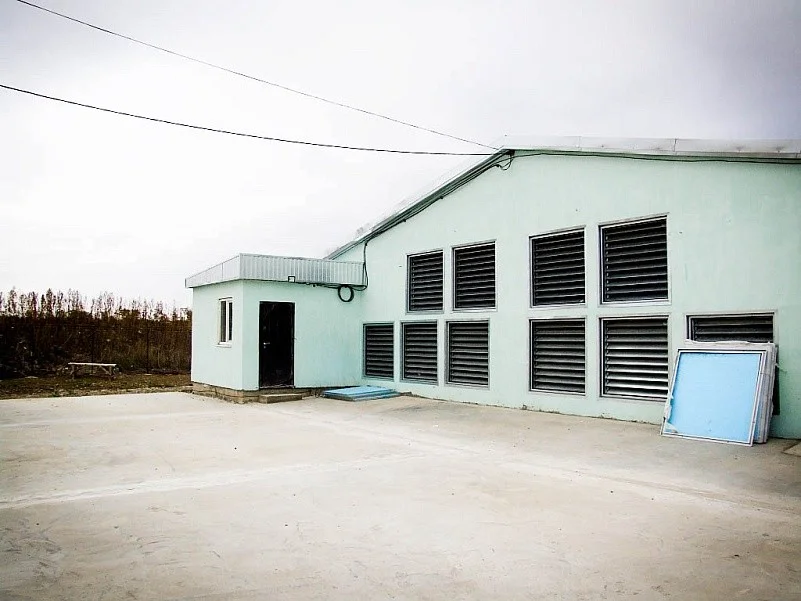
How Agrovent uses it in projects
The product is selected after the ventilation concept is defined. In practice, this means balancing animal comfort, air quality, heat removal, humidity control, equipment reliability and energy cost rather than optimizing one component in isolation.
When needed, the same project can connect this equipment with Agrovent climate controllers, sensors, electrical cabinets and the Agilias digital layer for operational visibility and future diagnostics.
Discuss your building
Send the building dimensions, production type, climate zone and the main operational problem.
Discuss a ventilation project
