


External Protection for Ventilation Openings
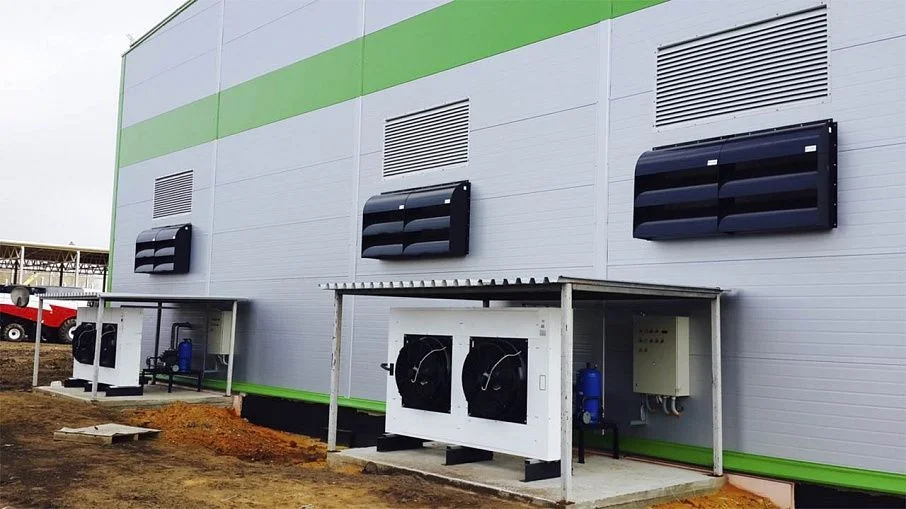
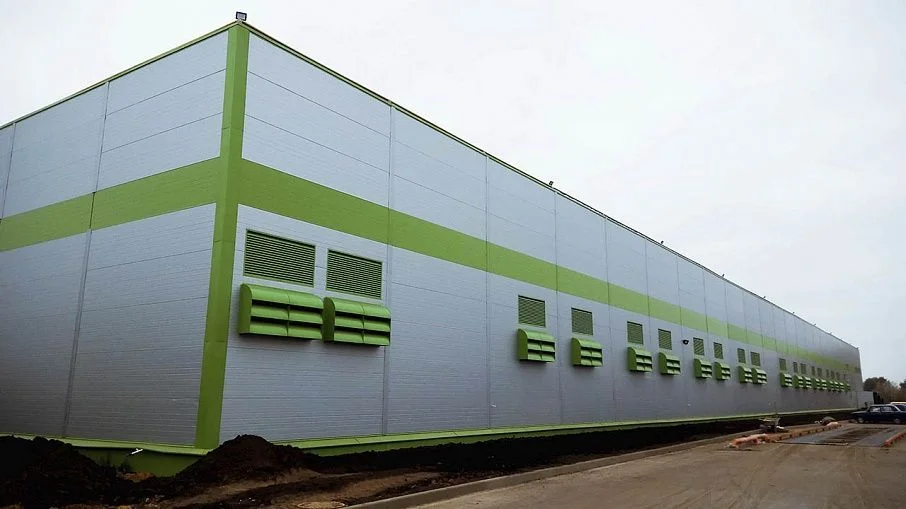
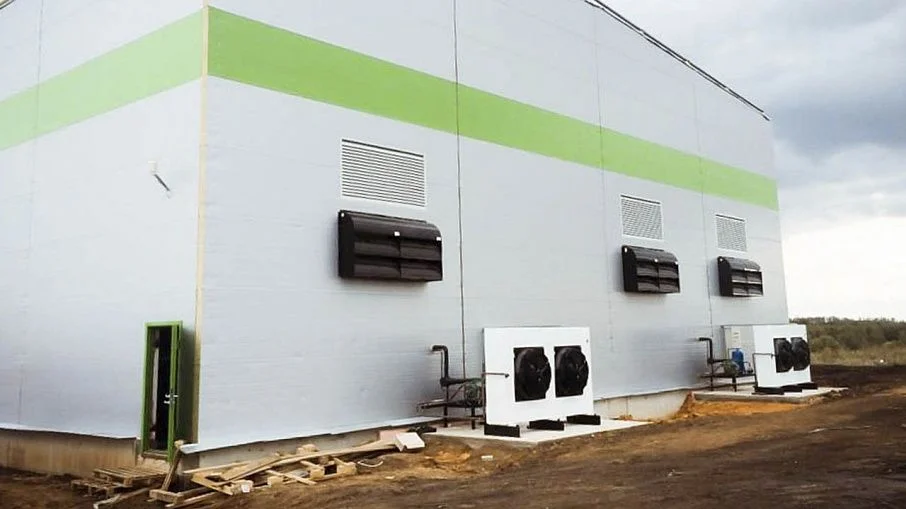
Weather protection hoods are installed on the outside of vegetable storage buildings over intake and exhaust openings. Their purpose is to protect valves and air paths from wind pressure, precipitation, animals and direct daylight while preserving the required airflow path.
The hood is a simple external element, but it affects the reliability of the whole ventilation system. A poorly protected opening can admit water, snow, debris, birds or insects; it can also be exposed to strong headwind that interferes with valve operation.
Why the Hood Matters
Storage ventilation openings often operate in difficult outdoor conditions. Wind can push against exhaust paths, rain and snow can enter open valve zones, and sunlight can reach crop rooms through external openings. For potato storage in particular, uncontrolled light exposure is undesirable because it can affect tuber quality.
A correctly sized protective hood shields the valve area while allowing air to pass through the designed opening. This keeps the exterior interface of the ventilation system more stable and easier to maintain.
Construction
- Galvanized steel body: provides a durable shell for outdoor installation.
- Black external finish: reduces glare and helps block light penetration near the storage wall.
- Weather shielding: protects valve openings from rain, snow and direct wind impact.
- Biological protection: limits access for birds and small animals around ventilation openings.
Typical Applications
Design Notes
Hood dimensions should be selected together with the valve size and required airflow. The hood must protect the opening without creating unnecessary pressure losses or restricting service access. In climates with snow accumulation or strong wind, the exterior layout around the opening becomes especially important.
For new storage buildings, hoods should be included in the ventilation design from the beginning. For existing facilities, they can often be added when external openings show signs of water ingress, wind-related instability or unwanted light penetration.
Discuss the equipment and installation requirements with Agrovent.
Discuss your project
