Agrovent sensors

Temperature sensors play a critical role in maintaining the stability and efficiency of cold storage systems. In storage chambers, they ensure precise monitoring of air temperature, helping to regulate respiration, slow metabolism, and prevent spoilage of vegetables such as potatoes, onions, and carrots. In air preparation chambers, sensors maintain stable climate conditions, directly influencing shelf life, product quality, and controlled atmosphere parameters. With high accuracy, fast response, and durable protection, these sensors integrate seamlessly with modern automation systems. Choosing reliable, well-calibrated sensors from trusted manufacturers guarantees consistent performance and long-term preservation of fresh produce.

Temperature Sensors in Cold Storage Facilities

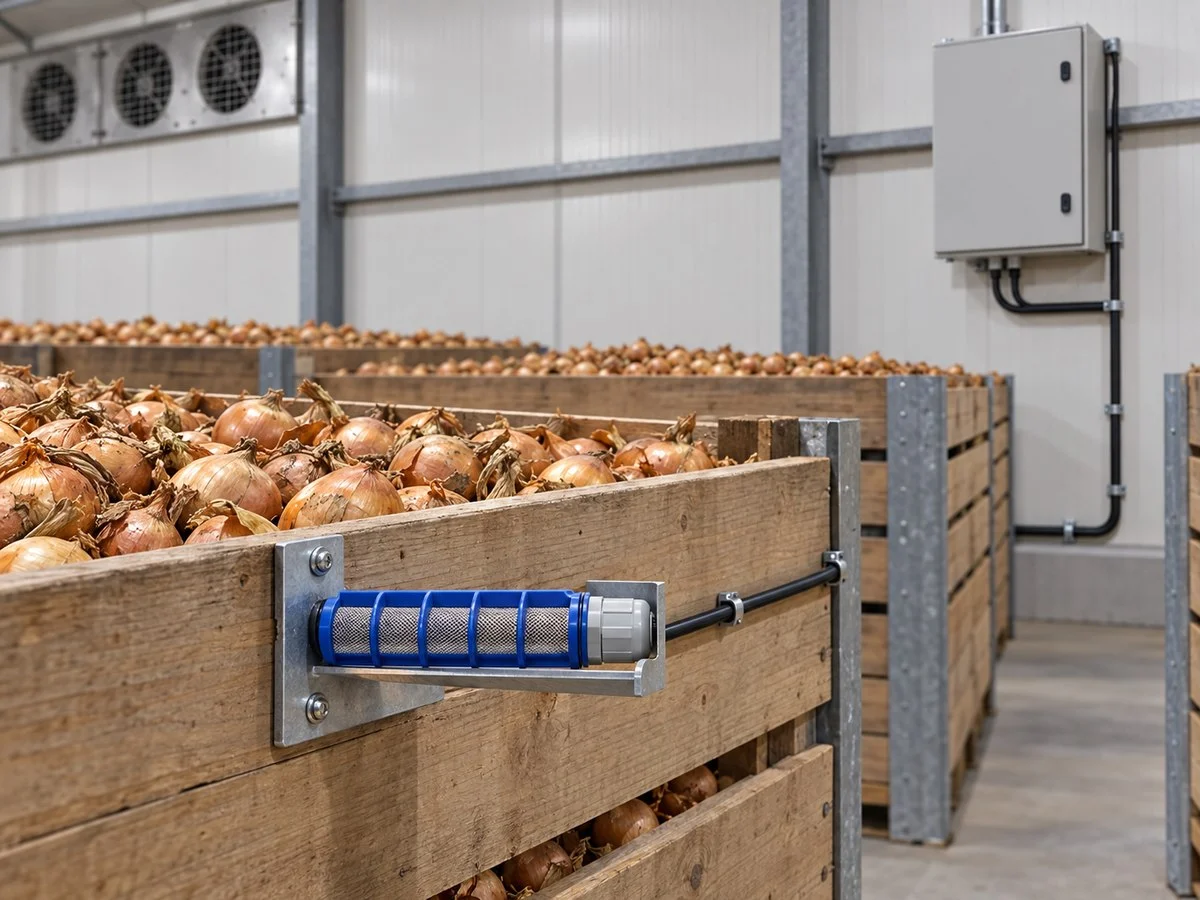
Purpose of the Storage Chamber Temperature Sensor

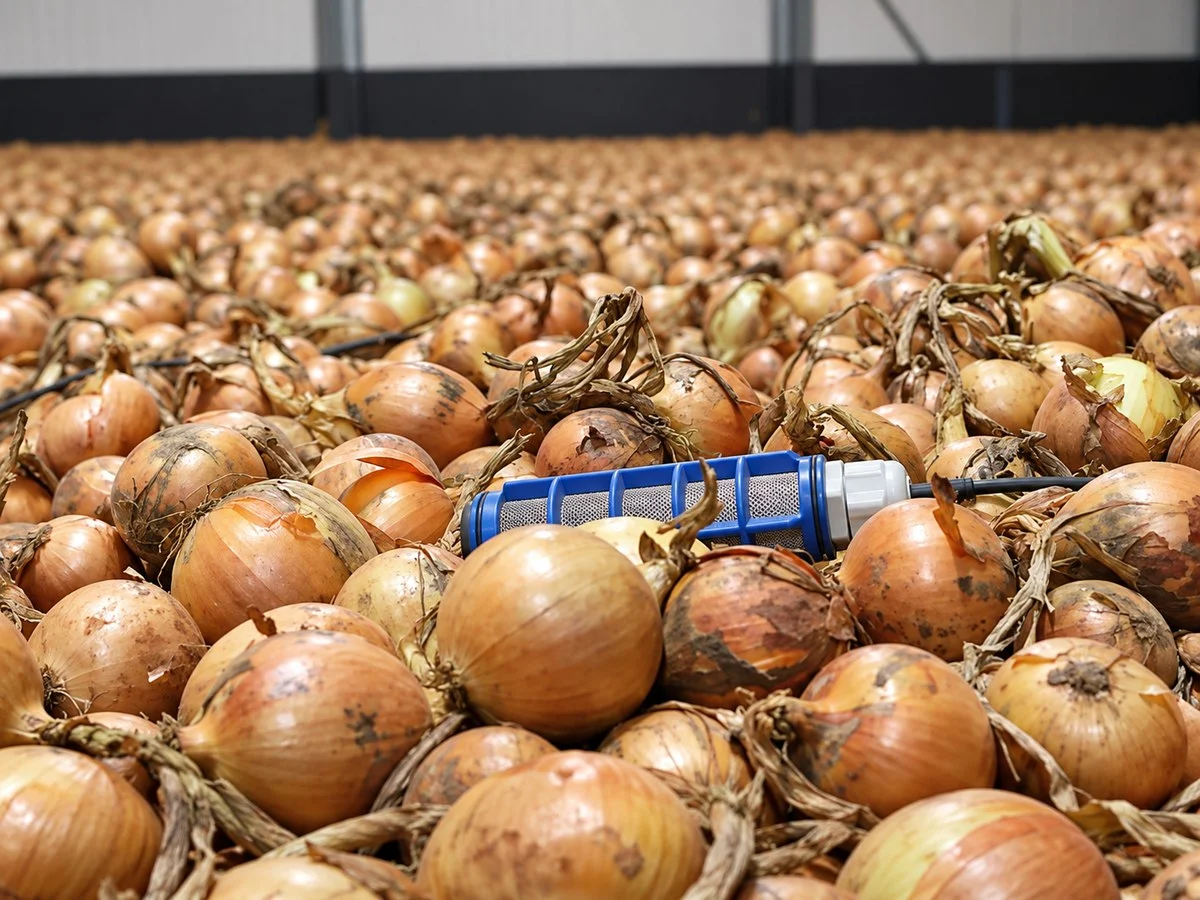
  1. Monitoring air temperature between the top of the crop pile and the ceiling: In Oxample technology, precise temperature measurement is critical for regulating vegetable respiration and slowing down metabolism (e.g., potatoes, onions, carrots, cabbage, garlic, red beets).
  2. Maintaining an optimal microclimate: Works in coordination with air coolers, ventilation systems, supply and exhaust dampers, and climate control systems. Keeps the set temperature within ±0.5 °C, preventing overheating or overcooling of produce.
  3. Regulating ventilation and cooling: Sensor signals control fan performance and air cooler capacity.
  4. Safety and spoilage prevention: Timely detection of temperature deviations prevents disease, rot, and loss of market quality. In automation systems, emergency alerts can be triggered when limits are exceeded.

Key Technical Parameters

Sensors typically measure temperatures in the range of –50…+50 °C, and for potatoes and onions within 0…+30 °C, with an accuracy of ±0.001 °C. Platinum resistance sensors are most common, while type K or T thermocouples are used in harsher environments.

Response time is up to 1 second. Sensors are moisture- and dust-protected (IP65–IP68) and feature housings made of stainless steel or durable food-safe plastic.

They can be installed as suspended (air monitoring) or surface-mounted (wall and shelf control). For integration with climate control and Oxample systems, interfaces include 4–20 mA, 0–10 V, or Modbus RTU/TCP.

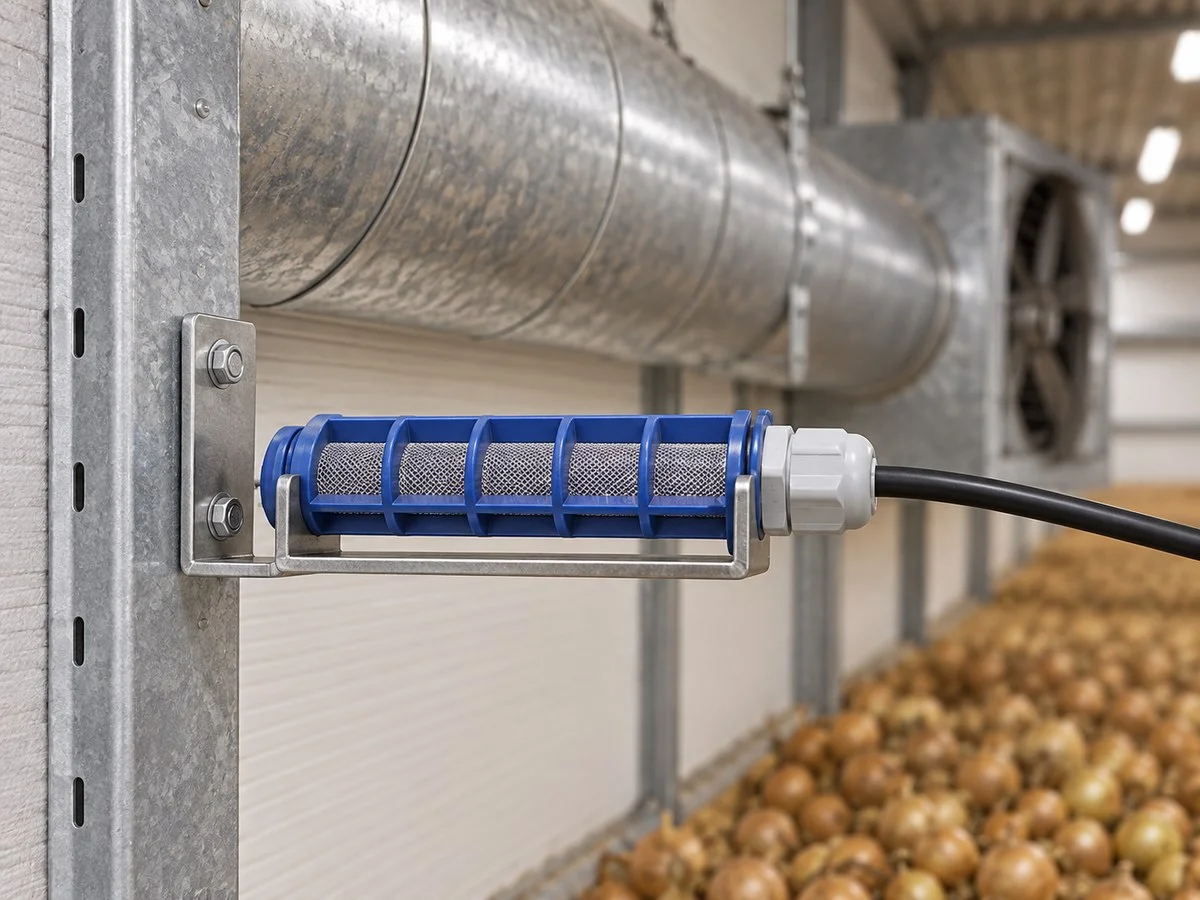
Purpose of the Air Preparation Chamber Temperature Sensor

The main function of this sensor is to monitor and maintain a stable temperature regime in the air preparation chamber. This is critical for:

  • Maintaining optimal storage temperature: Storage life strongly depends on air temperature. Lower temperatures extend shelf life while preserving taste and quality.
  • Controlling respiration intensity of vegetables: Respiration depends on temperature, directly influencing product preservation and quality.
  • Regulating O₂ and CO₂ concentration in Oxample technology: Air temperature affects gas exchange rates, helping to maintain controlled atmosphere conditions, halt starch-to-sugar conversion in potatoes, and slow the growth of fungi, bacteria, and viruses.

Key Technical Parameters

  • Temperature range: −70 to +100 °C, enabling simulation of different climate conditions.
  • Measurement accuracy: ±0.001 °C for high-precision monitoring.
  • Response time: ≤ 1 second, allowing fast reaction to changes.
  • Communication interfaces: RS-485, Modbus, Wi-Fi, or LoRa for integration with automation systems.
  • Durability: Resistant to moisture, dust, and chemicals — essential for cold storage environments.

Selection Guidelines

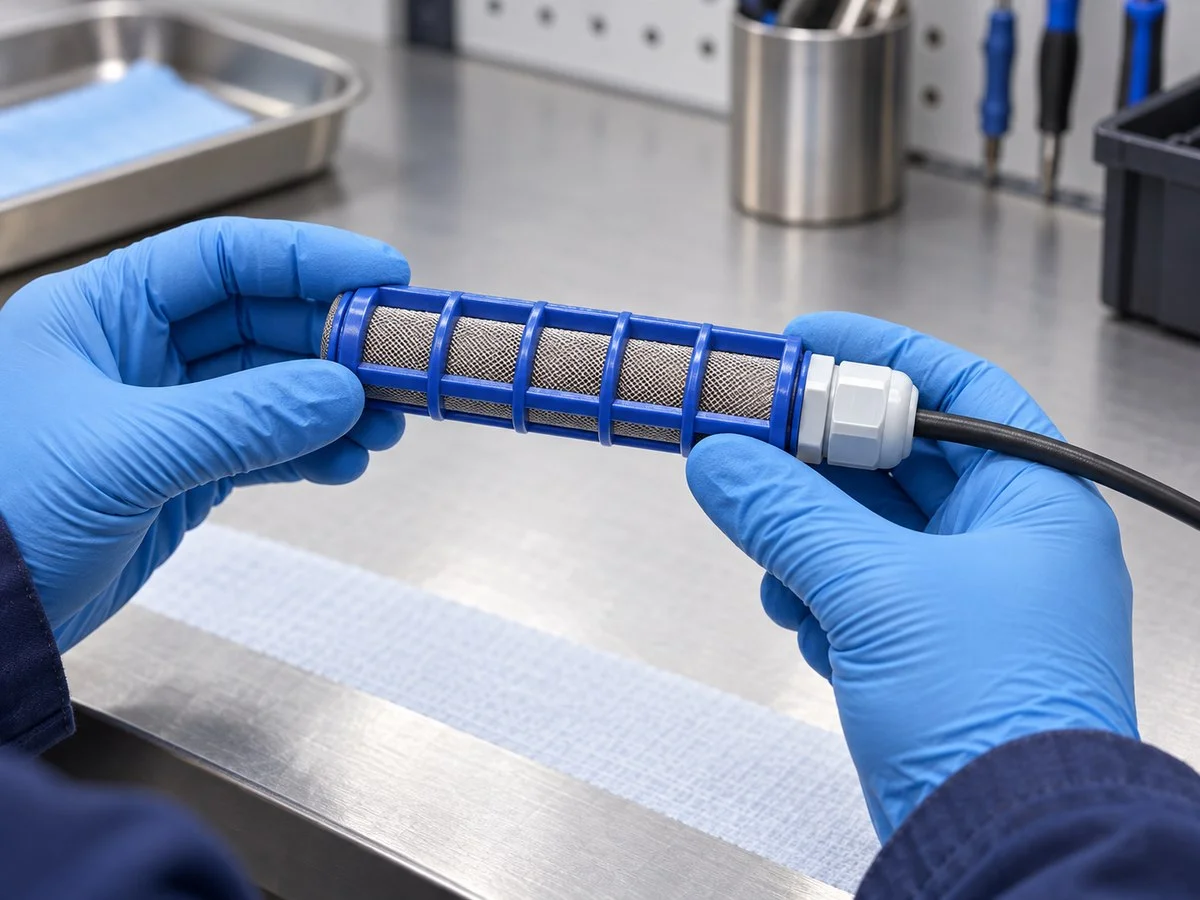
  • Calibration: Must include a calibration certificate to ensure measurement accuracy.
  • Compatibility: Support for required communication protocols to integrate into existing systems.
  • Reliability: High protection class (e.g., IP65) for operation in high-humidity and contaminated environments.
  • Manufacturer: Prefer established producers with proven expertise in agriculture and food storage.
Any questions? We are always in touch!

Leave your contacts and we will get back to you

img: test 123