Potato storage technology

From bulk storage to advanced container systems like Aspiration and EveryAir, proper potato storage begins with the right technology and microclimate control. Here’s how each stage - drying, healing, cooling and holding - protects quality and prevents losses.
Modern Potato Storage Technologies and the Microclimate Behind Them
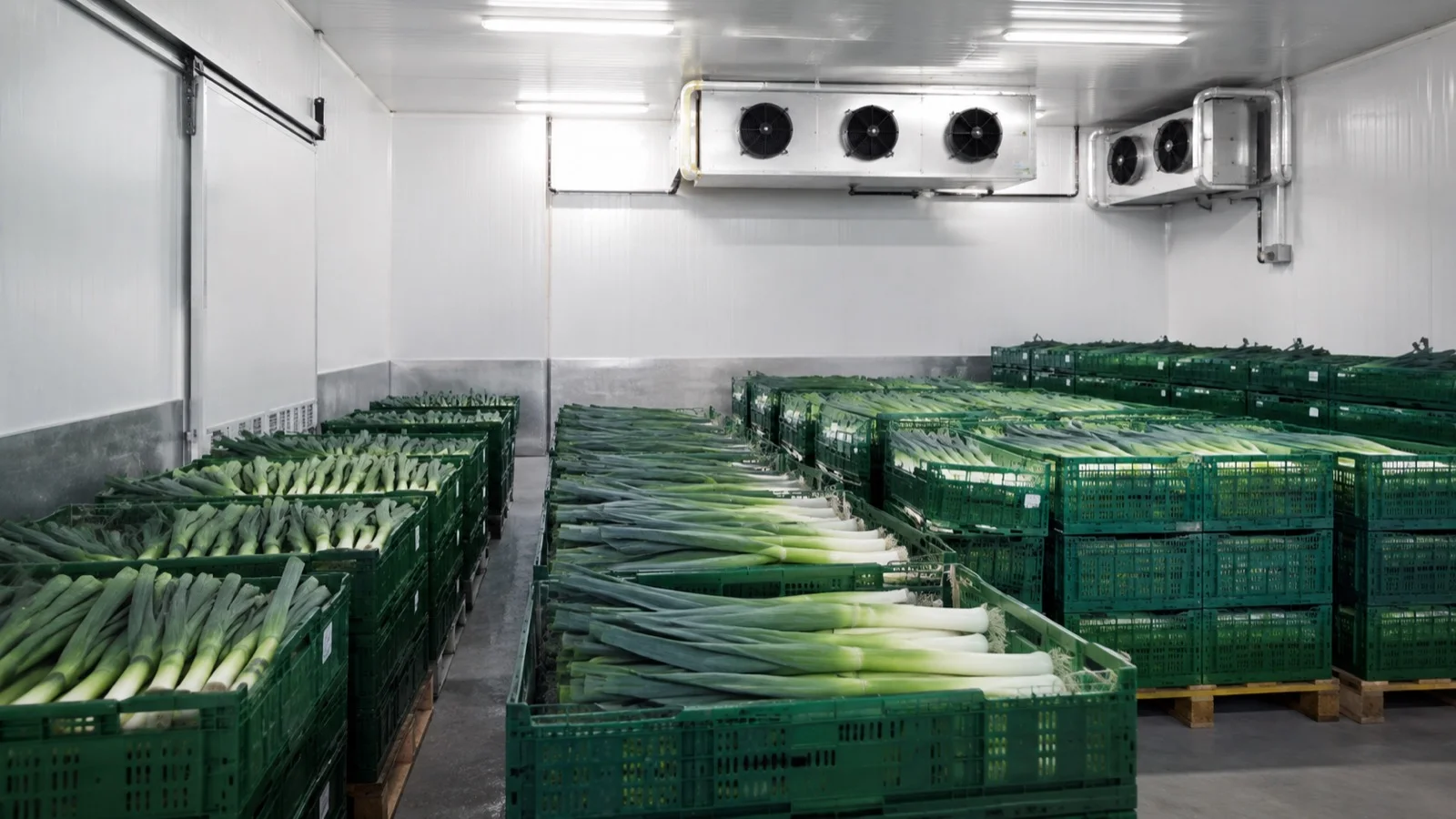
There are several ways to store potatoes today - bulk storage, container storage with Aspiration System technology, container storage using EveryAir, and others described on the Agrovent website. The right choice depends on the type of building, harvest condition at intake, available equipment, and the financial capacity of the operation.
Regardless of the technology, one thing never changes: storage success depends on maintaining a stable, correctly controlled microclimate.
Temperature, humidity, airflow, and CO₂ removal must all be automated - no manual “luck-based” management can maintain stable conditions around the clock.
Potato Storage Stages
All potato storage technologies follow several key stages, each requiring its own temperature and humidity parameters:
-
Therapeutic period
-
Drying
-
Healing (curing)
-
Cooling
-
Holding & pre-delivery warming
Why Proper Healing Matters
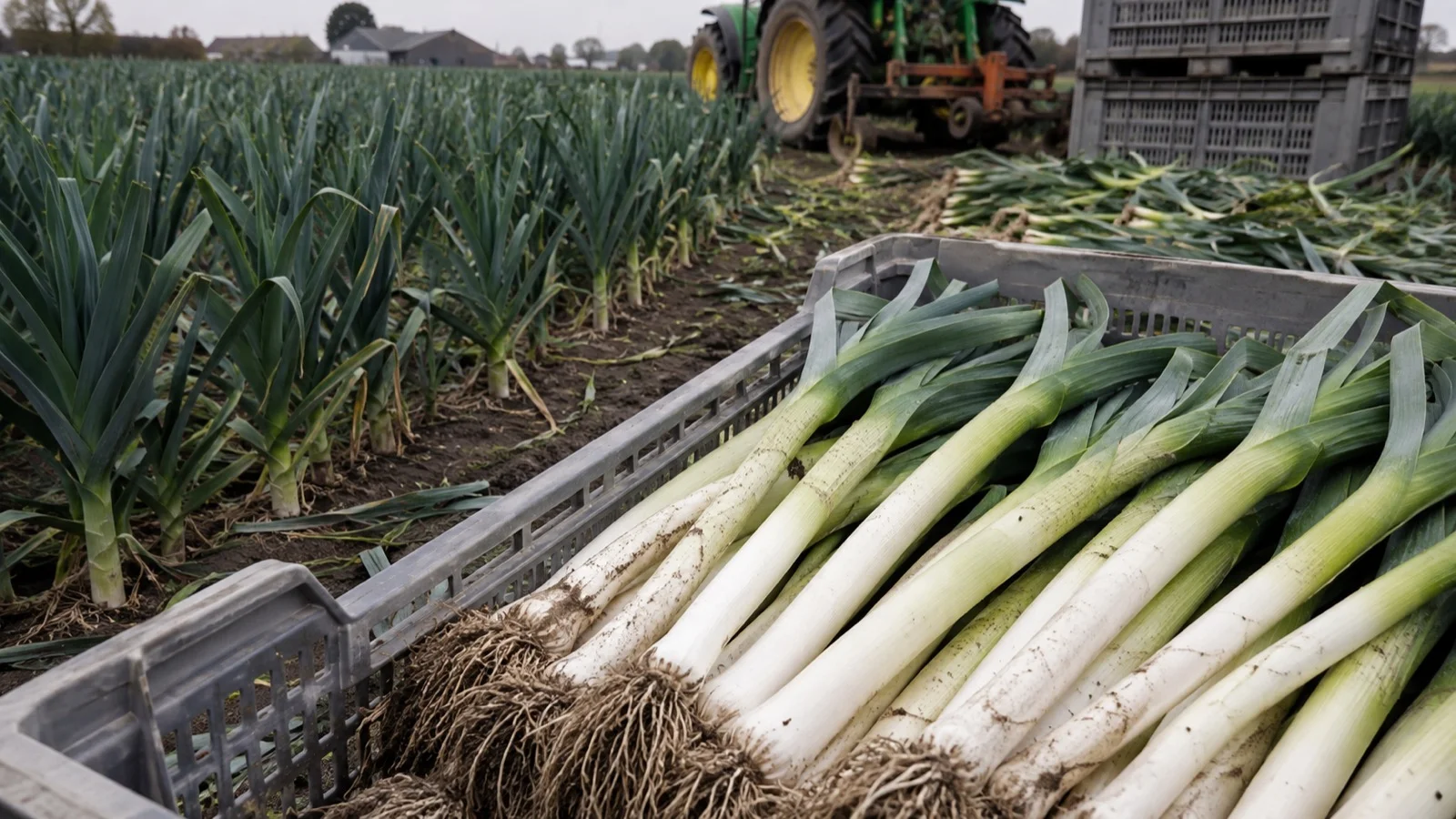
Harvesting equipment always causes some level of mechanical damage - abrasions, cuts, and partial skin removal. Each injury becomes a doorway for pathogens such as dry rot, wet rot, or bacterial soft rot. Damaged periderm also increases moisture loss.
Healing (curing) allows the tuber to form a new protective layer.
Typical safe parameters:
-
Temperature: ~15°C
-
Relative humidity: 90–95%
-
Duration: 8–10 days
-
Ventilation: continuous, with airflow sufficient to remove moisture
However, these conditions are only suitable for mildly damaged tubers.
A crop with bacterial contamination or severe mechanical injuries must not be held at high humidity and high temperature - this accelerates the spread of disease.
The Role of Drying
Tubers must be completely dry before cooling and long-term storage.
Wet surfaces significantly increase the risk of bacterial and fungal spread — especially above +20°C.
Drying requirements:
-
Harvest from dry soil whenever possible
-
If wet, dry tubers immediately after loading
-
Maintain steady ventilation without over-drying the crop
-
Avoid condensation — it is the fastest trigger of soft rot outbreaks
Remember:
High humidity = good.
Moisture or condensation on the tuber = dangerous.
This is why Agrovent recommends using precision humidity sensors and automated microclimate controls. Even small errors in RH management can lead to severe losses.
Cooling: A Critical Phase
After healing, potatoes must be cooled carefully and gradually. Sharp temperature drops lead to condensation, stress, and increased respiration.
Cooling rules:
-
Reduce temperature slowly
-
Lower by ~1–2°C every few days
-
Maintain stable airflow across the entire mound
-
Avoid fluctuations or “cold pockets”
Typical storage temperatures:
| Potato Use Case | Temperature |
|---|---|
| Seed potatoes | 3–5°C |
| Table potatoes | 3–5°C |
| French fries | 5–8°C |
| Chips / crisps | 7–11°C |
Proper cooling reduces respiration, shrinkage, and sprouting - the three main causes of economic loss.
Why Automated Microclimate Control Is Essential
Modern potato storage relies on systems that automatically regulate:
-
Temperature
-
Relative humidity
-
CO₂ concentration
-
Airflow and pressure
-
Cooling / heating cycles
-
Drying and ventilation demands
Automated systems prevent sudden changes, eliminate human error, and adapt to crop condition in real time — making them indispensable for long-term storage.
Storage Facility Requirements
A technologically equipped potato storage facility must allow:
-
Efficient intake of the crop
-
Thorough pre-season disinfection
-
Full automation of loading and unloading
-
Proper airflow distribution
-
Simple maintenance and easy cleaning
A well-designed building is as important as the microclimate equipment itself.
Need a high-performance potato storage facility?
📞 +971 50 437 7119
📧 info@agrovent.com
Or contact our specialist via the messenger icon on the website.



More articles
 Green revolution saves lives
Discover how the Green Revolution increased food production, reduced hunger and lowered infant mortality in developing countries — and why a new Green Revolution is essential for India, Africa and global food security by 2050.
News
Green revolution saves lives
Discover how the Green Revolution increased food production, reduced hunger and lowered infant mortality in developing countries — and why a new Green Revolution is essential for India, Africa and global food security by 2050.
News
 How does the ventilation of the vegetable store affect the quality of the potatoes?
Learn how proper ventilation improves wound healing, prevents rot, stabilizes CO₂ levels, and protects potato quality in long-term storage facilities
News
How does the ventilation of the vegetable store affect the quality of the potatoes?
Learn how proper ventilation improves wound healing, prevents rot, stabilizes CO₂ levels, and protects potato quality in long-term storage facilities
News
 Airflow resistance of sugar beets
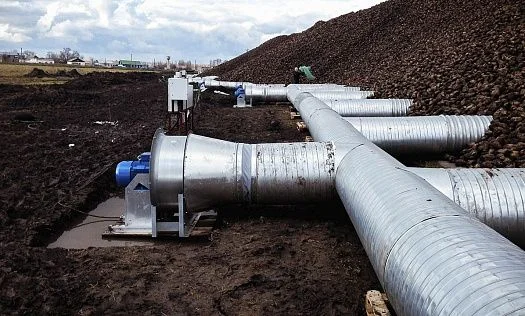
Learn how root size, debris, airflow direction, and packing density impact airflow resistance in sugar beet piles. Use data-driven design to size fans, avoid hot spots, and reduce sugar losses during 100–120 days of storage.
News
Airflow resistance of sugar beets
Learn how root size, debris, airflow direction, and packing density impact airflow resistance in sugar beet piles. Use data-driven design to size fans, avoid hot spots, and reduce sugar losses during 100–120 days of storage.
News
 How to Extend Potato Shelf Life: 8 Expert Tips for Long-Term Storage
Discover how to store potatoes safely and profitably in warm or variable climates. Learn eight proven methods to prevent spoilage, reduce losses, and extend shelf life - from ventilation and temperature control to CO2 management and modern storage design.
News
How to Extend Potato Shelf Life: 8 Expert Tips for Long-Term Storage
Discover how to store potatoes safely and profitably in warm or variable climates. Learn eight proven methods to prevent spoilage, reduce losses, and extend shelf life - from ventilation and temperature control to CO2 management and modern storage design.
News
 How to reduce post-harvest losses most effectively and quickly?
Discover sustainable cold storage and mobile berry cooling solutions that cut food loss, reduce CO₂ emissions, and protect harvests in hot climates.
News
How to reduce post-harvest losses most effectively and quickly?
Discover sustainable cold storage and mobile berry cooling solutions that cut food loss, reduce CO₂ emissions, and protect harvests in hot climates.
News
 What is permaculture?
Basic principles and history of permaculture
What is permaculture?
Basic principles and history of permaculture

Leave your contacts and we will get back to you